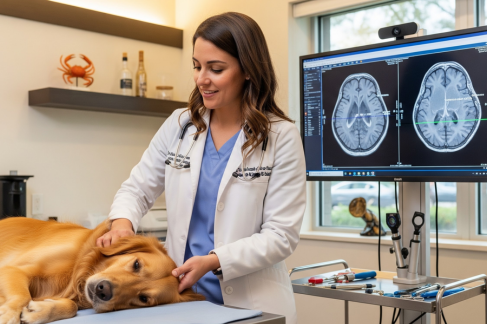
When a dog begins showing unusual neurological symptoms such as seizures, loss of balance, weakness, or sudden behavioral changes, it can be frightening for pet owners. In such cases, a pet neurologist in Maryland plays a critical role in diagnosing and treating complex disorders of the brain, spinal cord, nerves, and muscles. These veterinary specialists are highly trained professionals who focus exclusively on neurological health in pets and use advanced tools like MRI, CT scans, and cerebrospinal fluid analysis to reach accurate diagnoses.
In this article, we’ll explore what veterinary neurologists do, when your dog may need one, and the key conditions they treat.
What Is a Dog Neurologist?
A dog neurologist, also known as a veterinary neurologist, is a veterinarian with advanced training in diagnosing and treating disorders of the nervous system. This includes conditions affecting the brain, spinal cord, peripheral nerves, and muscles.
To become a specialist, veterinarians complete years of additional education, including a residency in neurology and board certification. This expertise allows them to handle complex cases that general veterinarians may not be equipped to manage.
In Maryland, veterinary neurology centers commonly offer advanced imaging (MRI and CT scans), neurosurgery, and long-term neurological care for pets with chronic or severe conditions.
When Should You See a Veterinary Neurologist?
You may be referred to a dog neurologist in Maryland if your pet shows symptoms such as:
- Seizures or epilepsy episodes
- Sudden collapse or fainting
- Loss of coordination or balance (ataxia)
- Weakness in limbs or paralysis
- Head tilting or abnormal eye movements
- Severe back pain or neck pain
- Behavioral changes without clear cause
These symptoms often indicate underlying neurological disease that requires specialized diagnosis and treatment.
Common Conditions Treated by Dog Neurologists in Maryland
Dog neurology specialists manage a wide range of conditions affecting the nervous system. Below are the most common disorders treated.
1. Seizure Disorders and Epilepsy
One of the most frequent reasons dogs are referred to a neurologist is seizures. Epilepsy is characterized by recurrent seizures caused by abnormal electrical activity in the brain.
Seizures may appear as:
- Full-body convulsions
- Muscle twitching or stiffness
- Loss of consciousness
- Drooling or uncontrolled urination
Neurologists determine whether seizures are caused by idiopathic epilepsy, brain tumors, toxins, or metabolic disease and develop long-term treatment plans using anti-seizure medications.
2. Intervertebral Disc Disease (IVDD)
IVDD occurs when spinal discs herniate or rupture, pressing on the spinal cord. This condition is especially common in breeds like Dachshunds.
Symptoms include:
- Sudden back pain
- Weakness in hind legs
- Difficulty walking or standing
- In severe cases, paralysis
Treatment may include medication, rest, or surgery depending on severity.
3. Brain and Spinal Tumors
Tumors in the brain or spinal cord can cause progressive neurological decline. These may be benign or malignant and often require MRI imaging for diagnosis.
Common signs include:
- Seizures in older dogs
- Changes in behavior
- Loss of coordination
- Vision problems
- Chronic pain
Treatment options may include surgery, radiation therapy, or palliative care.
4. Vestibular Disease (Balance Disorders)
Vestibular disease affects a dog’s balance system and can appear suddenly. It is often mistaken for a stroke.
Symptoms include:
- Head tilt
- Loss of balance
- Circling or falling
- Rapid eye movements (nystagmus)
- Nausea or vomiting
While frightening, some cases improve with supportive care over time.
5. Encephalitis and Meningitis
These are inflammatory conditions affecting the brain and spinal cord. They can be caused by infections, immune system disorders, or unknown factors.
Signs include:
- Fever
- Seizures
- Disorientation
- Neck pain
- Behavioral changes
Treatment usually involves anti-inflammatory or immunosuppressive medications.
6. Traumatic Brain or Spinal Cord Injuries
Accidents such as falls, car injuries, or trauma can lead to serious neurological damage. Dog neurologists evaluate the extent of injury using advanced imaging and provide emergency care when needed.
Depending on severity, treatment may include:
- Surgery
- Medication
- Rehabilitation therapy
7. Neuromuscular Disorders
These conditions affect the communication between nerves and muscles. One example is myasthenia gravis, which leads to muscle weakness and fatigue.
Symptoms include:
- Weakness after exercise
- Difficulty swallowing
- Collapse after activity
- Voice changes
Early diagnosis is crucial for effective management.
8. Congenital Neurological Disorders
Some dogs are born with neurological abnormalities affecting brain or spinal development. These may include:
- Hydrocephalus (fluid in the brain)
- Chiari-like malformations
- Spinal malformations
These conditions often require lifelong management and monitoring.
Diagnostic Tools Used by Dog Neurologists
Veterinary neurologists in Maryland rely on advanced diagnostic tools to identify the exact cause of neurological problems. These include:
- MRI (Magnetic Resonance Imaging): Provides detailed images of the brain and spinal cord
- CT Scans: Useful for detecting bone and structural abnormalities
- CSF Analysis: Examines cerebrospinal fluid for infection or inflammation
- Neurological Exams: Helps localize the problem area in the nervous system
- Blood Tests & X-rays: Rule out metabolic or systemic causes
These tools are essential for distinguishing between similar-looking conditions.
Treatment Options Offered by Veterinary Neurologists
Treatment depends on the diagnosis but may include:
- Anti-seizure medications
- Anti-inflammatory drugs
- Surgery for tumors or disc disease
- Physical rehabilitation
- Pain management therapy
- Long-term neurological monitoring
The goal is to improve quality of life and help pets regain mobility and comfort whenever possible.
Why Choose a Dog Neurologist in Maryland?
Maryland is home to several advanced veterinary neurology centers offering specialized care, emergency services, and cutting-edge imaging technology. These clinics often collaborate with surgeons, radiologists, and rehabilitation experts to provide comprehensive treatment plans.
Early consultation with a neurologist can significantly improve outcomes, especially in progressive conditions like epilepsy, spinal disease, or brain tumors.
Final Thoughts
Dog neurologists play a vital role in diagnosing and treating complex nervous system disorders in pets. From seizures and spinal injuries to tumors and balance issues, these specialists provide advanced care that goes far beyond general veterinary practice.
If your dog shows signs of neurological distress, seeking help from a qualified animal neurologist in Maryland, like VNIoC, can make a life-changing difference in diagnosis, treatment, and long-term health outcomes.