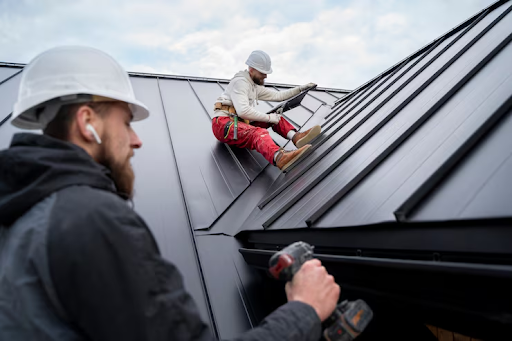
One of the most practical questions homeowners ask before committing to a roof replacement is: how long is this actually going to take? The answer depends on several variables — the size of your roof, the materials being installed, weather conditions, and the size of the crew doing the work. But with a clear understanding of each phase, you can plan accordingly and know what to expect from the moment you sign a contract to the moment cleanup is complete.
Phase One: Pre-Project Planning and Scheduling
The timeline for a roof replacement doesn’t begin on installation day. It begins with the initial inspection and estimate. After you’ve selected a contractor and signed an agreement, most reputable companies will need to order materials and schedule your project. During peak roofing season — typically late spring through early fall — lead times can range from a few days to several weeks, depending on the contractor’s backlog and material availability.
During this phase, your contractor should confirm the materials being ordered, clarify what permits are required, and give you a specific project window. Good communication here prevents surprises later.
Typical pre-project lead time: 3 days to 4 weeks
Phase Two: Material Delivery
A day or two before installation begins, you can expect a material delivery. Shingle bundles, underlayment rolls, flashing, ridge caps, and other components will be delivered and often placed on or near the roof. This delivery is also a convenient time to confirm that materials match what was specified in your estimate — color, product line, and quantity.
Timeline: 1–2 days before installation
Phase Three: Day One of Installation — Tear-Off
For most residential roof replacements, the first step on installation day is tearing off the old roofing material. The crew strips shingles, removes old underlayment, and disposes of all debris. A magnetic roller sweeps the ground around your home to collect nails. This process typically generates a significant amount of noise and activity.
Once the decking is exposed, the contractor inspects every section for rot, soft spots, or structural damage. Any compromised decking is replaced before new materials go on — this is a critical step that shouldn’t be rushed or skipped.
Day one duration: Half a day to a full day for average-sized homes
Phase Four: Underlayment and New Shingle Installation
With the decking cleaned and any damaged sections replaced, the crew installs new underlayment — the waterproof barrier beneath your shingles. Depending on your location and local building codes, this may be standard felt paper or a synthetic premium option.
Shingle installation follows, beginning at the eaves and working upward. Ridge caps, hip shingles, and ridge vents are installed last. This phase moves quickly with an experienced crew.
Understanding how long does it take to replace a roof from start to finish helps homeowners plan ahead — most average-sized residential projects are completed in a single day of active installation work, with the full project window (delivery through cleanup) spanning two to four days.
Phase Five: Flashing and Penetration Work
Flashing installation is one of the most technically demanding parts of a roof replacement. Metal flashing must be precisely fitted and sealed around every chimney, skylight, dormer, vent pipe, and valley. This work requires attention to detail that sets quality installations apart from rushed ones.
Poor flashing is one of the most common sources of leaks — not because materials fail, but because installation shortcuts create gaps that water exploits over time. A conscientious crew will take the necessary time here even if it extends the day.
Duration: Included in installation day; may extend timing on complex roofs
Phase Six: Cleanup and Final Inspection
A professional roofing crew treats cleanup as seriously as installation. Debris is loaded into dumpsters or trailers. Magnetic tools sweep the yard, driveway, and landscaping for stray nails — something every homeowner with children, pets, or bare feet should watch for. Gutters are cleared of debris.
Once physical cleanup is complete, the contractor should do a final walkthrough with you to review the completed work, confirm all penetrations are properly sealed, and answer any questions about maintenance or warranty documentation.
Cleanup duration: A few hours; typically completed same day as installation
What Can Extend the Timeline?
Several factors can push a project beyond the typical one-to-two-day window:
Large or complex roofs: Homes with steep pitches, multiple dormers, numerous penetrations, or large square footage take more time. A 4,000-square-foot home with a 12/12 pitch is a significantly longer project than a 1,800-square-foot ranch.
Extensive decking replacement: If a large proportion of the decking turns out to be compromised, the additional repair time adds to the overall schedule.
Weather delays: Rain or high winds can halt work mid-project. Responsible contractors won’t install shingles in wet conditions, as moisture trapped under shingles can cause long-term adhesion and moisture issues.
Material availability: Unusual shingle colors, specialty products, or supply chain disruptions can delay material delivery and push the start date.
What to Expect on Roofing Day
Knowing what to expect from a roofing project timeline and day-of experience helps reduce stress. Crews typically arrive early — often between 7 and 8 a.m. — and work through the day. Expect significant noise from nail guns, hammers, and materials being moved across the roof surface.
Move vehicles out of the driveway to give the crew access and protect your cars from falling debris. Keep children and pets indoors or away from the work zone. If you work from home, consider a library or coffee shop for the day.
After the Project: What Comes Next
Once installation is complete, your contractor should provide:
- Warranty documentation for both materials and workmanship
- Manufacturer registration information if applicable
- Guidance on maintenance practices
- A final invoice reflecting the completed scope of work
Conclusion
A residential roof replacement is a significant project, but it’s also one of the more efficient major home improvements when executed by an experienced crew. Most homeowners go from signed contract to completed roof within a week or two, with active installation typically wrapped in a single day. Understanding each phase of the process removes uncertainty, helps you prepare your household, and gives you a clear framework for evaluating whether your contractor is on track.