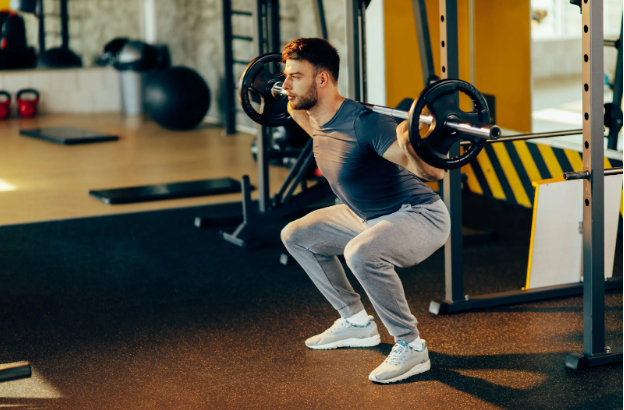
When starting a fitness journey, finding the right plan can feel overwhelming. From gym routines to personal coaching, options are endless, but the best results come from a program tailored to your unique needs. A well-designed strength training program not only builds muscle but also enhances endurance, improves overall health, and boosts confidence. Whether you’re training for sports performance, managing a health condition, or simply aiming to live a stronger life, the right approach makes all the difference.
Why Strength Training Matters
Building Functional Strength
Strength training goes beyond lifting heavy weights. It focuses on developing functional strength that supports everyday movements—whether lifting groceries, climbing stairs, or improving posture. This approach reduces injury risk and ensures your body performs at its best across daily activities.
Long-Term Health Benefits
A consistent strength training routine helps maintain bone density, regulate blood sugar, and enhance cardiovascular health. It also plays a crucial role in weight management by increasing metabolism and supporting lean muscle mass.
Boosting Confidence and Mental Health
Physical strength often translates into mental resilience. Many participants notice reduced stress levels, improved focus, and greater self-confidence after committing to a strength training program.
Factors to Consider When Choosing a Strength Training Program
Personal Fitness Goals
Your goals should guide your program choice. Someone training for an athletic competition will need a different routine compared to someone seeking rehabilitation or weight loss. Clarifying whether your goal is muscle growth, endurance, or recovery ensures the program is aligned with your expectations.
Customisation and Professional Guidance
No two individuals are the same, and a one-size-fits-all approach rarely delivers the best results. A tailored program considers your current fitness level, mobility, and lifestyle. Working with trained professionals ensures exercises are not only effective but also safe.
Progression and Adaptability
The best programs evolve with you. As you grow stronger, your workouts should gradually become more challenging. Look for training plans that include progressive overload and adapt to your changing needs over time.
The Role of Professional Support
Why Expertise Matters
Professional trainers and exercise physiologists bring evidence-based methods to every session. Their expertise ensures you’re performing movements with correct form, preventing injuries while maximising efficiency.
Tailored Support for All Needs
From athletes to beginners, professional support allows each individual to progress at their own pace. For people living with disabilities or specific health conditions, working with an NDIS exercise physiologist provides additional reassurance and support in meeting health and fitness goals.
Different Types of Strength Training Programs
Beginner-Friendly Programs
For those new to strength training, beginner programs often include bodyweight exercises, light resistance, and a focus on form. These provide a strong foundation without overwhelming the participant.
Advanced Athletic Training
Athletes require high-intensity training that improves speed, agility, and explosive strength. These programs often involve weightlifting, plyometrics, and sport-specific drills.
Rehabilitation and Recovery Programs
For individuals recovering from injury, rehabilitation-focused programs emphasise controlled movements and gradual progress. Professional oversight ensures safe recovery and reduced chances of re-injury.
Why Professional Facilities Make a Difference
Access to the Right Equipment
Professional facilities are equipped with specialised tools that make training safer and more effective. From resistance machines to free weights and functional training areas, the environment supports varied and challenging workouts.
Motivation and Accountability
Training in a supportive environment provides the motivation to stay consistent. Regular sessions, guided by trainers, keep you accountable and focused on your long-term goals.
Steps to Get Started with Strength Training
Step 1: Assess Your Goals
Define whether you want to build muscle, lose fat, improve sports performance, or support rehabilitation.
Step 2: Consult a Professional
Meet with a trainer or physiologist who can design a program tailored to your goals and abilities.
Step 3: Commit to Consistency
Success in strength training comes from regular effort. Stick to your plan, track progress, and celebrate milestones.
Conclusion
Choosing the right strength training program is about more than lifting weights—it’s about aligning your goals with professional guidance, tailored support, and a structured approach. By considering your fitness level, personal objectives, and the importance of progression, you can select a plan that transforms both your body and your overall health. With the support of an experienced team and the added expertise of an NDIS exercise physiologist, you’ll have the confidence and resources to achieve lasting results.