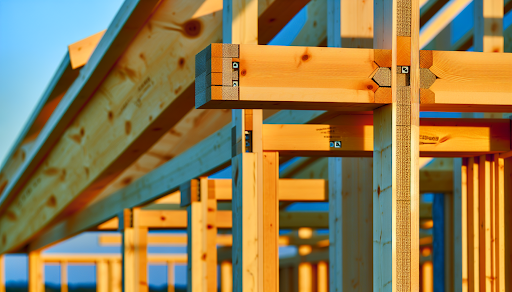
As the demand for sustainable building solutions grows, commercial timber frame structures have become a popular choice for businesses seeking eco-friendly construction options. Timber framing offers a unique blend of aesthetic appeal, structural integrity, and environmental benefits that make it a compelling option for commercial projects.
Why Choose Timber for Commercial Projects?
Timber is a renewable resource, making it a sustainable choice for construction. It has a lower carbon footprint compared to steel or concrete, as it absorbs CO2 during its growth. This aspect contributes to reducing the overall environmental impact of a building project. Additionally, timber provides excellent insulation properties, which can lead to energy savings over the building’s lifetime.
The natural beauty of timber also enhances the architectural appeal of commercial spaces. Its versatility allows for innovative designs that can align with a company’s brand image. Whether you are constructing a retail space, office building, or restaurant, timber framing can offer a warm and inviting atmosphere.
The Process of Custom Commercial Timber Construction
Custom commercial timber construction begins with a detailed consultation phase. During this stage, architects and builders collaborate to understand the specific needs and goals of the business. This involves assessing the site, determining the structural requirements, and designing a framework that meets both aesthetic and functional needs.
Once the design is finalized, the construction phase begins. Timber is precision-cut and assembled, ensuring that each component fits perfectly. This method reduces waste and speeds up the construction process. The prefabrication of timber elements allows for quicker on-site assembly, minimizing disruptions to the surrounding area.
Key Considerations for Commercial Timber Installation
When it comes to commercial timber installation, several factors must be considered to ensure success. First, the quality of the timber is paramount. It is essential to use high-grade timber that is treated to withstand environmental factors such as moisture and pests.
Another critical aspect is the expertise of the installation team. Skilled professionals with experience in timber construction can ensure that the structure is built to last. Proper installation techniques are crucial for maintaining the integrity and safety of the building.
Additionally, integrating modern technology with traditional timber framing can enhance the functionality of the building. Features such as smart lighting, climate control, and energy-efficient systems can be seamlessly incorporated into the design.
Benefits of Commercial Timber Consultation
Engaging in a thorough commercial timber consultation can significantly impact the success of your project. Consultation involves working with experts who can guide you through the complexities of timber construction. They provide insights into material selection, design optimization, and cost management.
A comprehensive consultation can help identify potential challenges early in the process, allowing for proactive solutions. This foresight can prevent costly delays and ensure that the project stays on schedule and within budget.
Furthermore, consultation services often include assistance with obtaining necessary permits and navigating building codes. This support can streamline the approval process, reducing administrative burdens on the business owner.
Trends in Commercial Timber Construction for 2026
As we look to the future, several trends are shaping the landscape of commercial timber construction. One significant trend is the increased use of cross-laminated timber (CLT). CLT offers enhanced strength and stability, making it suitable for larger commercial projects.
Another trend is the integration of biophilic design principles. This approach emphasizes the connection between the built environment and nature, promoting wellness and productivity. Timber’s natural aesthetic aligns well with biophilic design, making it a preferred material for such projects.
Sustainability continues to be a driving force in the industry. Businesses are increasingly prioritizing eco-friendly practices, and timber construction aligns with these values. The use of sustainable materials and energy-efficient designs is expected to grow as companies strive to reduce their environmental impact.
Conclusion
In 2026, commercial timber frame structures stand out as a viable and attractive option for businesses seeking sustainable and aesthetically pleasing building solutions. From custom commercial timber construction to installation and consultation, each phase of the process offers unique benefits. As trends continue to evolve, timber remains at the forefront of innovative and eco-conscious construction practices. By embracing these advancements, businesses can create spaces that are not only functional but also environmentally responsible.