High Point, North Carolina, experiences a variety of weather conditions throughout the year, including heavy rain, thunderstorms, strong winds, hail, and occasional winter storms. While these weather events are common, they can take a significant toll on residential roofing systems. Unfortunately, many homeowners don’t realize their roof has been damaged until a leak or other major problem appears.
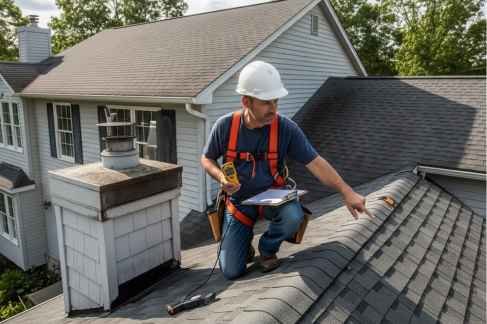
Regular roofing inspections in High Point, NC, are one of the most effective ways to protect your home from costly storm-related damage. By identifying vulnerabilities before severe weather strikes, professional inspections can help extend your roof’s lifespan, reduce repair expenses, and keep your family safe.
Here’s how roofing inspections help protect homes in High Point, NC from storm damage.
Understanding High Point’s Storm Risks
Homeowners in High Point face several weather-related threats that can affect roofing systems, including:
- Heavy rainfall
- Strong wind gusts
- Thunderstorms
- Hailstorms
- Falling tree limbs
- Winter ice and snow accumulation
Even when a storm appears minor, roofing materials can suffer hidden damage that gradually worsens over time. Regular inspections help identify these issues before they become serious problems.
Early Detection of Weak or Damaged Shingles
Shingles serve as the first line of defense against rain, wind, and debris. During a roofing inspection, professionals carefully examine shingles for signs of:
- Cracking
- Curling
- Blistering
- Missing sections
- Loose fasteners
- Granule loss
Damaged shingles are particularly vulnerable during High Point’s seasonal storms. Strong winds can easily lift weakened shingles, exposing the underlying roof structure to moisture intrusion. Identifying these issues and early roof repair in High Point can prevent extensive storm damage later.
Identifying Hidden Water Intrusion
Not all roof leaks are immediately visible inside your home. Small amounts of moisture can penetrate roofing materials and remain undetected for months.
A professional roofing inspection can uncover signs of:
- Moisture infiltration
- Soft roof decking
- Attic condensation
- Mold growth
- Water-stained insulation
By addressing these problems before a major storm arrives, homeowners can avoid extensive interior water damage and expensive repairs.
Ensuring Flashing Is Storm-Ready
Roof flashing is installed around chimneys, vents, skylights, valleys, and other roof penetrations to prevent water from entering vulnerable areas.
Over time, flashing may:
- Crack
- Rust
- Separate from roofing materials
- Become loose due to weather exposure
In High Point’s storm-prone environment, damaged flashing can quickly lead to leaks during heavy rainfall. Roofing inspections help identify flashing issues and ensure all critical areas remain properly sealed.
Checking Gutters and Drainage Systems
Roof inspections often include evaluating gutters and drainage systems.
When gutters become clogged or damaged, rainwater may:
- Overflow onto siding
- Pool near the foundation
- Back up beneath roofing materials
- Cause fascia and soffit damage
High Point frequently experiences intense rainstorms that can overwhelm poorly maintained drainage systems. An inspection helps ensure water flows safely away from the roof and home.
Detecting Storm Damage Before It Gets Worse
Sometimes roof damage occurs after a storm but remains unnoticed from the ground.
A professional roofing inspection can identify:
- Lifted shingles
- Impact damage from hail
- Torn roofing materials
- Damaged vents
- Cracked flashing
- Hidden punctures
Addressing minor storm damage quickly prevents future storms from worsening the problem and causing more extensive structural issues.
Protecting Your Home’s Structural Integrity
The roof protects much more than just the interior living space. It also safeguards your home’s structural components, including:
- Roof decking
- Rafters
- Trusses
- Insulation
- Interior walls
- Ceilings
When storm damage allows moisture to enter the roofing system, wood structures can weaken and rot over time. Regular inspections help detect vulnerabilities before structural damage develops.
Extending Roof Lifespan
Every roofing system has a limited lifespan, but regular maintenance and inspections can significantly extend it.
By identifying and correcting small issues early, inspections help prevent premature wear caused by:
- Water penetration
- Wind damage
- UV exposure
- Moisture buildup
- Debris accumulation
For homeowners in High Point, extending roof lifespan can delay the need for a costly replacement while maximizing the value of their roofing investment.
Supporting Insurance Claims After Storms
If your home experiences significant storm damage, documentation is essential when filing an insurance claim.
A professional roofing inspection provides:
- Detailed reports
- Photographic evidence
- Damage assessments
- Repair recommendations
Having a documented inspection can strengthen your claim and help ensure damage is properly evaluated by insurance adjusters.
Improving Energy Efficiency
Storm damage can compromise your roof’s ability to regulate indoor temperatures.
Problems such as:
- Missing shingles
- Damaged insulation
- Roof leaks
- Ventilation issues
can force heating and cooling systems to work harder.
Regular inspections help maintain an efficient roofing system, which can lower energy costs and improve indoor comfort throughout High Point’s hot summers and cooler winters.
When Should High Point Homeowners Schedule a Roof Inspection?
Experts generally recommend scheduling a roofing inspection:
- Twice Per Year: Typically in the spring and fall.
- After Major Storms: Particularly following hailstorms, high winds, or severe thunderstorms.
- Before Buying or Selling a Home: It helps identify any roofing issues before a real estate transaction.
- If the Roof Is More Than 10 Years Old: Older roofs often require more frequent evaluations to detect age-related wear.
Final Thoughts
High Point homeowners know that severe weather can arrive unexpectedly and cause significant damage to residential roofs. The best defense against costly storm-related repairs is a proactive approach that includes regular professional roofing inspections.
By identifying hidden weaknesses, repairing minor issues, and ensuring your roofing system is prepared for North Carolina’s changing weather conditions, inspections provide valuable protection for your home, family, and investment. Whether your roof is brand new or approaching the end of its lifespan, routine inspections can help you stay one step ahead of storm damage and avoid costly surprises in the future.
If you are looking for a reputable roofing company, you can consider Statewide Roofing Specialist. For more information, visit the site.