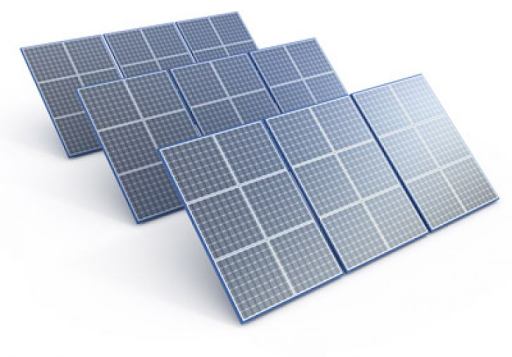
The global transition toward renewable energy has accelerated the adoption of solar power systems across residential, commercial, and industrial sectors. As installations increase, the need for durable, efficient, and adaptable structural components becomes more critical. In this evolving landscape, the role of aluminum section solar panel systems has gained significant importance, offering a reliable framework that supports long-term performance and structural integrity. These systems ensure that solar panels remain secure, aligned, and optimized for maximum energy output.
With advancements in solar technology, the demand for high-quality mounting structures has grown rapidly. The integration of aluminum section solar panel solutions provides flexibility, corrosion resistance, and ease of installation, making them a preferred choice for modern solar projects. Businesses and developers are increasingly adopting modular aluminium frameworks to improve efficiency, reduce maintenance costs, and enhance the overall durability of solar installations.
How Aluminum Section Solar Panel Systems Enhance Structural Efficiency
The effectiveness of a solar installation depends not only on the panels but also on the supporting framework. Aluminum section solar panel systems play a vital role in ensuring structural stability and operational efficiency.
1. Lightweight Yet High Strength Construction
Aluminium is known for its excellent strength-to-weight ratio, making it ideal for solar mounting systems. Its lightweight nature simplifies transportation and installation while maintaining the structural integrity required to support solar panels under varying environmental conditions. This balance reduces installation complexity and enhances long-term performance.
2. Corrosion Resistance for Long-Term Durability
Solar installations are often exposed to harsh environmental conditions such as rain, humidity, and temperature fluctuations. Aluminium naturally resists corrosion, ensuring that the structure remains intact over time. This durability minimizes maintenance requirements and extends the lifespan of the entire solar system.
3. Flexibility for Diverse Installation Needs
Aluminium sections can be easily customized to fit different project requirements. Whether for rooftop systems or ground-mounted installations, these structures provide the adaptability needed for various configurations. This flexibility ensures optimal panel placement and energy generation.
4. Easy Installation and Reduced Labor Costs
The lightweight and modular design of aluminium sections simplifies installation processes. This reduces labor requirements and speeds up project completion. Faster installations not only lower costs but also allow businesses to begin energy generation sooner.
5. Improved Structural Stability and Safety
Aluminium frameworks are designed to withstand wind loads and other environmental stresses. Their robust construction ensures that solar panels remain secure, reducing the risk of damage and improving overall system safety.
Why Aluminum Section Solar Panel Solutions Drive Sustainable Energy Growth
Sustainability is a key factor in modern infrastructure development. Aluminum section solar panel systems contribute significantly to eco-friendly energy solutions by supporting efficient solar installations.
1. Supporting Renewable Energy Adoption
Aluminium structures enable the widespread deployment of solar panels by providing reliable support systems. This accelerates the transition to renewable energy sources and reduces dependence on fossil fuels.
2. Recyclability and Environmental Benefits
Aluminium is highly recyclable, making it an environmentally friendly material. Its use in solar systems aligns with sustainability goals by reducing waste and promoting resource efficiency.
3. Enhancing Energy Output Efficiency
Proper alignment and stability of solar panels are crucial for maximizing energy generation. Aluminium sections ensure optimal positioning, improving overall system efficiency.
4. Reducing Long-Term Maintenance Costs
Durable aluminium frameworks require minimal maintenance, lowering operational costs over time. This makes solar installations more economically viable for businesses and homeowners.
5. Enabling Scalable Solar Installations
Modular aluminium systems allow for easy expansion of solar projects. Businesses can scale their installations as energy needs grow without significant structural modifications.
Advantages of Modular Aluminium Structures in Solar Projects
The use of modular frameworks has transformed solar installation practices. These systems offer efficiency, adaptability, and cost-effectiveness.
1. Standardized Design for Faster Deployment
Modular systems are designed with standardized components, making them easier to assemble and install. This reduces project timelines and improves efficiency.
2. Customization for Project-Specific Requirements
Despite standardization, modular aluminium systems can be customized to meet unique project needs. This ensures flexibility in design and application.
3. Improved Logistics and Transportation
Lightweight modular components are easier to transport, reducing logistical challenges and costs. This is particularly beneficial for large-scale projects.
4. Enhanced Durability and Performance
Modular aluminium structures maintain consistent quality and performance, ensuring long-term reliability in solar installations.
5. Cost Efficiency in Large-Scale Projects
By reducing labor, transportation, and maintenance costs, modular systems offer significant financial advantages for large solar projects.
The Future of Solar Infrastructure with Aluminium Solutions
As solar technology continues to evolve, the importance of advanced structural components becomes more evident. Aluminium plays a central role in shaping the future of solar infrastructure.
1. Integration with Smart Energy Systems
Modern aluminium frameworks are designed to integrate seamlessly with smart solar technologies, enhancing monitoring and efficiency.
2. Supporting Urban Solar Installations
Aluminium’s lightweight properties make it ideal for rooftop and urban solar projects where structural load is a concern.
3. Driving Innovation in Solar Design
Continuous advancements in aluminium processing are enabling more innovative and efficient solar mounting solutions.
4. Expanding Global Solar Adoption
Reliable and cost-effective aluminium structures make solar energy accessible to a wider range of markets and applications.
5. Strengthening Long-Term Energy Sustainability
By providing durable and efficient support systems, aluminium contributes to the long-term success of renewable energy initiatives.
Final Thoughts
In today’s rapidly evolving energy landscape, the importance of reliable structural components cannot be overstated. Aluminum modular sections are essential for ensuring efficiency, durability, and scalability in solar installations. They provide the foundation for high-performance systems that meet the growing demand for sustainable energy solutions.
For businesses seeking dependable and high-quality aluminum solutions, JM Aluminium stands out as a trusted provider delivering precision-engineered products designed for strength, flexibility, and long-term performance. With a strong focus on quality, innovation, and customer-centric solutions, they support diverse solar projects with advanced aluminium modular systems. Their commitment to excellence ensures that solar installations achieve optimal efficiency, durability, and scalability, making them a reliable partner in the transition toward sustainable energy.