Introduction: Why Nepal Deserves a Place on Your Travel List
There is something special about travelling through Nepal. One day you might find yourself walking through an old temple courtyard. The next day you could be sitting beside a peaceful lake with mountains in the distance. Few destinations bring together history, spirituality and natural beauty quite like Nepal.
Located between India and China, Nepal attracts all kinds of travellers. Some come to explore its famous temples and religious sites. Others dream of seeing the Himalayas or spending a few quiet days away from busy city life. Families often enjoy its cultural attractions and scenic destinations, while adventure lovers head towards the mountains for trekking and outdoor activities.
However, you do not need to be an experienced trekker to enjoy Nepal. The country has plenty to offer even if you prefer comfortable road journeys and relaxed sightseeing. You can explore historic towns, taste traditional food, visit sacred places, and enjoy beautiful landscapes without rushing from one destination to another. For travellers starting their journey from Uttar Pradesh, a Gorakhpur to Nepal Tour Package can be a convenient way to plan transport, sightseeing, and accommodation for a memorable holiday.
If you are planning your first visit, this guide will help you discover some of Nepal’s most interesting cultural and natural attractions. It also includes practical tips to make your journey easier and more enjoyable.
1. Kathmandu: Start Your Journey in Nepal’s Historic Capital
For many travellers, Kathmandu is the first stop on a Nepal holiday. The city can seem crowded and noisy when you arrive. Yet once you begin exploring its older neighbourhoods, you will discover a different side of the capital.
Kathmandu’s long history shows in its temples, traditional houses, and public squares. Start with Kathmandu Durbar Square, where historic palaces and beautifully carved wooden windows reflect local artisans’ skill. The square is also a good place to observe everyday life as residents and visitors move through the surrounding streets.
Another place worth visiting is Swayambhunath Stupa. Set on a hill above the city, this Buddhist site offers a wonderful view of the Kathmandu Valley. The steps leading to the top can be tiring, but the scenery makes the climb worthwhile. You will also notice colourful prayer flags and the famous Buddha eyes painted on the stupa.
Pashupatinath Temple deserves a place on your itinerary as well. Situated beside the Bagmati River, it is one of the most important Hindu pilgrimage sites in Nepal. Visitors should follow the site’s rules and remember that access to the main temple is reserved for Hindus.
A useful tip: Give yourself at least two days to explore Kathmandu if your schedule allows. The city has enough historic sites, markets, and local food spots to keep you busy without making the trip feel hurried.
2. Bhaktapur: Discover the Charm of an Old Newari City
If you enjoy history and traditional architecture, spend a day in Bhaktapur. Located in the Kathmandu Valley, this historic city offers a glimpse of Nepal’s artistic heritage. Its brick streets, carved wooden windows, and traditional buildings create an atmosphere that feels different from modern city life.
Bhaktapur Durbar Square is a natural starting point. Here, you can admire old temples, palace buildings, and intricate architectural details. Nyatapola Temple is another highlight. Its tall structure and tiered roof make it one of the most recognisable landmarks in the city.
Still, some of Bhaktapur’s best moments happen away from the main attractions. Take a walk through the smaller lanes, and you may come across potters working with clay or local shopkeepers displaying handmade crafts. These everyday scenes offer a closer look at the traditions that continue to shape the community.
Food lovers should try juju dhau, a creamy sweet yoghurt that Bhaktapur is famous for. You can also find traditional Newari dishes in local eateries. If you enjoy discovering regional food, this is a good place to try something different.
A useful tip: Visit in the morning when possible. You will have more time to explore the streets and appreciate the architecture before the busier hours.
3. Lumbini: Visit the Birthplace of the Buddha
Lumbini offers a peaceful change of pace for travellers interested in religion and history. Located in the Rupandehi District of southern Nepal, it is recognised as the birthplace of Siddhartha Gautama, the Buddha.
The Maya Devi Temple is the main attraction within the sacred garden. Nearby, visitors can see archaeological remains and the Ashoka Pillar, which is associated with the site’s ancient history. The surrounding grounds provide space to walk quietly and learn more about Buddhism.
One of the most interesting parts of visiting Lumbini is exploring the monastic zone. Different Buddhist communities have built monasteries here, each reflecting its own architectural traditions. As you walk around, you will notice differences in design, decoration, and atmosphere.
Unlike a busy sightseeing destination, Lumbini encourages you to slow down. You can spend time in the gardens, visit the monasteries, and learn about the site’s importance without filling every moment with activities.
A useful tip: Southern Nepal can become very hot, especially before the monsoon. Plan outdoor visits for the cooler parts of the day and carry drinking water.
4. Pokhara: Enjoy Lakeside Views and Mountain Scenery
After exploring Kathmandu and its historic neighbours, Pokhara is an excellent place to relax. The city is known for its lakes, mountain views and easy access to outdoor activities. It appeals to travellers who want to enjoy Nepal’s natural beauty without giving up comfortable accommodation and good food.
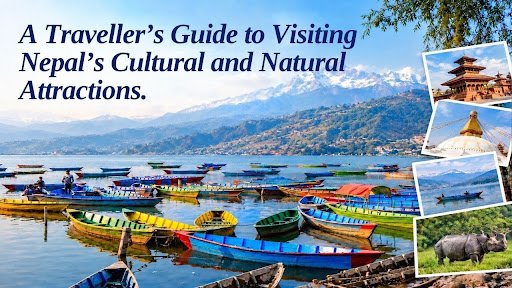
Phewa Lake is one of Pokhara’s best-known attractions. You can take a boat ride across the water or simply spend time along the lakeside. When the sky is clear, the surrounding hills and distant Annapurna peaks create a beautiful backdrop. The small Tal Barahi Temple on an island in the lake is another popular stop.
For a wider view of the landscape, head towards the World Peace Pagoda. The hilltop location overlooks Pokhara and the lake. You can reach the area by hiking or by arranging transport for part of the journey.
Pokhara has several other places worth exploring. Davis Falls attracts visitors with its unusual water flow, while Gupteshwor Mahadev Cave offers an interesting underground experience. Conditions around waterfalls can vary, so follow local safety instructions.
Later in the day, take a walk through Lakeside. You will find cafés, restaurants, small shops, and places to sit beside the water. After a full day of sightseeing, it is a lovely place to enjoy dinner and plan the next day’s activities.
A useful tip: Stay for two or three nights if possible. This gives you enough time to explore the city and leaves room to adjust your plans if clouds hide the mountain views.
5. Chitwan National Park: Experience Nepal’s Wild Side
Nepal is often associated with snowy mountains, but its southern plains have a completely different landscape. Chitwan National Park is one of the country’s best-known wildlife destinations. Its forests, grasslands and wetlands support a wide range of animal and bird species.
The park is particularly famous for the greater one-horned rhinoceros. It also provides habitat for Bengal tigers, deer, crocodiles and many other species. However, wildlife sightings depend on natural conditions. Even with an experienced guide, there is no guarantee that you will see a particular animal.
Depending on the activities currently permitted, visitors can explore designated areas through guided jeep safaris, birdwatching trips and other nature experiences. A local guide can explain the behaviour of animals and the importance of protecting their habitats.
The region also has a strong cultural identity. Tharu communities have long-standing connections with the surrounding landscape. Community-based experiences can help visitors learn about local food, traditions and everyday life.
When choosing activities, look for responsible operators that prioritise animal welfare and follow park regulations. A wildlife trip should allow you to appreciate nature without disturbing it.
A useful tip: Keep your expectations realistic. Sometimes the most memorable part of a wildlife experience is listening to birds, learning about the forest or watching the landscape change around you.
6. The Himalayas: See Nepal’s Most Famous Landscapes
For many people, seeing the Himalayas is a lifelong dream. Nepal offers some of the world’s most impressive mountain scenery, including Mount Everest and the Annapurna range. Fortunately, you do not need to attempt a difficult expedition to appreciate these landscapes.
The Everest region attracts trekkers from across the world. Popular routes pass through mountain villages and dramatic valleys. Namche Bazaar is an important stop for travellers heading towards Everest Base Camp. The region offers unforgettable scenery, but high altitude makes careful preparation essential.
The Annapurna region provides a variety of trekking options. Some journeys last several days, while shorter walks around Pokhara allow visitors to enjoy mountain views without committing to a long trek.
If trekking is not your preference, consider a scenic drive or a visit to an accessible viewpoint. On a clear morning, even a short excursion can give you beautiful views of the surrounding peaks.
Mountain travel does require extra care. Temperatures can drop quickly, and weather conditions may change without much warning. If you plan to trek at high altitude, choose a suitable route, allow time to acclimatise, and follow guidance from experienced professionals.
A useful tip: Do not judge a mountain trip by how far you travel. A slower journey with enough time to enjoy the scenery can be more rewarding than trying to reach the highest possible point.
7. Janakpur: Explore Religious Heritage and Mithila Culture
Janakpur is an important destination for travellers interested in Hindu pilgrimage and the cultural links between Nepal and India. The city is closely associated with the Ramayana and the traditional story of the marriage of Ram and Sita.
The main attraction is Janaki Mandir. Its impressive design and decorative details make it stand out from the surrounding buildings. Pilgrims visit throughout the year, while religious festivals bring additional activity to the city.
Janakpur is also known for Mithila culture and its traditional artwork. Visitors can discover local crafts, explore markets, and try regional dishes. These experiences help make the city more than just a religious stop.
If you are planning a longer journey through Nepal, Janakpur can be included alongside other cultural destinations. The best route will depend on where you begin your trip and how much time you have.
A useful tip: Check the festival calendar before travelling. A major celebration can make your visit especially memorable, although you should arrange accommodation and transport in advance.
8. Bandipur: Take a Break in a Traditional Hill Town
Not every memorable destination needs a long list of famous attractions. Sometimes a quiet town and a relaxed afternoon are enough to make a trip special. Bandipur is a good example.
Located along the route between Kathmandu and Pokhara, Bandipur is known for its traditional architecture and peaceful surroundings. Its main street features old buildings, small cafés, and stone-paved paths. The town offers a welcome break from busy roads and crowded tourist centres.
Walking through the settlement is one of the simplest ways to enjoy it. You can admire the buildings, stop for tea or browse local shops. If the weather is clear, nearby viewpoints and walking trails offer attractive views of the surrounding hills.
Bandipur also provides an opportunity to experience a smaller community. Take an interest in the local way of life, but remember to respect private homes and ask permission before taking photographs of people.
A useful tip: If your itinerary allows, spend a night in Bandipur. The town is worth experiencing at a slower pace rather than squeezing it into a short stop between destinations.
9. Taste Local Food and Get to Know Nepal Through Its Cuisine
Food can tell you a great deal about a place. In Nepal, traditional meals vary from one region to another, so trying local dishes is an enjoyable way to discover the country’s culture.
One meal you are likely to encounter is dal bhat. It usually includes rice, lentil soup, vegetables, and other accompaniments. It is widely available and makes a filling choice after a long day of sightseeing.
Momos are another favourite. These dumplings may be steamed or fried and are often served with a spicy dipping sauce. You will find them in restaurants, cafés and small food shops in many parts of the country.
The Kathmandu Valley is a good place to explore Newari cuisine. In Bhaktapur, look for the locally famous sweet yoghurt called juju dhau. In other regions, menus may feature different ingredients and cooking styles influenced by local traditions.
Do not overlook small restaurants when choosing where to eat. Some offer simple meals that provide a more personal introduction to local food. Just remember to choose places with good hygiene and explain any dietary requirements before ordering.
A useful tip: Ask your hotel host or local guide what they would recommend. Their suggestions may introduce you to a dish that you would not have found on your own.
10. When Is the Best Time to Visit Nepal?
The right time to visit Nepal depends on what you want to experience. A traveller interested in city sightseeing may have different priorities from someone planning a high-altitude trek.
Autumn, particularly October and November, is a popular season for travel. Conditions are often suitable for sightseeing and trekking, and mountain views can be especially clear. Spring is another good option. From March to May, many areas enjoy pleasant weather, while flowers bring colour to parts of the countryside.
The monsoon generally runs from June to September. During this period, rain makes the landscape greener, but it can also affect road journeys and outdoor activities. Some routes may experience landslides or delays.
Winter brings colder weather, especially in the mountains. Lower-altitude destinations can still be enjoyable, although high-altitude routes may experience snow and freezing temperatures.
Because Nepal has such varied terrain, conditions can differ between destinations even on the same day. Check local forecasts before travelling and avoid relying entirely on general seasonal expectations.
A useful tip: Choose your travel dates according to your main interests. If mountain views are your priority, allow a little flexibility in your schedule in case the weather changes.
11. Plan Your Journey Without Rushing
One of the biggest mistakes travellers make is trying to visit too many places in a short time. Nepal may look small on a map, but road journeys can take longer than expected because of winding routes, traffic and changing weather.
For a first trip, consider combining Kathmandu with Bhaktapur and Pokhara. This gives you a good mix of culture, architecture and natural scenery. If you have additional days, you could include Lumbini for its religious heritage or Chitwan for wildlife experiences.
Travellers arriving from India can enter Nepal through several land borders. The most convenient route depends on their starting city and the destinations they plan to visit. Before departure, check the latest travel-document requirements and confirm your transport arrangements.
Private transport can be useful for families and groups who prefer flexibility. It allows you to plan stops according to your needs and can simplify travel between several destinations. However, check what the booking includes before confirming a vehicle or tour package.
Pay attention to accommodation, travel time, meals, and sightseeing arrangements. A package that looks inexpensive at first may not include everything you expect.
A useful tip: Leave some free time in your itinerary. You may discover a local market you want to explore or find a viewpoint that deserves a longer visit. A little flexibility can make the entire holiday more enjoyable.
12. Respect Local Traditions and Protect the Places You Visit
A good travel experience is not only about the places you see. It also depends on how you interact with local communities and the environment.
When visiting temples and monasteries, dress appropriately and follow the instructions displayed at the entrance. Some religious sites restrict entry to certain visitors. Remove your shoes wherever required and ask permission before photographing people or ceremonies.
Nepal’s natural attractions also deserve care. Carry your rubbish with you, avoid disturbing wildlife, and follow marked paths when hiking. Small actions can help protect the places that attract visitors in the first place.
You can also support local communities by buying handmade products directly from craftspeople and choosing locally run restaurants or accommodation. These choices give you a better opportunity to experience local life while helping tourism benefit residents.
Learning a few basic Nepali greetings can also make everyday interactions warmer. You do not need to speak the language fluently. A simple effort to communicate respectfully is often appreciated.
A useful tip: Treat every destination as someone’s home as well as a tourist attraction. Respectful behaviour makes travel more meaningful for both visitors and local residents.
Conclusion: Make Your Nepal Trip One to Remember
Nepal has a way of bringing different travel experiences together. Its historic cities introduce you to centuries of art and architecture. Its religious landmarks offer opportunities to learn about spiritual traditions. Meanwhile, its lakes, forests and mountains provide plenty of reasons to spend time outdoors.
You might remember the sound of prayer bells in Kathmandu, a quiet boat ride on Phewa Lake or a conversation with a local shopkeeper in Bhaktapur. These small moments often become just as meaningful as the famous attractions.
The key is to plan a journey that suits your interests instead of trying to see everything at once. Choose a few destinations, leave enough time for travel, and remain open to experiences that were not part of your original plan.
Before leaving home, check your travel documents, accommodation, and transport arrangements. If you plan to trek, prepare according to the route and season. Most importantly, travel with respect for local traditions and the natural environment.
Whether you are visiting Nepal for its cultural heritage, mountain scenery, or peaceful landscapes, you will find plenty to explore. If you want to make your journey more convenient, explore a well-planned Nepal tour package that suits your travel interests and schedule. Take your time, enjoy the journey, and let the country reveal itself one destination at a time.