Reducing landfill waste and minimising carbon emissions are top priorities in the global push toward cleaner energy. One innovative solution supporting this shift is refuse derived fuel, commonly known as RDF. Created by converting non-recyclable waste into combustible material, RDF serves as an efficient energy source for cement kilns, power stations, and waste-to-energy facilities. As a practical alternative to traditional fossil fuels, it plays a crucial role in advancing sustainable energy practices worldwide.
Companies like OGTEC are at the forefront of RDF technology, offering advanced systems that efficiently convert municipal solid waste into usable energy sources. Understanding the process behind RDF can help stakeholders in waste management, energy production, and manufacturing sectors realise its full potential.
What Is Refuse Derived Fuel?
Refuse derived fuel is a type of fuel made from the combustible components of municipal solid waste (MSW). These components typically include plastics, paper, cardboard, textiles, and other non-recyclable but energy-rich materials. By isolating and processing these materials, RDF provides an alternative to landfilling, thereby reducing the environmental footprint of waste disposal.
RDF is especially valuable in countries aiming to minimise landfill usage and reduce dependence on coal or oil. It has a high calorific value and can be tailored to meet the specific energy needs of various industrial users.
Waste Collection and Sorting
The first step in producing refuse derived fuel begins with the collection of municipal and industrial waste. This waste is then sent to a material recovery facility (MRF) or RDF plant for sorting. At this stage, recyclable materials such as metals and clean paper are separated out to ensure that only non-recyclable, high-energy-content materials remain.
Advanced sensor-based sorting systems are often used to streamline this step. These systems, offered by manufacturers like OGTEC, help ensure accuracy and efficiency in segregating suitable RDF materials from general waste.
Drying and Size Reduction
After sorting, the remaining waste materials are typically dried to reduce moisture content. Moisture can hinder combustion efficiency and increase transportation costs. Drying is often accomplished using air-drying systems or thermal dryers, depending on the type of waste and the processing volume.
Following the drying phase, the waste is reduced in size using high-powered shredders. Size reduction is crucial for producing a uniform RDF product that can be easily handled, transported, and combusted. Consistent particle size also ensures better combustion control in energy recovery facilities.
Pelletizing or Baling
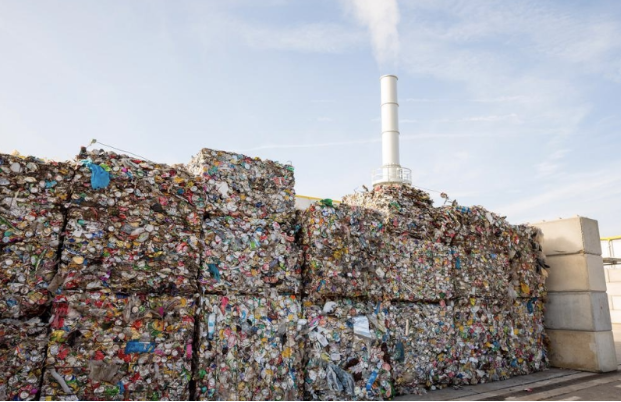
Once shredded, RDF can be further processed into pellets or compacted into bales for easier handling and storage. Pelletizing enhances energy density, making the fuel suitable for use in automated feeding systems. Some facilities choose to keep the RDF loose, depending on their combustion system design.
OGTEC supplies machinery that accommodates multiple RDF formats, providing flexibility for end-users in the energy and manufacturing sectors.
Combustion and Energy Recovery
The final RDF product is sent to facilities such as cement kilns, co-incineration plants, or dedicated waste-to-energy plants. These facilities are equipped to burn RDF safely and efficiently, converting the stored chemical energy into usable heat or electricity.
Unlike untreated waste incineration, burning refuse derived fuel offers more controlled combustion with reduced emissions. Emissions control systems, including scrubbers and filters, are used to minimise environmental impact.
Conclusion: Technology and Sustainability in Waste-to-Energy
The process of producing refuse derived fuel is a critical innovation in sustainable waste management. It transforms non-recyclable materials into a valuable resource, reducing landfill use and supporting cleaner energy production. With global emphasis on circular economy principles, RDF continues to gain traction across industrial sectors.
Leaders in waste technology, such as OGTEC, play a pivotal role by supplying advanced machinery, including sorting lines, drying units, and shredders. For operations seeking to improve RDF processing efficiency, integrating an industrial shredder is a key step toward optimising material preparation and ensuring consistent fuel quality.