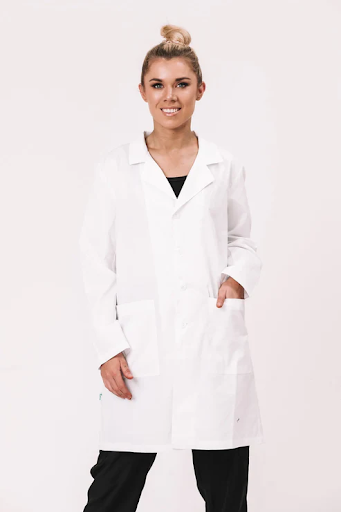
In the modern world of science, medicine, and research, appearances and performance both count—and they often start with something as seemingly simple as a white coat for lab. More than just a uniform, the lab coat serves as a symbol of professionalism, safety, and scientific rigour. But today, the role of the white coat extends beyond tradition. With rapidly evolving safety standards, changing workplace cultures, and growing attention to sustainability and comfort, choosing the right lab coat has become more important than ever.
The Symbolism Behind the Coat
From the moment students don their first white coat in a lab course or medical ceremony, they step into a world of responsibility. The white coat is no longer just clothing—it’s a rite of passage. It signifies a commitment to ethical standards, attention to detail, and a pursuit of knowledge. Whether in a clinical setting or a research laboratory, the coat acts as both shield and signal: shielding the wearer from potential hazards and signalling credibility to peers, patients, and colleagues.
Yet, symbolism alone isn’t enough. In fast-paced, high-risk environments, function must support form. That’s where the evolution of the lab coat begins to make a real difference.
Evolving Safety Standards
With advancements in chemical handling, biological research, and diagnostic technologies, today’s lab environments are more complex than ever. As a result, protective clothing has also had to evolve. Modern lab coats are now engineered with specific materials to meet industry-specific safety requirements. Flame-resistant fabrics, anti-static properties, and liquid-repellent coatings are not just helpful—they’re often essential.
Laboratories handling infectious diseases, for example, may require coats that are resistant to biohazards. Similarly, labs working with volatile chemicals or electrical equipment must rely on coats that provide appropriate protection. Choosing the right white coat for lab tasks can mean the difference between a minor incident and a major safety breach.
Comfort Meets Functionality
While safety is paramount, comfort and mobility are also key. Scientists, technicians, and healthcare workers often wear lab coats for long hours. Ill-fitting or poorly designed coats can hinder movement, cause overheating, or simply become a distraction. Modern innovations have introduced ergonomic cuts, breathable fabrics, and stretch panels to make sure that performance never comes at the cost of comfort.
Simply Scrubs, a leading provider of medical and laboratory apparel, exemplifies this shift in priorities. They understand that professionals want gear that looks sharp, feels comfortable, and delivers high performance under pressure. Brands like this are redefining what a lab coat should be—less like a uniform, more like a tool.
Style and Professional Identity
As the boundaries between clinical and research environments blur, so do the expectations around attire. Lab coats are increasingly designed to reflect the personal and professional identity of the wearer. Gender-neutral fits, tailored silhouettes, and optional customisations like embroidered names and logos contribute to a sense of ownership and pride.
More institutions now consider lab attire part of their brand. Coordinated coats can create a unified, professional look across teams, while also aiding in easy identification. In many ways, the lab coat functions like a business card, offering a first impression and conveying attention to detail, discipline, and professionalism.
Environmental Considerations
In an age where sustainability is a growing concern, even lab attire is under the microscope. Disposable lab coats contribute to significant medical and laboratory waste, prompting a shift toward reusable, eco-friendly alternatives. Many companies now offer coats made from sustainable materials that can be laundered and reused without compromising safety or appearance.
This trend not only supports environmental goals but can also prove cost-effective over time. Institutions are beginning to recognise that investing in high-quality, reusable lab coats is both ethically sound and financially smart.
Gender and Inclusivity
Historically, lab coats were designed with a generic, male-centric fit. However, the growing diversity in the fields of science and medicine has prompted a rethinking of standard sizes and cuts. Today, inclusive sizing, unisex designs, and tailored options are widely available, allowing all professionals to find a coat that fits both their body and their role.
Inclusion in uniform may seem minor, but it sends a powerful message about respect, equality, and professionalism. It reinforces the idea that everyone in the lab has an equally important role to play.
Making the Right Choice
Choosing the right lab coat involves more than picking the cheapest or the most stylish option. Professionals should consider their specific work environment, safety requirements, and personal preferences. Questions like “Is this coat flame-resistant?” or “Will it hold up to daily laundering?” can be just as important as “Does this fit well?”
Additionally, suppliers like Simply Scrubs make the decision-making process easier by offering curated selections that meet industry standards without compromising comfort or aesthetics. From students to senior researchers, the right coat supports productivity, safety, and professional development.
Conclusion
In today’s evolving scientific and clinical landscapes, the white coat for lab has taken on new meaning. It is no longer a one-size-fits-all garment but a thoughtful, functional part of professional life. It reflects a commitment to safety, professionalism, and self-respect. From materials and fit to environmental impact and brand representation, the lab coat deserves careful consideration. As expectations rise and standards shift, choosing the right one isn’t just about what you wear—it’s about how you work, how you’re perceived, and how you protect yourself and those around you.