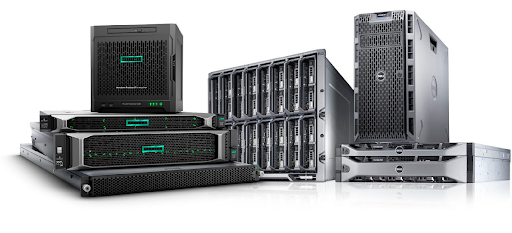
Technology upgrades are essential for maintaining productivity, security, and operational efficiency. As businesses replace outdated computers, servers, networking equipment, and storage devices, large quantities of retired assets often accumulate. Managing these assets effectively requires careful planning to ensure secure handling, regulatory compliance, and environmental responsibility. Many organisations choose to work with an IT scrap buyer in bulk to simplify the disposal process and recover value from equipment that is no longer needed. Understanding the key aspects of large-scale IT disposal helps companies make informed decisions while protecting both business interests and sustainability goals.
Understanding the Scope of Large-Scale IT Disposal
Large-scale IT disposal involves the removal and management of significant quantities of technology assets from offices, data centres, educational institutions, and corporate facilities. Unlike disposing of a few individual devices, large projects require structured planning and coordination.
Organisations often undertake large-scale disposal during office relocations, infrastructure upgrades, mergers, acquisitions, or technology refresh cycles. These projects can involve hundreds of devices, making proper inventory management and disposal planning essential.
A well-organised disposal strategy helps businesses avoid unnecessary delays, maintain accurate asset records, and ensure equipment is processed through appropriate channels. Proper planning also minimises disruptions to daily operations.
Why Asset Assessment Is Important
Before beginning any disposal project, businesses should evaluate all equipment scheduled for removal. Asset assessments help determine which devices can be reused, refurbished, resold, or recycled.
Creating a detailed inventory provides valuable information about equipment specifications, quantities, and conditions. This information helps organisations make informed decisions regarding the most effective disposal methods.
Many businesses involved in IT Asset Disposal in the UAE conduct comprehensive assessments before equipment removal because accurate records improve project efficiency and support asset tracking requirements.
A structured evaluation process also helps identify equipment that still retains market value. Recovering value from surplus assets can offset disposal costs and improve overall financial outcomes.
Key Factors That Influence Successful Disposal Projects
Large-scale IT disposal requires businesses to address several important considerations. These factors help ensure equipment is handled securely, efficiently, and responsibly.
1. Data Security and Confidential Information
Protecting sensitive information is a key part of technology disposal because computers, servers, and storage devices often contain confidential business data. Businesses should implement secure data destruction methods, such as data wiping or drive destruction, before equipment leaves their premises. This helps prevent unauthorised access and reduces security risks.
2. Efficient Collection and Transportation
Large-scale IT disposal requires careful planning to ensure equipment is collected and transported safely. Coordinated schedules and proper handling procedures help minimise operational disruptions. Professional disposal providers can simplify the process and improve project efficiency.
3. Environmental Responsibility
Electronic equipment contains materials that require specialised disposal methods. Responsible recycling helps recover valuable resources, reduce waste, and minimise environmental impact. Sustainable disposal practices also support corporate environmental goals.
4. Asset Recovery Opportunities
Many retired technology assets still contain valuable components such as processors, storage devices, and memory modules. Organisations working with an IT scrap buyer in bulk can often recover value from surplus equipment. This approach helps maximise returns while reducing unnecessary waste.
5. Regulatory and Compliance Requirements
Businesses must follow relevant environmental and data management regulations when disposing of IT equipment. Professional disposal partners help ensure compliance and maintain proper documentation throughout the process, reducing potential legal and operational risks.
Benefits of Partnering With Professional Disposal Providers
Professional IT disposal providers offer expertise that simplifies large-scale projects. Their experience helps businesses manage equipment removal efficiently while maintaining high standards of security and environmental responsibility.
Many providers offer complete solutions that include equipment collection, transportation, evaluation, recycling, and asset recovery services. This comprehensive approach reduces administrative burdens and streamlines project management.
Experienced specialists also help organisations identify opportunities to maximize value from retired equipment. Their knowledge of market demand and recycling processes supports better financial outcomes.
Working with professional providers allows internal teams to focus on core business functions while disposal experts manage the complexities of equipment removal and processing.
Supporting Sustainability Through Responsible IT Disposal
Sustainability initiatives have become an important priority for organisations across many industries. Responsible technology disposal supports these goals by reducing electronic waste and encouraging resource recovery.
Recycling programs help recover materials such as copper, aluminium, steel, and plastics that can be reused in manufacturing processes. This reduces dependence on new raw materials and supports circular economy principles.
Many organisations view responsible disposal as an extension of their environmental strategy. Proper recycling practices help businesses demonstrate accountability while contributing to broader sustainability objectives.
Businesses participating in IT Asset Disposal in the UAE increasingly recognise the importance of environmentally responsible disposal methods as part of long-term corporate sustainability planning.
Best Practices for Managing Large-Scale IT Disposal
Successful disposal projects often follow established procedures that improve efficiency and reduce risk.
- Maintain Accurate Technology Inventories Before Disposal Activities Begin.
- Implement Secure Data Destruction Processes For All Storage Devices.
- Evaluate Equipment To Identify Resale, Refurbishment, And Recovery Opportunities.
- Work With Experienced Disposal Providers For Professional Project Management.
- Establish Clear Collection Schedules And Disposal Timelines.
- Prioritise Environmentally Responsible Recycling Methods.
- Maintain Proper Documentation For Compliance And Asset Tracking.
- Review Disposal Procedures Regularly To Improve Future Projects.
Conclusion
Large-scale IT disposal requires more than simply removing outdated equipment from a workplace. Businesses must consider data security, logistics, compliance, sustainability, and asset recovery opportunities to ensure successful outcomes. A structured disposal strategy helps organisations reduce risks, improve efficiency, and recover value from retired technology assets while supporting responsible environmental practices.
For businesses seeking dependable disposal solutions, IT Scrap Buyer provides professional services designed to simplify the management of surplus technology equipment. The company specialises in equipment evaluation, secure collection, responsible recycling, and value recovery for organisations of all sizes. As a trusted provider supporting IT Asset Disposal in the UAE, IT Scrap Buyer helps businesses handle large-scale technology disposal projects efficiently while maximising returns and maintaining environmentally responsible standards.