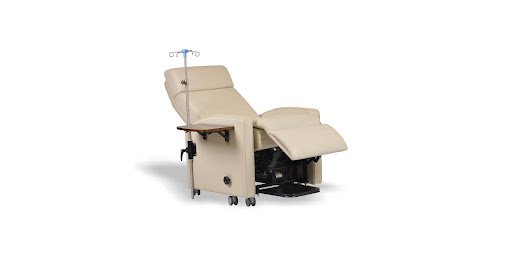
Blood sampling is a routine yet clinically sensitive procedure that demands precision, stability, and patient cooperation. While technique and equipment are often discussed, seating plays an equally critical role in ensuring accurate outcomes. Poor seating design can increase patient discomfort, trigger involuntary movement, and disrupt procedural efficiency, directly affecting sample quality and patient safety. In contrast, thoughtfully engineered seating supports correct posture, minimizes physical strain, and creates a controlled environment for both patients and clinicians. A high-quality Blood Collection Chair is not merely a furnishing but a functional clinical tool that influences safety, workflow consistency, and patient trust. When seating is designed with clinical intent, it reduces variability during procedures, supports ergonomic working positions, and contributes to smoother, more reliable blood sampling processes across diverse healthcare settings.
This article examines the essential functional seating features required for safe and precise blood sampling, focusing on practical design elements that directly impact procedural accuracy.
1. Postural Stability and Body Alignment Support
Maintaining correct posture during blood sampling is essential for minimizing patient movement and ensuring consistent procedural accuracy, making seating stability a foundational requirement rather than a comfort add-on.
- Structured backrest geometry: A clinically contoured backrest supports the natural curvature of the spine, helping patients maintain a stable seated posture throughout the sampling process. Proper alignment reduces muscle tension and involuntary shifting, which are common causes of needle displacement during venipuncture. A fixed yet supportive back structure ensures consistency across patient profiles.
- Seat depth and height calibration: Accurate seat proportions allow patients’ feet to rest flat on the floor, promoting balance and reducing pressure points. When the lower body is properly supported, upper-body stillness improves significantly. This stability directly contributes to procedural precision and reduces the likelihood of repeated needle insertions.
- Weight distribution engineering: Even distribution of body weight across the seating surface prevents localized discomfort that can cause restlessness. Stable weight support is essential during blood sampling, where even minor movements can compromise accuracy and safety.
2. Arm Positioning and Access Control Mechanisms
Effective blood sampling relies heavily on precise arm positioning, where seating must support controlled access to veins while keeping the patient relaxed and physically stable throughout the procedure.
- Adjustable arm support systems: Armrests designed with controlled adjustability allow clinicians to position the patient’s arm at an optimal height and angle. This ensures clear vein visibility and consistent access without requiring patient effort. Precision arm positioning is fundamental to successful blood sampling procedures.
- Secure arm stabilization surfaces: Non-slip, padded arm surfaces help maintain arm stillness during needle insertion and collection. Stabilization minimizes tremors and reflex movements, which are particularly common in anxious or first-time patients. This feature enhances both patient comfort and procedural reliability.
- Unobstructed clinician access: A well-designed blood collection chair allows healthcare professionals to approach the patient from appropriate angles without obstruction. Clear access supports ergonomic working postures, reducing clinician fatigue and maintaining steady hand control throughout the procedure.
3. Safety-Oriented Structural Integrity
Structural safety in clinical seating is critical to preventing sudden shifts, instability, or patient distress, especially during procedures that demand sustained stillness and clinician focus.
- Reinforced frame construction: A robust internal frame ensures seating stability under repeated use and varying patient weights. Structural rigidity prevents micro-movements that could disrupt needle placement. Durable construction is essential for maintaining long-term procedural consistency.
- Controlled recline and locking functions: Seating equipped with limited, lockable recline options provides an added safety layer for patients prone to dizziness. Controlled movement ensures patient security without compromising procedural access, particularly in prolonged sampling sessions.
- Anti-slip base and floor contact design: A stable base prevents unintended chair movement during patient positioning or clinician interaction. Secure floor contact is critical in high-traffic clinical environments, where even minor instability can introduce procedural risk.
4. Hygiene, Maintenance, and Clinical Compliance
In blood sampling environments, seating must meet strict hygiene and compliance standards, as material choices and construction quality directly influence infection control and long-term usability.
- Non-porous surface materials: Medical-grade upholstery resists fluid absorption and supports rigorous sanitation protocols. Easy-to-clean surfaces reduce contamination risks and maintain compliance with healthcare hygiene standards, especially in high-volume sampling areas.
- Seamless upholstery construction: Minimized seams and joints prevent the accumulation of biological debris. This design choice simplifies cleaning routines and enhances long-term hygiene performance, ensuring the seating remains suitable for continuous clinical use.
- Resistance to disinfectants and wear: Materials engineered to withstand frequent exposure to disinfectants retain their integrity over time. Durability under cleaning stress is essential for facilities seeking reliable seating solutions that meet regulatory expectations.
5. Workflow Efficiency and Clinical Adaptability
Beyond patient support, functional seating must integrate seamlessly into clinical workflows, enabling healthcare professionals to operate efficiently while accommodating a wide range of patient needs.
- Rapid adjustability features: Quick-adjust mechanisms allow clinicians to configure seating efficiently between patients. Reduced setup time improves throughput without compromising accuracy, particularly in diagnostic centers handling high patient volumes.
- Compact yet functional footprint: Space-efficient design supports better room organization while maintaining full functional capability. Optimized dimensions enable smooth movement around the patient, enhancing clinician efficiency and procedural flow.
- Adaptability for diverse patient needs: Seating that accommodates varied body types and mobility levels ensures inclusive care delivery. Adaptable design reduces the need for alternative equipment, supporting consistent procedural standards across patient demographics.
Final Thoughts
Safe and precise blood sampling depends on more than technique alone. Seating design directly influences patient stability, clinician ergonomics, and overall procedural reliability. Features such as postural support, arm stabilization, structural safety, hygienic materials, and workflow adaptability collectively define effective clinical seating. These blood donation chairs enhance accuracy while reinforcing patient confidence and operational efficiency.
Those seeking dependable, precision-focused seating solutions can explore professionally designed medical furniture at Esthetica Medical Furniture, where clinical functionality, ergonomic design, and long-term durability are thoughtfully integrated. At Esthetica Medical Furniture, each seating solution is engineered to support patient stability, procedural accuracy, and efficient clinical workflows.