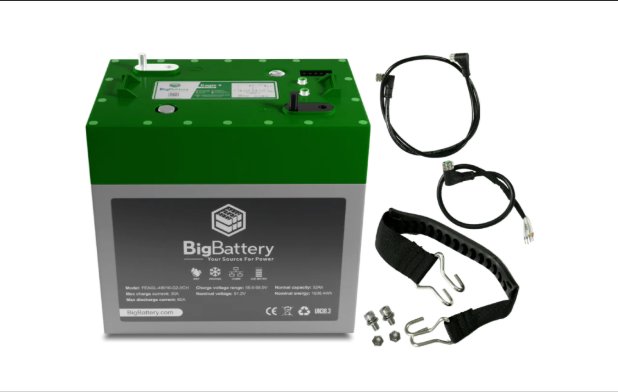
When preparing for life on the road, having reliable power is one of the most important considerations for RV travelers. A high-quality battery for RV camper setups ensures you can enjoy all the conveniences of modern living while exploring remote destinations. From running lights and appliances to charging electronics, the correct battery directly impacts your comfort, safety, and overall travel experience. However, not all RV batteries are created equal, and understanding what makes one stand out can help you make a smarter investment.
Below, we’ll cover the top ten features to prioritize when choosing a battery for your RV camper so you can hit the road with confidence.
Why Battery Choice Matters in RV Adventures
Before diving into specific features, it’s worth noting that RV life demands unique power solutions. Unlike car batteries that focus on quick bursts of power, RV batteries must deliver steady, long-lasting energy for multiple systems simultaneously. This makes durability, efficiency, and storage capacity essential factors.
Battery Type: Lithium vs. Lead-Acid
The first decision you’ll face is battery type. Lithium batteries are lighter, last longer, and recharge faster compared to traditional lead-acid batteries. While they’re more expensive upfront, many campers consider them the most cost-effective choice in the long run.
Capacity and Amp-Hour Rating
Capacity, measured in amp-hours (Ah), indicates the amount of energy the battery can store. Higher-capacity batteries allow you to run more appliances for longer periods. For extended boondocking trips, a large amp-hour rating is crucial.
Weight and Portability
Weight can significantly affect your RV’s fuel efficiency and handling. Lithium batteries generally weigh less than lead-acid, making them easier to install and transport if needed.
Charging Speed
Quick charging is essential for adventurers who don’t want to waste time waiting. Lithium batteries often have superior charging efficiency, which means you can restore power faster when hooked to solar panels or shore power.
Lifespan and Cycle Count
Battery life is measured in cycles—the number of times it can be charged and discharged. Lithium batteries typically last between 2,000 and 5,000 cycles, far surpassing the 300–500 cycles of standard lead-acid options.
Maintenance Requirements
Some batteries require regular water checks and equalizing charges, while others are virtually maintenance-free. Lithium batteries are the easiest to maintain, while flooded lead-acid batteries demand more attention.
Temperature Tolerance
If you plan to travel through diverse climates, choose a battery that performs well in both hot and cold conditions. Many lithium models now include built-in heating systems for cold-weather use.
Safety Features
Modern RV batteries often come with built-in safety protections, such as overcharge, short circuit, and thermal safeguards. These features not only protect your battery but also enhance your overall travel safety.
Compatibility with Solar Systems
With more RVers investing in solar panels, it’s essential to ensure your battery is compatible with solar charging systems. Lithium batteries, in particular, are highly efficient with solar setups, making them a popular choice for eco-conscious travelers.
Cost vs. Value
While upfront costs are essential, the actual value lies in durability and performance over time. Spending more initially on a reliable battery often saves money by reducing the frequency of replacements and ensuring uninterrupted adventures.
Conclusion
The correct RV camper battery living is more than just a power source—it’s a foundation for comfort, independence, and safe travel. By focusing on key features like capacity, lifespan, temperature tolerance, and solar compatibility, you can select a battery that fits your unique travel style and long-term needs.
For those who want additional backup power on longer journeys, pairing a dependable battery with an electric generator of 3000 watts can provide extra peace of mind. Together, they ensure your RV remains powered whether you’re parked at a campsite or venturing off-grid.