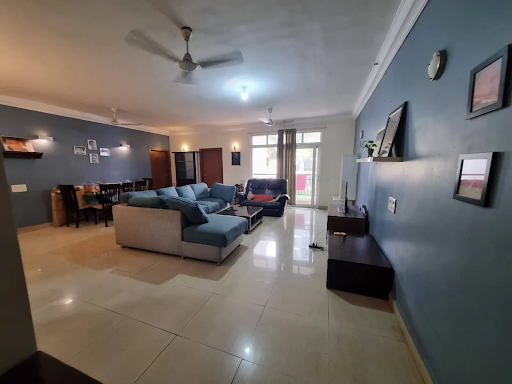
Moving to an Indian city can bring education and employment opportunities, but housing consumes a large share of a monthly budget. Rent, utilities, transport, furniture, and maintenance all add to the cost of living independently. For students, young professionals and people relocating for work, sharing a home can make urban life more manageable.
With shared accommodation in Bangalore, residents can divide housing costs and responsibilities, avoid duplicate purchases and consider neighbourhoods that might otherwise be difficult to afford.
Sharing Rent and Household Expenses
Rent is often the largest housing expense. Residents agree how to divide it, considering room size, privacy, facilities and occupancy. Someone with a private bedroom may pay a different share from someone sharing a room. Discuss the split before committing.
Electricity, water, internet, cooking gas, and maintenance can also be divided equally or by usage. Record the arrangement, payment dates, and responsibility for each bill to prevent disagreements and keep receipts accessible.
Sharing furniture, appliances and kitchen essentials avoids duplicate purchases. Agree on who owns jointly bought items and what happens when someone moves out.
Making Well-Connected Neighbourhoods More Accessible
The cheapest room is not always the most economical. A distant home adds travel expenses and time. Sharing can make a better-connected location attainable because residents divide its cost.
Compare rent, transport and utilities, alongside access to public transport, work, colleges, shops and healthcare. People comparing co-living spaces in Bangalore should check whether housekeeping, internet, furniture and maintenance are included or charged separately. Request a written cost breakdown.
Choosing a Compatible Shared Home
Affordability also depends on compatibility. Discuss room allocation, visitors, quiet hours, cooking, cleaning, storage and common areas. Work schedules and routines affect how comfortably residents share a home.
Inspect bedrooms, bathrooms, kitchen fittings, ventilation, water, electrical points and common spaces. Confirm approved occupancy, repair responsibility, and how maintenance issues are reported.
Check who holds keys, how entry is managed, and whether contact details are protected. Clear visit arrangements help residents communicate without unnecessary exposure of personal information.
Verify the Property and Rental Agreement
Confirm the owner’s identity and authority to rent. Review ownership or authorisation documents and verify that the rent collector is entitled to receive payment. Do not rely only on photographs or verbal assurances.
Before paying a deposit, read the agreement. Check parties, premises, rent, deposit, duration, notice, permitted occupants, bills, repairs and refund conditions. Check local rent agreement registration rules and retain the signed copy and receipts.
Those assessing flats for sale need separate due diligence, including relevant RERA details, title documents, encumbrance records, and stamp duty. These ownership checks differ from rental checks but reinforce the need to verify claims before paying.
Understand Every Payment Before Committing
Calculate the initial expenses, including the security deposit, maintenance, utilities, furnishing and applicable service fees. Check which payments are refundable, whether additional charges may apply and request written confirmation before making any payment.
For individuals exploring affordable housing options, knowing the applicable service charges is equally important when comparing different arrangements. Homish charges a one-time fee of ₹499 for its shared housing service. Rental transactions have a separate fee structure, with seven days’ rent charged from both the tenant and owner after the deal closes.
How Homish Approaches Trust and Property Discovery
Platforms like Homish focus on verified property information and direct connections between owners and customers. Its approach includes ownership and document checks, in-person audits and visit support, helping people assess whether accommodation and its provider are genuine.
Homish does not allow brokers to list properties, any broker listings are deactivated.Properties that fail the verification process are delisted. This approach helps reduce misleading listings and gives people greater confidence when exploring shared accommodation.
It also describes masked phone numbers, with direct communication facilitated through authorised visits and confirmed offers. Its team supports site visits and monitors listing authenticity to improve accountability and protect customers’ privacy.
Avoid Costs Created by Poor Property Discovery
Advertised rent rarely reflects the complete cost of finding housing. The way a home is found can affect its final cost. An online listing may offer a large catalogue, but duplicate or misleading entries can waste time and visits. Some services collect subscription fees before a transaction, while an offline intermediary may charge a substantial commission. Residents should understand who is involved, what a service costs, and whether the person showing the property is authorised to represent its owner.
These concerns make transparent property discovery and reliable support essential. Homish contrasts these models with a pay-on-success approach for property transactions, rather than upfront charges for visits or listings. It describes verified inventory, on-the-ground audits and online support, bringing digital discovery together with physical assistance. Its privacy approach avoids selling customer data or using contact details for spam.
Build a Realistic Shared-Living Budget
Plan beyond the first payment. Budget for rent, utilities, groceries, transport, supplies, and unexpected repairs. Agree how shared purchases are approved, and expenses settled when someone leaves. Keep payment records and communicate changes early.
Agree on notice, replacement occupants, deposit settlement, outstanding bills, and jointly purchased items. Regular conversations can prevent small misunderstandings from becoming costly disputes.
Conclusion
Living with roommates offers a practical way to manage urban living expenses. Choosing shared accommodation in Bangalore can help individuals divide rent, utility bills and household responsibilities while accessing convenient neighbourhoods. With compatible residents, clear rental agreements and proper budgeting, individuals can enjoy a comfortable living experience. Evaluating location, facilities, privacy and affordability makes relocating to a new city easier and more manageable.
Finding a suitable home requires trust, clarity and reliable support. Homish helps people explore housing options through verified property information, direct owner connections, and visit assistance. Their service for finding shared homes carries a fee of ₹499. For rental transactions, seven days’ rent is charged from both the tenant and owner after the deal closes. With transparent terms and property checks, Homish supports more informed housing decisions.