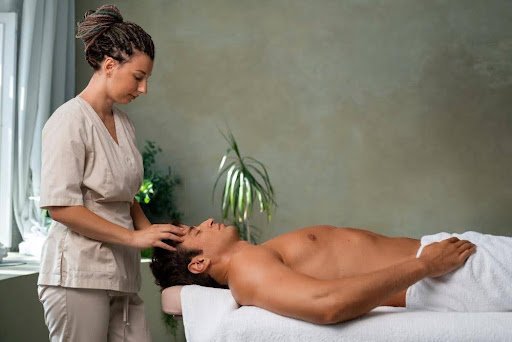
A busy day can leave the body carrying tension long after work has ended. Hours at a desk, repetitive movements, limited stretching, and daily responsibilities can gradually affect flexibility and physical comfort. Traditional wellness practices offer a structured way to address these effects by combining movement, pressure, stretching, and relaxation. A professional body massage Thai spa experience can help individuals understand the value of purposeful recovery while creating time to slow down and reconnect with their physical well-being.
The Foundations of Thai Wellness
Traditional Thai massage has developed through generations of wellness knowledge. Its techniques involve more than simply applying pressure to muscles. Assisted stretching, rhythmic movements, and focused pressure are used together to encourage relaxation and mobility.
The approach views the body as an interconnected system. Instead of concentrating only on one uncomfortable area, practitioners may work across different regions to encourage a more balanced physical experience.
This makes Thai massage particularly interesting for people who want a wellness practice that combines relaxation with active bodywork.
Role of Assisted Stretching
Stretching is one of the most recognizable elements of traditional Thai massage. Unlike ordinary stretching routines, assisted techniques allow the therapist to guide movements while the recipient remains relaxed.
These movements can encourage greater flexibility in muscles and joints. This may be particularly useful for people whose daily routines involve prolonged sitting or limited physical activity.
Better flexibility can make everyday movements feel smoother. Simple activities such as bending, reaching, walking, and changing positions may become more comfortable when the body maintains a healthy range of motion.
Pressure Techniques And Muscle Tension
Muscles can become tense because of stress, repetitive movement, exercise, or prolonged static positions. Thai massage uses controlled pressure to address areas where tension has accumulated.
The intensity should always remain appropriate for the individual’s comfort. Professional therapists can adjust pressure according to sensitivity, physical condition, and personal preferences during a Thai massage treatment.
As muscles gradually relax, people may experience a greater sense of physical ease. The process also encourages individuals to become more aware of areas that repeatedly hold tension during everyday activities.
Supporting Mobility In Sedentary Lifestyles
Modern work environments often involve long periods of sitting. Computer-based tasks can encourage people to remain in the same position for hours, affecting the neck, shoulders, back, and hips.
Thai massage can complement an active lifestyle by incorporating movement and stretching into the wellness experience. Rather than leaving the body completely passive, the techniques encourage controlled mobility.
This can help individuals pay closer attention to how they move and where stiffness tends to develop. Regular movement breaks alongside professional wellness sessions can create a more balanced approach to physical care.
Breathing And The Relaxation Response
Physical techniques are only part of the Thai wellness experience. Breathing and relaxation also influence how the body responds during a session.
When individuals slow their breathing and become more comfortable, the nervous system can shift toward a calmer state. This may reduce the feeling of being constantly alert and create a stronger sense of mental relaxation.
Combining controlled movement with calm breathing can make the experience feel more immersive. It gives the mind an opportunity to step away from schedules, notifications, and everyday responsibilities.
Circulation And Physical Recovery
Healthy circulation plays an important role in normal muscle function and recovery. Massage techniques that involve rhythmic pressure and movement may encourage blood flow through soft tissues.
Improved circulation helps deliver oxygen and nutrients to muscles while supporting the body’s natural recovery processes. This can be especially relevant after periods of physical activity or prolonged inactivity.
Massage should not be viewed as a replacement for medical treatment when circulation problems are present. Instead, professional wellness care can complement healthy habits such as movement, hydration, adequate rest, and appropriate exercise.
Adapting Techniques To Individual Needs
Every body responds differently to pressure and stretching. A technique that feels comfortable for one person may not feel appropriate for another.
Professional care therefore requires communication. Guests should explain areas of sensitivity, previous injuries, preferred pressure levels, and any discomfort before the session begins.
A skilled therapist can then adapt movements and pressure accordingly. This creates a more comfortable experience while allowing the Thai massage treatment to focus on individual wellness goals rather than following a rigid routine.
From Temporary Relief To Better Awareness
A single session may provide noticeable relaxation, but the broader value of Thai massage can come from increased body awareness. People often begin to recognize how certain habits affect their physical comfort.
For example, someone may realize that shoulder tension becomes stronger after several uninterrupted hours at a computer. Another person may notice stiffness after skipping regular movement.
This awareness can encourage practical changes such as taking walking breaks, adjusting workstation posture, stretching during the day, or improving sleep routines.
Creating A Balanced Recovery Routine
Professional massage works best when it forms part of a wider wellness routine. It should complement, rather than replace, healthy lifestyle practices.
Regular physical activity keeps the body moving, while sufficient sleep supports recovery. Balanced nutrition provides essential nutrients, and hydration supports normal bodily functions. Massage can fit alongside these habits as an additional opportunity for relaxation and physical care.
The goal is not to depend on one therapy for every wellness need. Instead, combining different healthy practices creates a more sustainable approach to long-term well-being.
Conclusion
Traditional Thai wellness offers a distinctive approach to modern body recovery by combining assisted stretching, controlled pressure, movement, and relaxation. These techniques can support flexibility, mobility, body awareness, and stress management when delivered appropriately. A body massage Thai spa experience can complement these practices by providing a structured setting for relaxation and physical recovery.
The most meaningful benefits come when professional care is combined with healthy daily habits. Regular movement, adequate rest, balanced nutrition, and mindful recovery can work together to support long-term well-being.
For those looking to experience traditional techniques in a comfortable and professionally managed setting, Sweet Spa and Massage provides a welcoming environment where relaxation and thoughtful wellness care come together.