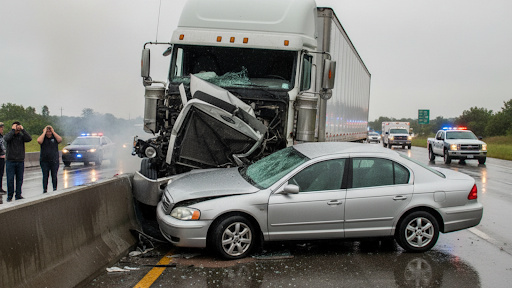
Being involved in a truck accident can be a life-altering experience. When serious injuries or property damage occur, the aftermath can be overwhelming, especially if you’re faced with a lawsuit. Understanding how to navigate the legal process is crucial for anyone involved in a commercial truck accident.
In this guide, we’ll walk you through the key steps and legal options available when handling a truck accident lawsuit.
7 Key Steps To Handle A Truck Accident Lawsuit
1. Essential Actions to Take Immediately
When you’re involved in a truck accident, your priority should always be safety. Here are the initial steps you should take:
- Call Emergency Services: Immediately contact the police and emergency services. This is important for both medical attention and filing an official accident report.
- Seek Medical Attention: Even if you feel fine, it’s essential to get checked out by a medical professional. Injuries from truck accidents can often be hidden or develop over time.
- Gather Evidence: Collect evidence at the scene by taking photos, exchanging witness contact details, and noting the truck’s license plate and company information.
- File a Police Report: A police report is key to your case. It provides an official account of the accident, which can help support your claims later on.
2. Hiring the Right Lawyer
Once you’ve handled the immediate aftermath, it’s time to hire a lawyer. A skilled truck accident attorney will help you navigate the complexities of the lawsuit. Here’s what to look for:
- Experience with Truck Accidents: Truck accident cases are more complex than typical car accidents. Hire a lawyer who specializes in truck accidents and understands trucking regulations.
- Reputation and Track Record: Choose a lawyer with a proven history of success in commercial truck accident cases.
- Free Consultation: Many lawyers offer a free initial consultation. Use this time to discuss your case and understand their approach.
3. Determining Liability in a Truck Accident Lawsuit
One of the most crucial aspects of a truck accident lawsuit is determining who is at fault. In a truck accident, several parties could be responsible, including:
- The Truck Driver: If the driver was negligent, distracted, or violated traffic laws, they might be held liable for the accident.
- The Trucking Company: The company that owns the truck may be responsible if the driver was under pressure to meet unrealistic deadlines, or if the company failed to maintain the truck properly.
- Third Parties: Other third parties, like maintenance companies or cargo loaders, could also be at fault if their actions contributed to the accident.
Understanding who is liable in your case is key to pursuing the right legal action. A skilled lawyer will help identify all potential parties responsible for the accident.
4. What Does Settlement Mean in a Truck Accident Case?
As the case progresses, you might be presented with a settlement offer. But what does settlement mean in a truck accident case?
In simple terms, a settlement is an agreement between the parties involved, where one party (usually the insurance company or defendant) agrees to pay a sum of money to the victim in exchange for dropping the lawsuit.
Settling a case is often faster and less expensive than going to trial. However, it’s important to ensure the settlement offer fully covers your medical bills, lost wages, and pain and suffering. This is where your lawyer plays a crucial role in evaluating whether the settlement offer is fair.
5. Truck Accident Lawsuit Settlements
Truck accident lawsuit settlements can vary widely, depending on the severity of injuries, damages, and fault. The goal is to get compensation for medical expenses, lost income, and emotional distress. However, commercial truck accident settlements can sometimes be more complicated because multiple parties are involved.
When you’re negotiating a settlement, it’s important to keep in mind the long-term effects of your injuries. For example, if you’re dealing with a permanent disability or ongoing medical care, the settlement should reflect that. Your lawyer will ensure that you’re not rushed into a quick settlement that doesn’t adequately cover your needs.
6. The Litigation Process: Going to Court
If a fair settlement can’t be reached, your case may go to trial. Here’s what to expect during litigation:
- Pre-Trial Preparation: Your lawyer will gather evidence, speak with witnesses, and prepare arguments to support your case.
- Trial: If the case goes to trial, both sides will present their case in front of a judge or jury, who will then decide the outcome.
- Appeals: If either party is unhappy with the verdict, they may file an appeal. This can lengthen the process but offers an opportunity for a second chance.
It’s important to be prepared for the possibility of trial, though many cases are settled before it gets that far.
7. Negotiating Fair Compensation
When dealing with a truck accident lawsuit, one of your primary goals is to ensure fair compensation. Compensation can cover:
- Medical Expenses: This includes past and future medical bills related to the accident.
- Lost Wages: If you’re unable to work due to your injuries, you can claim compensation for lost income.
- Pain and Suffering: This can be harder to quantify, but it includes emotional distress, physical pain, and loss of quality of life.
- Property Damage: This includes the cost of repairing or replacing your vehicle.
Having an experienced attorney ensures that you receive compensation that fully addresses all aspects of your case.
Final Thought
Handling a truck accident lawsuit can be complex, but knowing your legal options is essential for a fair resolution. From the initial steps to negotiating commercial truck accident settlements, every stage requires attention. With the right lawyer and a clear understanding of your rights, you’ll be better positioned to secure fair compensation.
If a settlement isn’t reached, be prepared for litigation. Staying informed will help you make the best decisions throughout the process.