Flooring doesn’t always need to come in broad, continuous rolls or fixed formats. In many modern interiors, flexibility matters just as much as durability. That’s where natural sisal tiles come into the picture. They bring the same strength and texture of traditional sisal, but with a modular approach that fits both home and office environments more dynamically.
In Australian spaces—where layouts vary from open-plan homes to evolving office setups—this kind of adaptability offers a clear advantage.
What Makes Sisal Tiles Different
At their core, natural sisal tiles are made from the same agave-based fibres used in traditional sisal carpets. The difference lies in how they’re structured and installed.
Instead of a single continuous surface, sisal is cut and finished into individual tiles. These tiles are then arranged across the floor, creating a uniform look while allowing for flexibility in installation and maintenance.
This modular format changes how flooring behaves over time. Rather than replacing an entire area due to wear or damage, individual sections can be addressed without disrupting the whole space.
That alone makes a noticeable difference in both home and office settings.
A Practical Solution for Changing Spaces
In both residential and professional environments, spaces don’t always stay the same. Furniture shifts, layouts evolve, and certain areas experience more use than others.
Natural sisal tiles respond well to this kind of change.
At home, they can be used to define zones within open-plan layouts. Living areas, dining spaces, and work corners can be subtly separated without introducing different materials.
In office environments, the benefits become even more clear. Workspaces often change as teams grow or reorganise. Sisal tiles allow for sections to be replaced or adjusted without redoing the entire floor.
This flexibility supports long-term use without creating unnecessary disruption.
Durability That Holds Its Structure
Like all sisal-based flooring, the strength of natural sisal tiles comes from the fibre itself. The tightly woven structure resists flattening, even in areas with regular movement.
In both home and office environments, this translates to:
- Consistent surface appearance over time
- Reduced wear in high-use zones
- A stable base for furniture and foot traffic
Tiles placed in entryways, corridors, or frequently used areas maintain their form without showing heavy wear patterns.
This makes them particularly suitable for spaces where durability is not optional.
Aesthetic That Works Across Interiors
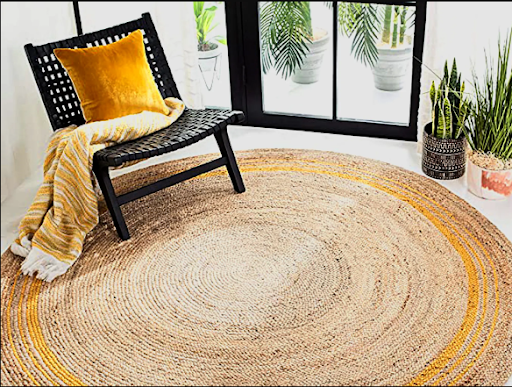
Visually, natural sisal tiles maintain the same understated appeal as traditional sisal. The tones remain within a neutral spectrum—soft beiges, sandy shades, and light earthy colours.
This allows them to integrate easily into different design styles.
In homes, they support:
- Minimalist interiors
- Coastal-inspired spaces
- Natural, material-focused designs
In offices, they align well with:
- Clean, professional environments
- Modern, open workspaces
- Interiors that avoid visual clutter
The tiled format can also introduce subtle pattern variations depending on how the tiles are arranged. Without using bold designs, it’s possible to create a sense of structure within the flooring itself.
Comfort and Underfoot Experience
Sisal tiles offer the same firm, textured feel as traditional sisal carpets. They are not soft, but they provide a stable and grounded surface.
In areas where people are walking, standing, or moving regularly, this firmness becomes beneficial. It reduces compression and helps maintain a consistent surface.
At home, this works well in living areas and hallways. In office settings, it supports spaces where chairs, desks, and movement are constant.
For areas where additional comfort is needed, layering remains an option. Rugs or softer surfaces can be added without affecting the base structure.
Climate Considerations in Australia
As with any natural fibre, climate plays a role in how sisal performs.
Natural sisal tiles are best suited to:
- Dry or moderately humid environments
- Well-ventilated indoor spaces
Because sisal can absorb moisture, it’s important to avoid placing it in areas exposed to frequent water or damp conditions.
In both home and office environments, maintaining airflow helps preserve the integrity of the tiles. When used in the right conditions, they remain stable and durable.
Maintenance and Long-Term Practicality
One of the biggest advantages of sisal tiles is how they simplify maintenance.
Routine care is straightforward. Regular vacuuming keeps the surface clean, and dirt typically remains on top of the fibres rather than embedding deeply.
The modular format adds another layer of practicality. If a section becomes worn or damaged, it can be replaced individually rather than removing the entire floor.
In office settings, where downtime can be costly, this becomes especially valuable. At home, it reduces the need for large-scale replacements.
Moisture management remains important. Spills should be handled quickly to prevent absorption.
How Sisal Tiles Age Over Time
Floorspace Sisal tiles age in a way that reflects use rather than damage. Over time, slight variations in tone may appear, and the fibres may soften slightly.
Because the flooring is divided into tiles, this ageing can be managed more effectively. Sections that experience heavier use can be replaced or rotated if needed.
This helps maintain a consistent appearance across the space without requiring a full replacement.
A Considered Material Choice
Sisal is a natural, renewable material, which makes it a thoughtful option for those looking to reduce reliance on synthetic flooring.
The use of tiles can also contribute to reduced waste. Instead of discarding an entire carpet, only specific sections need to be replaced when necessary.
For both homeowners and businesses, this adds a layer of practicality to the material’s environmental appeal.
Where Natural Sisal Tiles Work Best
Natural sisal tiles are particularly effective in spaces where flexibility and durability are priorities.
In homes, they suit:
- Open-plan living areas
- Hallways
- Home offices
In office environments, they are ideal for:
- Workstations
- Meeting rooms
- Areas with changing layouts
They are less suited for wet areas or spaces requiring a soft, cushioned surface.
Using them in the right context ensures they perform as intended.
A Flexible Approach to Flooring
Natural sisal tiles offer something that traditional flooring often doesn’t—adaptability. They combine the strength of sisal with a format that responds to how spaces change over time.
In both home and office environments, this flexibility becomes a practical advantage. It allows flooring to evolve without losing its core function.
For Australian interiors that value durability, simplicity, and long-term usability, sisal tiles provide a grounded, structured solution that fits naturally into everyday life.
Floorspace shares practical, experience-driven insights to help homeowners choose suitable flooring solutions.