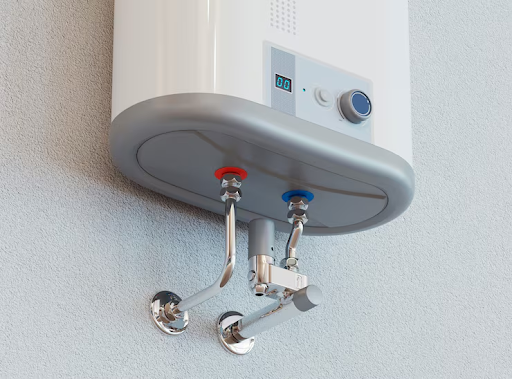
Cold morning showers mean water heater repair Simi Valley professionals need immediate attention. Whether you’re experiencing no hot water, strange noises, discolored water, or leaking tanks, understanding water heater issues helps you communicate problems effectively to technicians. This guide covers diagnostic indicators, repair vs. replacement decisions, and maintenance to prevent emergency breakdowns in Simi Valley’s subtropical climate.
Common Water Heater Problems in Simi Valley
No Hot Water (Most Frequent Issue)
Causes and solutions:
- Thermostat failure: Setting misalignment or sensor degradation prevents heating element activation (repair: $150-300)
- Sediment buildup: Hard water minerals accumulate on tank bottoms, insulating heating elements and reducing efficiency (flushing: $200-400)
- Failed heating element: Electric water heater elements fail after 8-15 years of continuous use (replacement: $300-600)
- Gas control valve malfunction: Prevents burner ignition in gas units (replacement: $400-800)
Professional diagnosis uses temperature testing, pressure relief valve assessment, and visual inspection to determine whether repair restores function or replacement proves more economical.
Discolored or Foul-Smelling Water
Brown, rusty water indicates internal tank corrosion or anode rod deterioration. The anode rod (sacrificial magnesium) protects tank walls but corrodes itself, requiring replacement every 3-5 years. Neglecting anode maintenance accelerates tank rust, creating holes requiring complete replacement.
Rotten egg odors signal sulfate-reducing bacteria thriving in tank sediment. Professional flushing removes bacterial colonies; persistent odors may require tank replacement with chlorine treatment.
Leaking Water Heaters
Leak sources:
- Drain valve failure: Most common, repairable ($50-150)
- Temperature & pressure relief valve: Safety discharge indicates excessive pressure/temperature (replacement: $100-250)
- Tank perforation: Rust penetration creates irreversible holes (replacement required: $1,200-2,500)
Even small leaks demand immediate attention; 1 gallon-per-hour leaks waste 8,760 gallons yearly, increasing utility costs $50-100 monthly while accelerating structural water damage.
Noise (Popping, Rumbling, Hissing)
Noise indicators:
- Sediment cracking: Mineral deposits crack under heating, creating popping sounds (flushing resolves)
- Steam formation: Excessive temperature causes steam pockets (thermostat adjustment)
- Water hammer: Pressure surges create loud banging (expansion tank installation: $200-400)
Repair vs. Replacement Decision Framework
Repair Economics
Repair makes sense if:
- Unit age < 8 years
- Repair cost < 50% replacement cost
- Problem isolated to single component
Example: 6-year-old tank, failed heating element ($500 repair) vs. $2,000 replacement = repair justified
Replacement Economics
Replacement recommended if:
- Unit age > 10 years (efficiency declines 30%+)
- Repair cost > 50% replacement cost
- Tank corrosion evident (rust discoloration, pinhole leaks)
Modern efficiency gains: New Energy Star units reduce heating costs 10-15% annually, offsetting replacement investment within 5-7 years.
Water Heater Types: Repair Implications
Traditional Tank Water Heaters (40-60 gallons)
Repair frequency: 1-2 repairs per 5 years, typical
Lifespan: 8-12 years
Failure pattern: Gradual decline (sediment buildup, element degradation)
Tank units provide an affordable entry cost ($800-1,500) but occupy significant space, require regular maintenance, and eventual replacement.
Tankless Water Heaters
Repair frequency: 1 repair per 8 years (fewer components)
Lifespan: 15-20 years
Common issues: Mineral scaling (flushing: $150-300), flow sensor failure (replacement: $400-700)
Higher upfront cost ($2,000-4,000) offsets through durability, space savings (wall-mounted), and energy efficiency (30% reduction vs. tank units).
Seasonal Considerations for Simi Valley Water Heaters
Summer Efficiency
High ambient temperatures reduce heating load, allowing smaller units to meet demand. Some homeowners lower water heater temperature 5-10°F during summer (98-105°F vs. 120°F winter), saving 8-12% energy.
Humidity Impact on Gas Units
Florida’s 70-90% humidity accelerates combustion chamber corrosion in gas water heaters. Annual professional inspection includes corrosion assessment and combustion efficiency testing ensuring safe operation.
Preventive Maintenance Extending Lifespan
- Annual anode rod inspection (replacement every 3-5 years, $100-200)
- Quarterly flushing (removes sediment, $150-300 annually)
- Temperature testing (ensures 120-125°F optimal)
- Pressure valve testing (annual safety check)
- Gas burner inspection (gas units, annual cleaning)
Homeowners investing $300-500 annually in maintenance prevent $1,500+ emergency replacements.
Conclusion
Professional water heater repair Simi Valley services diagnose issues accurately, determining whether repair or replacement optimizes long-term value. Understanding common problems, replacement economics, and seasonal considerations empowers informed decisions. Regular maintenance extending system lifespan 2-4 years proves cost-effective compared to reactive emergency replacements during peak demand periods.