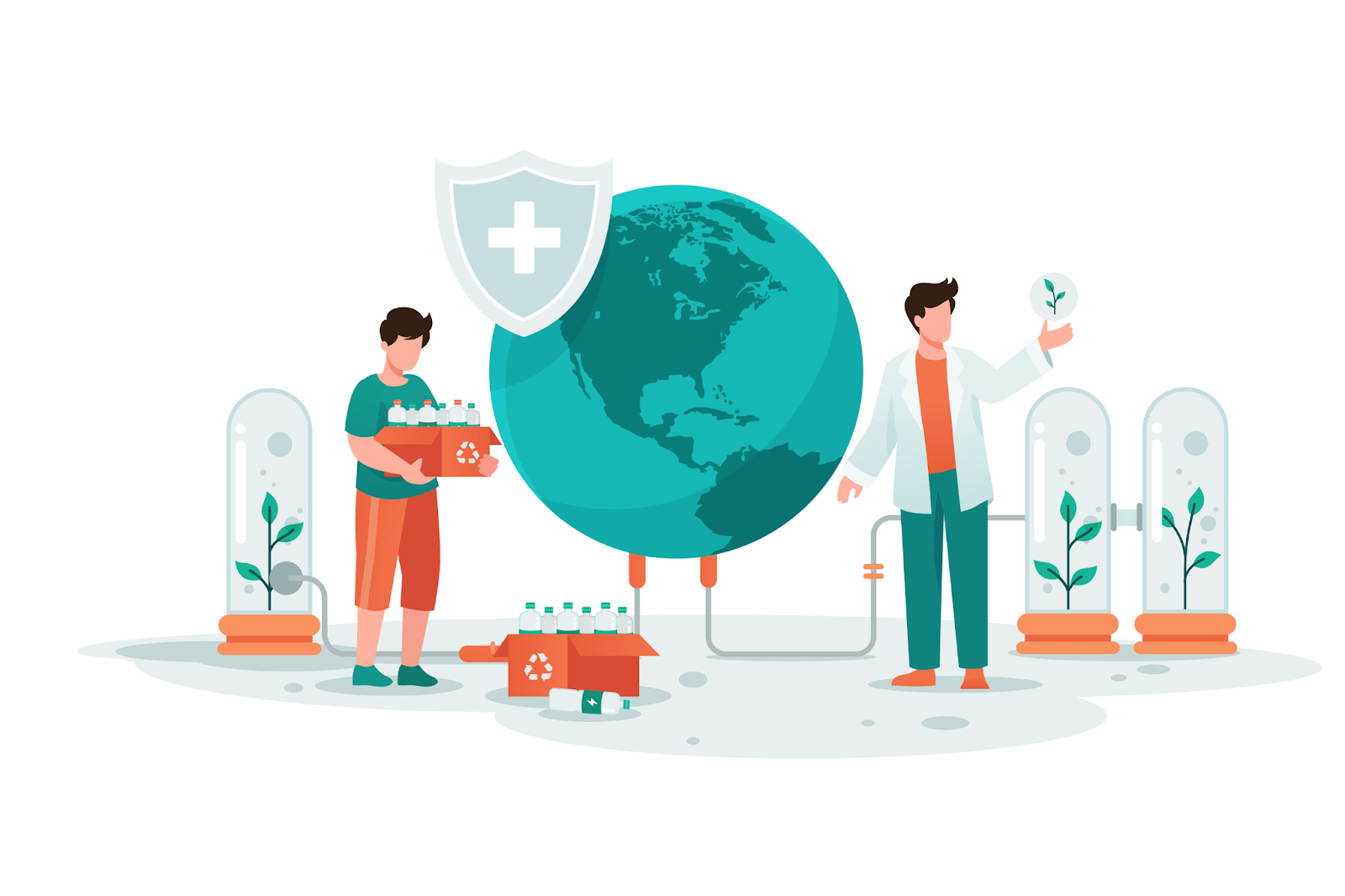
Modern organizations are operating in an environment where environmental uncertainty directly influences financial stability, operational continuity, and strategic credibility. Climate-related disruptions are no longer isolated incidents; they are systemic pressures shaping how businesses plan, invest, and govern. As regulatory expectations tighten and stakeholders demand measurable accountability, companies are being pushed to treat climate considerations as a structured business discipline rather than an ethical afterthought. This shift reflects a broader realization that unmanaged climate exposure can undermine growth, resilience, and reputation.
By embedding climate risk management, organizations can protect value while positioning themselves for long-term relevance in an evolving economic landscape.
Strategic Governance Is Expanding Beyond Traditional Risk Models
Climate considerations are increasingly shaping how organizations define governance responsibilities at the highest level.
- Board-level accountability is becoming essential: Senior leadership is now expected to understand how climate variables influence enterprise-wide risk exposure. Boards are integrating climate oversight into governance agendas alongside financial and operational risks. This elevated responsibility strengthens strategic control, transparency, and long-term organizational resilience.
- Risk ownership is shifting across functions: Climate-related risk is no longer managed by sustainability teams in isolation. Core business functions such as finance, procurement, operations, and compliance are sharing accountability. This cross-functional ownership enables more accurate risk assessment and coordinated decision-making.
- Policy alignment is driving internal discipline: Organizations are formalizing policies to align with evolving regulatory and disclosure expectations. Clear internal frameworks translate external requirements into practical governance controls. This disciplined alignment improves consistency, accountability, and audit readiness across operations.
Together, these shifts are redefining governance as a proactive system capable of managing long-term climate exposure with discipline and clarity.
Financial Planning Requires Climate-Adjusted Assumptions
Financial strategies are evolving as climate-related variables begin to influence long-term value creation and capital security.
- Capital allocation decisions are being reassessed: Investment planning now considers climate exposure alongside traditional financial performance indicators. Factors such as asset lifespan, geographic vulnerability, and regulatory cost projections are influencing priorities. This reassessment helps protect capital value while supporting more resilient long-term investments.
- Insurance and financing conditions are evolving: Financial institutions are integrating climate exposure into underwriting and lending criteria. Organizations with structured climate risk management practices are viewed as lower-risk counterparts. This maturity improves access to competitive insurance coverage and sustainable financing options.
- Scenario analysis is improving forecast reliability: Organizations are modeling multiple climate scenarios to understand potential financial impacts. This analysis tests resilience under different risk conditions and time horizons. As a result, forecasts become more realistic and less dependent on static assumptions.
By embedding climate-aware assumptions into financial planning, organizations can strengthen resilience and improve decision confidence.
Operational Resilience Is Becoming a Competitive Differentiator
Operational continuity is now closely linked to an organization’s ability to anticipate and adapt to climate-driven disruptions.
- Supply chain continuity is under closer scrutiny: Climate-related disruptions are increasingly affecting supplier reliability and logistics performance. Organizations are mapping critical dependencies to identify vulnerabilities across the value chain. This visibility supports contingency planning and reduces the risk of operational interruptions.
- Infrastructure planning is adapting to environmental stress: Facilities and assets are being assessed for exposure to extreme weather and climate variability. Design and maintenance strategies are evolving to address temperature shifts and resource limitations. Proactive adaptation lowers downtime risks and controls long-term operational costs.
- Data-driven monitoring supports faster response: Organizations are using real-time data to track climate-related performance indicators. Early detection of emerging risks enables quicker and more informed responses. This agility strengthens operational resilience and limits disruption-related losses.
Organizations that prioritize resilience gain a measurable advantage in reliability, efficiency, and stakeholder trust.
Market Expectations Are Redefining Corporate Credibility
External stakeholders are increasingly evaluating businesses based on how responsibly they address climate-related risks.
- Investors are prioritizing climate-informed governance: Investment evaluations increasingly consider how effectively organizations manage climate exposure. Clear governance frameworks demonstrate risk awareness and disciplined decision-making. This transparency strengthens investor confidence and supports long-term valuation.
- Customers are linking trust to responsible practices: Customer perception is influenced by how credibly environmental risks are addressed. Structured risk management signals accountability and operational integrity. This approach enhances brand trust and reinforces competitive market positioning.
- Talent attraction is influenced by risk maturity: Skilled professionals are drawn to organizations that demonstrate long-term responsibility. Clear climate governance reflects foresight and leadership commitment. This credibility strengthens employer appeal in an increasingly values-driven workforce.
As expectations rise, credibility is earned through consistent, transparent, and well-governed risk management practices.
From Compliance Obligation to Business Intelligence
Climate reporting is no longer viewed solely as a regulatory requirement but as a source of strategic insight.
- Regulatory reporting is becoming a strategic input: Organizations are moving beyond treating disclosures as routine compliance exercises. Reporting outputs are now analyzed to identify operational gaps and emerging risks. This shift enables continuous improvement and more informed strategic planning.
- Standardized frameworks improve decision quality: Consistent methodologies allow meaningful comparison of risks across business units and regions. Standardization improves data reliability and reduces subjective interpretation. As a result, climate data is converted into actionable and decision-ready intelligence.
- Continuous improvement strengthens adaptability: Organizations are using climate insights as dynamic inputs rather than static conclusions. Strategies are refined as new data and conditions emerge. This adaptive approach supports long-term relevance and organizational resilience.
When used effectively, climate data becomes a powerful tool for improving adaptability and long-term performance.
Conclusion
Climate-related challenges are reshaping how organizations define risk, responsibility, and resilience. What was once viewed as a sustainability concern is now recognized as a core discipline influencing governance, finance, operations, and market trust. Businesses that integrate climate considerations into structured decision-making and adopt practical climate action solutions are better equipped to navigate uncertainty and protect long-term value.
KBS Certification Services Ltd. is a global leader in validation, verification, certification, auditing, and sustainability services across Quality, Health, Safety, Social-Environmental Management, and Climate Change. Accredited by prominent international bodies and active in 60+ countries, KBS Certification Services Ltd delivers trusted third-party assurance, ISO certification, training, and climate solutions with integrity and technical excellence, helping organizations strengthen compliance, transparency, and long-term business resilience.