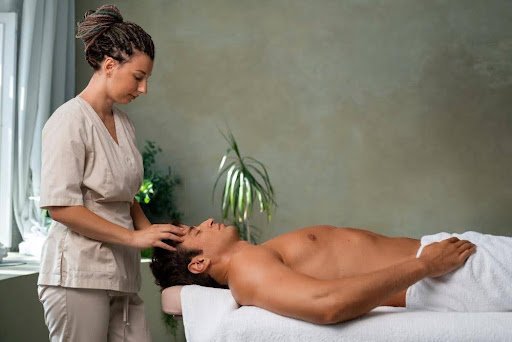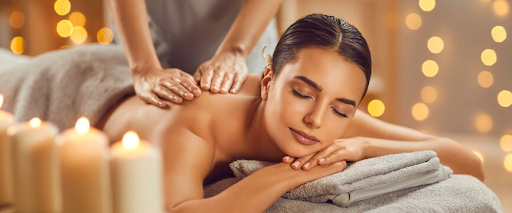
In a city known for luxury and wellness, the pursuit of relaxation and holistic care has become a central part of daily life. Among the various wellness options, massage in Dubai provides a gateway to deeper calm and physical renewal, combining traditional techniques with modern therapeutic methods. Bodywork plays a crucial role in relieving tension, improving circulation, and restoring overall balance. Within the wide array of treatments available, one approach stands out for its effectiveness and depth: Thai massage. This distinctive style merges gentle stretching, pressure point stimulation, and mindful movement to deliver a full-body rejuvenation that addresses both physical discomfort and mental fatigue.
Understanding the Origins of Thai Massage
Thai massage is rooted in ancient healing traditions that predate many modern therapeutic practices. Its lineage is traced through centuries of cultural and spiritual development, making it more than just a physical treatment.
Thai massage origins are linked to traditional healthcare systems that focus on the harmony between body, mind, and energy. Practitioners use a blend of stretching, pressure points, and rhythmic motion to stimulate energy pathways. This holistic approach distinguishes Thai massage from conventional therapies, emphasizing not only muscle relief but also overall wellness and mental clarity.
-
Historical Roots in Healing Traditions
Thai massage is believed to have originated over 2,500 years ago from Indian ayurvedic medicine and Southeast Asian healing practices. It incorporates spiritual elements that view healing as a whole‑body process. These traditional foundations influence the techniques and principles still used today, providing a rich cultural context to the experience.
-
Influence of Meditation and Mindfulness
Meditation principles are deeply woven into Thai massage. Therapists focus not just on physical manipulation but on creating a mindful, present‑moment atmosphere. This fusion helps calm the nervous system, encouraging mental relaxation that enhances the treatment’s physical benefits.
-
Energy Lines and Therapeutic Touch
A defining feature of Thai massage is its focus on energy lines called “Sen.” Practitioners use manual pressure and assisted stretching along these lines to promote energy flow and balance. This combination is designed to support both circulation and a deeper sense of bodily alignment.
-
Blending Cultural Wisdom with Modern Practice
Though rooted in ancient tradition, Thai massage has evolved through cultural exchange and modern wellness trends. Today’s practitioners integrate traditional knowledge with contemporary understanding of the body, creating a synthesis that feels both soothing and effective.
-
Evolution Over Time
Over centuries, Thai massage techniques have been refined and adapted. Training standards and therapeutic practices have developed globally, ensuring that today’s experience is safe, informed, and tailored to individual needs while preserving its historic essence.
Physical Benefits of Thai Massage for the Body
Thai massage is more than relaxation; it targets physical tension, flexibility, and circulation. Its systematic approach helps the body release stiffness and recover from the accumulations of daily strain.
Unlike passive treatments that only address superficial discomfort, Thai massage integrates movement and pressure that works deeply into muscles and connective tissue. By incorporating assisted stretching and mobilization, it encourages greater range of motion, increases nutrient flow to muscles, and helps flush out metabolic waste. Over time, these physical benefits support improved mobility and a stronger sense of physical well‑being.
-
Improved Flexibility and Range of Motion
Through guided stretching and dynamic positioning, Thai massage gently elongates muscles and opens joints. This enhanced flexibility helps reduce risks of strain and injury during daily activities or exercise. Regular sessions can significantly improve overall mobility.
-
Enhanced Circulation
The rhythmic pressure and stretches used in Thai massage stimulate blood flow throughout the body. Better circulation brings nutrients and oxygen to tissues more efficiently, aiding recovery and promoting a feeling of lightness and vitality.
-
Reduced Muscle Tension and Pain
By applying pressure to tight muscle groups and trigger points, Thai massage helps release knots and stiffness. This reduces both acute and chronic muscular discomfort, supporting everyday comfort and improved posture.
-
Balanced Nervous System Response
The unique combination of pressure and movement provides a soothing effect on the nervous system. This helps reduce chronic tension responses, contributing to a calmer physical state and less sensitivity to stress‑induced pain.
-
Improved Posture and Body Awareness
Thai massage’s attention to alignment and muscular balance encourages greater body awareness. This can translate to improved posture over time, reducing strain from repetitive habits or sedentary lifestyles.
When to Incorporate Thai Massage Into a Wellness Routine
For lasting benefits, Thai massage can be scheduled regularly as part of a self‑care plan. It works well alongside other therapies and enhances long‑term well‑being.
Whether weekly, biweekly, or monthly, consistent sessions support flexibility, stress management, and vitality. By aligning bodywork with personal wellness goals, individuals can experience sustained rejuvenation and improved quality of life.
-
Weekly Self‑Care Rituals
Incorporating Thai massage weekly helps maintain muscular health, emotional balance, and mental calm. A routine approach ensures ongoing support and deeper cumulative benefits.
-
Post‑Workout Recovery Sessions
Athletes often integrate Thai massage after intense training. The stretching and circulatory support help soothe muscle fatigue and accelerate recovery.
-
Stress Breaks During Busy Weeks
During high‑stress periods, scheduling a session midweek offers a reset for the nervous system. This helps sustain energy levels and performance momentum.
-
Pre‑Event Relaxation Treatment
Before long travel, presentations, or celebrations, Thai massage provides grounding and calm, helping individuals show up feeling centered and refreshed.
-
Complementary to Yoga & Meditation
For those practicing yoga or meditation, Thai massage enhances flexibility and increases body‑mind awareness, deepening the overall holistic journey.
Conclusion
Thai massage is regarded as the ultimate rejuvenation because it blends ancient wisdom, mindful movement, and therapeutic precision into one transformative experience. Its ability to relieve physical tension, calm the mind, and restore energetic balance makes it a cherished choice among holistic therapies. Whether seeking deeper relaxation, improved flexibility, or emotional calm, Thai bodywork offers a multi-dimensional path to wellness.
Among the trusted providers,Summer Pearl Spa & Massage stands out for its serene environment, professional therapists, and attention to client needs. Their approach emphasizes personalized treatments, modern hygiene standards, and comfort at every step. For those seeking true renewal, Thai massage in Dubai at Summer Spa provides both rejuvenation and harmony for body and mind.
For More Info Visit:- inhuff.com