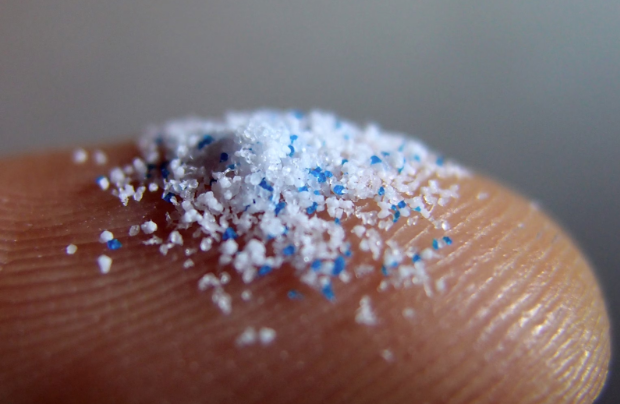
Plastic has become an inseparable part of modern life, but its persistence in the environment has created a growing concern for human health. One of the most troubling developments is the discovery of microplastics in food, raising urgent questions about how these particles make their way from discarded plastic waste to our dinner plates. Scientists have now found microplastics in seafood, table salt, bottled water, fruits, vegetables, and even processed foods. Because humans consume food daily, the presence of microplastics represents a continuous, low-level exposure that may carry long-term risks.
To understand the scale of the problem, it is important to look at the pathways through which microplastics travel from oceans, rivers, soil, and air into the foods we eat. From marine life to agricultural practices, packaging, and processing, each step in the food chain plays a role in this hidden contamination.
Pathways from the Environment to the Plate
Below are the main routes by which microplastics in food can travel from the broader environment (like oceans, soil, or air) into what we eat.
1. Marine Life and Seafood
Seafood is one of the most studied pathways. Marine organisms—from plankton to fish and shellfish—ingest microplastics present in water or in their food. These particles can accumulate up the food chain. Humans consuming seafood (especially shellfish where soft tissues are eaten whole) ingest the microplastics those animals have accumulated.
A recent study found microplastics in nearly 99% of seafood samples from Oregon, highlighting how pervasive this contamination has become.
2. Water Sources: Drinking Water, Tap and Bottled
Water bodies—rivers, lakes, groundwater—collect plastic pollution via runoff, waste leakage, wastewater discharges, and rainfall. These microplastics can survive water treatment processes and then reach households via tap water or bottled water. This contributes to microplastics in food via cooking, washing produce, or direct consumption.
3. Soil and Agriculture
Microplastics can enter soil through several mechanisms:
- Use of sewage sludge (treated or untreated) as fertilizer. Sludge may contain microplastics from human waste or household products.
- Irrigation with contaminated water.
- Degraded plastic mulch, packaging, or other plastic debris in fields breaking down into smaller particles.
Once in the soil, microplastics can adhere to or be taken up (or at least come into contact with) crops — vegetables, fruits, grains — especially in root zones or via aerial deposition of particles settling from air.
4. Airborne Deposition
Studies indicate that microplastics are airborne: fibers from textiles, dust from plastic degradation, particles from synthetic material wear. These particles can settle on food either in outdoors or indoor settings (e.g., in kitchens, during food processing). Airborne microplastics can also be inhaled, but that is a separate pathway.
5. Food Processing and Packaging
Even after harvest or catch, food often undergoes processing, packaging, shipping, storage and cooking. Each step is a potential introduction point for microplastics:
- Plastic films, containers, nets, trays or packaging materials may shed plastic fragments or fibers.
- During industrial processing, plastic machinery parts, belts, or water used might contribute contaminants.
- Cooking in plastic containers (especially under heat) or using utensils can leach small plastic particles.
Some studies of salt, sugar, honey, and other processed food items show that the packaging or processing stages add to contamination levels, though environment-origin microplastics tend to dominate.
Factors Affecting the Level of Microplastics in Food
What determines how much microplastic ends up in our food include:
- Particle size, shape, and polymer type: Smaller particles (including nanoplastics, even smaller than microplastics) may pass more easily through filters, or be more readily absorbed by organisms.
- Proximity to pollution sources: Coastal areas, river mouths, urban run-off zones tend to have higher concentrations.
- Waste management and regulation: Regions with weak controls on plastic disposal, wastewater treatment, industrial discharge tend to have more leakage of microplastics.
- Dietary habits: Amount of seafood consumed, preference for unprocessed or minimally processed foods, how food is washed/prepared—all affect exposure.
What Research Has Found: Examples & Impacts
- A 2018 review showed presence of microplastics in seafood and other foodstuffs globally, meaning continuous human exposure to microplastics in food.
- Another recent research piece (2025) examined “microplastic migration and transformation pathways,” confirming that microplastics accumulate in aquatic organisms and can move up food chains.
- In lab animal studies, microplastics have been shown to cross intestinal barriers, migrate into organs (like liver, kidney, brain), potentially causing metabolic, immune, or oxidative stress impacts.
Implications for Human Health
Though many uncertainties remain (especially threshold levels, long-term accumulation, effects of different types of plastics, etc.), some potential health implications include:
- Local inflammation or oxidative stress in the gut.
- Potential for plastics to carry absorbed toxic chemicals (e.g. pesticides, heavy metals, persistent organic pollutants), which may then be released in the body.
- Effects on metabolism, immune responses. Animal studies suggest altered metabolic pathways.
What You Can Do to Reduce Exposure
- Choose seafood wisely (e.g. species less likely to accumulate microplastics, avoid consuming whole shellfish if concern).
- Limit use of plastic packaging and plastic containers for storing and heating food.
- Wash produce thoroughly; use non-plastic utensils and surfaces where possible.
- Reduce consumption of processed foods where possible.
- Support better waste management, buying products with minimal plastic or using alternatives.
Conclusion
The journey of microplastics from the environment—oceans, soil, air—into our plates is complex and multi-faceted. Microplastics in food arrive via marine life, contaminated water, soil, air, processing, and packaging. While science is still uncovering the full extent of impacts on human health, the evidence points toward real risks from long-term exposure. Being aware of the pathways offers ways to reduce exposure in daily life. As technology advances, perhaps tools designed originally for entirely different purposes—for example, a sleep tracking device—may provide dual-use insights, such as detecting subtle metabolic or physiological changes that alert to environmental contaminants, including microplastics.