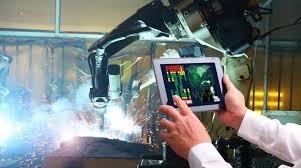
One of the most imperative processes in the automotive manufacturing industry is welding. Welded joints are the foundation of structural integrity, whether it be assembly of chassis frames or even the supply of fuel tanks. Automotive products would not be as durable, safe, and efficient without the accurate welding. Even the smallest welding defects may result in recalls, accidents, or expensive repairs, so inspection is indispensable.
With the development of automotive design in terms of lighter materials and more complex assemblies, the significance of strict inspection increases. Welding is also used to unite not only metal with metal, but also to maintain the highest standards of quality of all vehicles. Consequently, it is crucial to learn the ways of incorporating inspection into the automotive manufacturing to both manufacturers and suppliers.
Understanding Welding Inspection in Manufacturing
Welding Inspection can be described as the systematic assessment of welds with the aim of determining their quality, strength, and industry standards. It is used in visual and non-destructive testing techniques, which include ultrasonic testing, radiographic testing, or magnetic particle testing. These techniques identify flaws such as cracks, porosity or partial fusion which may not be seen with the naked eye.
Through inspection measures, manufacturers are in a position to detect and rectify faults in welding processes before a car reaches the customer. This proactive solution would guarantee the reliability of the product, warranty claims, and the risk of safety problems in the road. To put it briefly, inspection is not a luxury procedure but a quality control element in the automotive manufacturing process.
The Connection Between Welding Inspection and Automotive Quality Control
Welding accuracy is a key element to automotive quality control in modern manufacturing. The structural safety of a vehicle relies on the quality and accuracy of the welds. This implies that inspection is the linkage between engineering design and safety of end-users. Ensuring that welds have high quality standards, manufacturers can remain at the level of requirements of international regulations and customer expectations.
Welding inspection incorporated in quality control systems will enable one to monitor production processes continuously. This synergy maintains that the flaws in welding work are detected in real-time, saving on re-work and defective vehicles rolling out of the factory floor. The interdependence between the two practices is why inspection is essential in protecting the brand reputation and consumer trust.
Benefits of Implementing Rigorous Welding Inspection
The benefits of rigorous checking of welding are not just safety.
- Early fault identification helps manufacturers to save the cost that is involved in rework, scrap and warranty. Increased product reliability also occurs through inspections, and results in better customer satisfaction and lowering the likelihood of recalling products which will harm a brand image.
- Further, the inspection is used to adhere to international automotive standards like ISO/TS 16949 and IATF 16949. This conformity does not only open up international markets, it also gives the customers confidence that the vehicles they buy are of the best safety standards.
- Finally, stringent inspection leads to operational excellence and competitiveness in the market.
Role of Technology in Enhancing Welding Inspection
Welding inspections are being transformed by automation and artificial intelligence. By use of the automated systems, real-time checking of the welds can be done, thereby minimizing human error but enhancing consistency. The data of the welding is analyzed with the help of AI algorithms, the possible defects are predicted, and some corrective measures are suggested to ensure the quality.
Robotic inspection systems are also gaining popularity particularly in large-scale automotive assembly. These systems can inspect welds at a very high pace and are also accurate to the highest level. Through the use of technology, manufacturers will be able to synchronize inspection with Industry 4.0 practices, which will result in efficiency and accuracy.
Welding Inspection and Supplier Collaboration
Global supply chains are also an important aspect in automotive manufacturers and therefore, collaboration with suppliers. It is also important to make sure that the suppliers adhere to rigid welding inspection practice to ensure that the components arrive at the final assembly line meeting quality expectations. Periodic audits and shared inspection initiatives assist in aligning the supplier operations with those of the manufacturer.
With the encouragement of teamwork, manufacturers decrease the variability of weld quality and enhance the overall efficiency of production. This is a method of maintaining quality control even outside the factory ensuring that the whole supply chain produces one standard level. Risks that come with outsourcing are also reduced through supplier alliances that are founded on inspection and accountability.
Future Trends in Welding Inspection for Automotive Quality
The future of inspection in automotive production is shifting to a higher level of automation, real-time analytics, and intelligent sensors. The inspector might soon be aided by technologies such as augmented reality, which will add the defect data directly on the weld, allowing the inspector to be more accurate and spend less time on inspection. The machine learning models will also be more sophisticated and will be able to foresee the impact of the welding defects prior to them happening.
With the increase in the number of electric vehicles and lightweight materials, inspection methods will require changing according to the new forms of welding or laser or friction stir welding. Such innovations will transform the inspection requirements, but will also introduce possibilities of greater efficiency and improved safety results. The digitalization process of welding inspection will keep it on the level of automotive quality control.
Conclusion:
The inspection on welding assures safety, reliability, and adherence of all the vehicles that come out of the production line to international standards. Inspection ensures that the quality of the welds supports structural integrity as well as confidence of the customer by closing the divide between design and production. Otherwise, the safety, brand reputation, and financial performance risks are too high.
The importance of inspection will only increase as the automotive industry advances further with new innovations. Since supplier collaboration and AI-enhanced testing are merely a portion of the excellence in automotive quality control, the inspection of welding will continue to be significant. To manufacturers, these practices are not merely a compliance measure, it is a pledge towards safety, innovation, and successful longevity.