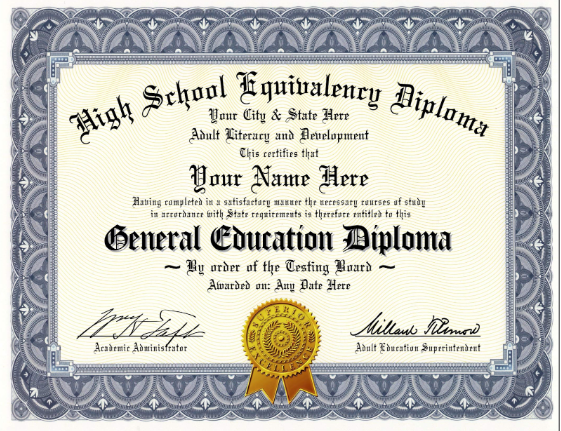
In today’s world, many individuals seek alternative ways to replace lost or damaged educational documents, and one of the most commonly discussed options is a fake GED certificate. While it cannot legally replace a real diploma, people often use it for novelty purposes, as props for film and theater productions, or as personal keepsakes. The quality of such documents largely depends on the materials used during printing, which play a significant role in making them look realistic and durable.
Why Materials Matter in Printing
When it comes to replicating any official-looking document, the materials chosen are just as important as the design itself. Paper, ink, and finishing touches work together to create an authentic look. A poorly printed diploma on standard printer paper will immediately stand out as fake, while a well-prepared copy on high-quality stock with the correct design elements can appear much closer to the real thing. For this reason, the durability and realism of a fake GED diploma depend on careful material selection.
Choosing the Right Paper Stock
The foundation of any document, especially a fake GED certificate, is the paper stock. Most authentic diplomas and certificates are printed on thicker, heavier paper than what you would find in an office printer. Typically, parchment-style paper or heavyweight cardstock between 24 lb. and 32 lb. provides the most realistic texture and weight.
Additionally, parchment paper often comes with subtle fibers or patterns that mimic the look of official records. This added detail can make a fake diploma look far more convincing. Color is also important—off-white, cream, or ivory shades are most often used to replicate authentic certificates.
High-Quality Printing Techniques
The choice of printing method significantly impacts how durable and realistic a fake GED diploma appears. Inkjet printers may work for simple designs, but professional-grade laser printing is preferred for sharp lines and long-lasting print quality. Laser printers use toner that adheres to the surface more effectively, preventing smudging and fading over time.
For even greater authenticity, embossing or raised printing can be added to mimic the texture of genuine seals and lettering. While these features are more advanced, they significantly enhance the overall presentation of the certificate.
The Role of Seals and Stamps
Most diplomas and certificates, whether real or novelty, include some form of seal or stamp to denote legitimacy. In a fake GED certificate, these are purely decorative, but they play a crucial role in realism. Seals may be printed in metallic gold or silver foil, or created using embossing techniques to add texture.
Using foil stamping ensures that the seal has a reflective, shiny appearance similar to that of authentic government or school-issued certificates. A well-placed decorative seal not only adds to the aesthetic but also improves durability since foil stamping does not easily wear off.
Lamination for Durability
Durability is another key factor for people seeking a fake GED diploma for keepsake or display purposes. Laminating the finished document helps preserve its condition by protecting against moisture, smudges, and tears. It also adds weight and stiffness, making the certificate feel more substantial.
Alternatively, some people choose protective document covers or folders, often similar to the ones used by educational institutions. These holders not only protect the document but also make the presentation look more professional.
Typography and Design Details
While materials provide the foundation, design details bring a fake GED certificate to life. Fonts, layout, and text size should closely mimic those used in real certificates. Using professional design software can ensure accurate spacing, alignment, and font selection.
Watermarks are another optional feature that enhances realism. Though they cannot be identical to government or school marks, custom-designed watermarks printed lightly across the page add depth and credibility to the final product.
The Importance of Professional Printers
Many people attempt to create a fake GED diploma at home but are disappointed by the results. Professional printers specializing in novelty or replacement documents have access to higher-quality paper, foil stamping, and embossing tools that go beyond what a standard home office setup can achieve.
For those who value durability and authenticity in appearance, professional services often provide better outcomes. These services typically invest in materials that closely resemble the original, ensuring the document withstands wear over time.
Common Uses for Replica Certificates
It is important to note that a fake GED certificate should never be used in place of an authentic diploma for employment, education, or legal purposes. Instead, most people purchase them for novelty uses such as gifts, replacements for personal collections, or props for movies, plays, and TV shows. Others may display them at home as keepsakes if they’ve misplaced the original and want something symbolic until they obtain an official replacement.
Final Thoughts
When it comes to printing a fake GED certificate, the choice of materials can make all the difference between a flimsy, unrealistic document and one that appears polished, authentic, and durable. High-quality parchment-style paper, professional-grade printing, metallic seals, embossing, and lamination all work together to create a convincing replica suitable for novelty use.
A well-crafted fake GED diploma offers not only realism but also longevity, ensuring it remains intact whether framed, laminated, or stored in a protective cover. With careful attention to paper, ink, and finishing touches, individuals can obtain a durable replica that serves as a valuable keepsake or display item.