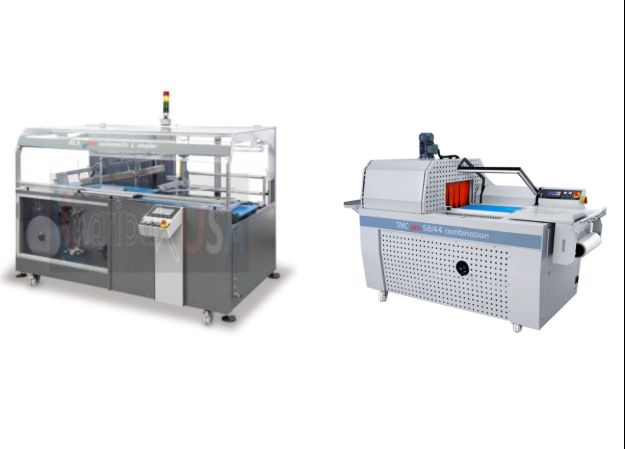
Shrink packing machines are widely used in manufacturing and logistics to protect products during storage and transportation. These machines wrap products in a heat-sensitive film that shrinks tightly around the item, ensuring a secure and professional-looking package. The efficiency and quality of shrink packing largely depend on various factors, including machine settings, product size, and, importantly, the film thickness used.
Film thickness refers to the gauge or micrometer measurement of the shrink film. Selecting the appropriate thickness for a shrink packing machine is essential for achieving optimal performance, reducing waste, and ensuring product safety.
The Role of Film in Packaging
Shrink film serves multiple purposes:
- Protection: It shields products from dust, moisture, and minor impacts during handling and shipping.
- Stability: Proper film tension keeps items securely grouped, especially for multipacks.
- Presentation: Shrink film enhances the appearance of products, giving them a polished, retail-ready look.
Using the correct film thickness is crucial to maintain these benefits. Too thin a film may tear or fail to shrink properly, while excessively thick film can increase costs and require higher machine settings.
Effects of Film Thickness on Machine Performance
1. Shrink Time and Temperature
The thickness of the shrink film directly affects the time and temperature required for proper shrinking. Thicker films need more heat and longer exposure, which can slow down production if the machine is not adjusted accordingly. Conversely, thinner films shrink quickly but may not provide adequate protection or stability. Proper calibration ensures consistent results without damaging products or reducing throughput.
2. Film Handling and Machine Strain
Thicker shrink films are more durable but can put additional strain on rollers, conveyors, and feeding mechanisms. Over time, using an incorrect film thickness may increase wear and tear on the wrap machine, leading to maintenance issues and potential downtime. Choosing the right gauge balances machine performance and product protection.
3. Product Security and Integrity
Film thickness affects how tightly the package conforms to the product. Too thin a film may result in loose packaging, while overly thick film can create excessive tension, potentially damaging delicate items. Correct film selection ensures products remain secure and intact, maintaining both safety and customer satisfaction.
4. Cost Efficiency
Using thicker film than necessary increases material costs, while too thin a film may lead to product damage and returns. Selecting the appropriate film thickness maximizes cost-efficiency while maintaining packaging quality. Many manufacturers conduct tests to determine the ideal balance for their specific product lines.
5. Adaptation to Product Types
Different products require different film thicknesses. Heavy or irregularly shaped items may need thicker film for durability, whereas lightweight, uniform items can be adequately wrapped with thinner film. Understanding the characteristics of your products helps optimize machine settings and ensure consistent packaging quality.
Best Practices for Managing Film Thickness
- Test Runs: Conduct initial tests with various film gauges to determine optimal performance.
- Calibrate Heat Settings: Adjust temperature and conveyor speed according to film thickness to avoid under- or over-shrinking.
- Monitor Equipment: Regularly inspect rollers, conveyors, and sealing mechanisms for wear caused by incorrect film usage.
- Balance Cost and Quality: Select a film thickness that protects products effectively while minimizing material costs.
Conclusion
Film thickness plays a vital role in the performance of a shrink packing machine. It affects shrink time, machine strain, product security, and overall cost-efficiency. Selecting the appropriate film gauge ensures consistent, high-quality packaging while maintaining machine longevity and production speed.
By understanding how different film thicknesses interact with your equipment, manufacturers can optimize their packaging process, reduce material waste, and prevent product damage. Investing in the right film for your products not only improves packaging reliability but also enhances operational efficiency. For businesses seeking top-tier packaging solutions, integrating proper film thickness management alongside advanced wrap machine technology can significantly elevate production outcomes and customer satisfaction.