On physically demanding job sites, safety, comfort, and durability aren’t just preferences— they’re non-negotiable. From construction zones to manufacturing plants, workers need gear that performs under pressure. One essential element of this gear is workwear pants, which are specifically engineered to withstand harsh environments while supporting worker performance.
These pants provide a layer of protection while allowing flexibility and breathability, making them a critical part of daily operations across various industries.
What Makes Workwear Pants Different?
Unlike standard casual or dress pants, workwear pants are built with functionality and safety in mind. Every feature—from the fabric to the pocket layout—caters to the needs of physically active workers.
Key features of high-quality workwear pants:
- Reinforced seams and heavy-duty stitching
- Durable fabrics like canvas or cotton blends
- Abrasion and tear resistance for long-term use
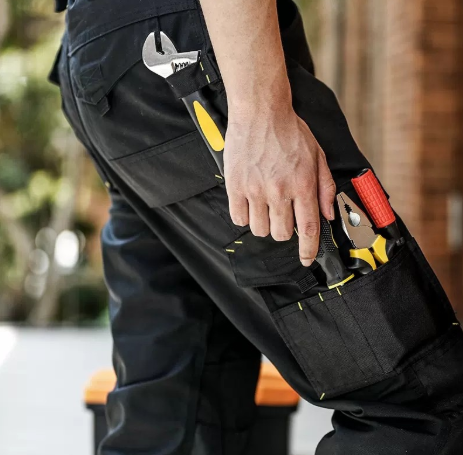
- Multiple utility pockets for tools and equipment
- Adjustable waists or stretch zones for better mobility
These details can make a significant difference in daily performance and job satisfaction.
The Importance of Safety and Protection
A major reason why workwear pants are preferred on job sites is the safety protection they offer. Whether it’s shielding from sharp tools, sparks, or rough surfaces, these pants act as a buffer between workers and potential hazards.
Protective benefits:
- Reduce the risk of cuts and scrapes from sharp materials
- Provide heat and chemical resistance when needed
- Offer protection against minor impacts or falls
- Comply with workplace safety regulations
- Enhance visibility when combined with reflective strips
By offering these advantages, workwear pants play a direct role in minimizing workplace injuries.
Enhancing Mobility and Performance
Flexibility and ease of movement are just as important as protection. Workers spend long hours on their feet, squatting, lifting, and navigating tight spaces. Poorly designed pants can hinder mobility and increase fatigue.
Performance features include:
- Ergonomic cuts to support natural movement
- Stretch panels or gussets in high-movement areas
- Breathable fabric that reduces overheating
- Lightweight yet tough materials for extended wear
- Secure fasteners to keep pants in place
These features collectively support better posture, reduce discomfort, and increase productivity on the job.
Application Across Industries
Workwear pants are versatile enough to be used in a wide range of sectors. From logistics to construction and mechanical work, different industries rely on specially designed pants tailored to their field’s specific requirements.
Common sectors using workwear pants:
- Construction and infrastructure
- Mining and industrial trades
- Landscaping and outdoor services
- Warehousing and logistics
- Automotive and mechanical repair
Each industry values durability, comfort, and compliance with health and safety guidelines.
Choosing the Right Pair for the Job
Selecting the ideal workwear pants depends on several factors, including the type of work, climate, and personal comfort. Some may need high-visibility features, while others might require extra padding or flame resistance.
Things to consider:
- Fabric weight and durability level
- Number and placement of pockets
- Weather resistance and breathability
- Compliance with local jobsite safety standards
- Fit preferences: relaxed, tapered, or slim
Spending time on the right selection helps ensure long-lasting comfort and utility.
Conclusion
Durable, protective, and purpose-built, workwear pants remain a crucial element of jobsite apparel. They offer the strength needed to face physically demanding tasks while supporting freedom of movement and professional appearance. Brands like King Gee workwear continue to set the standard in providing high-performance options that help workers feel prepared and protected every day.