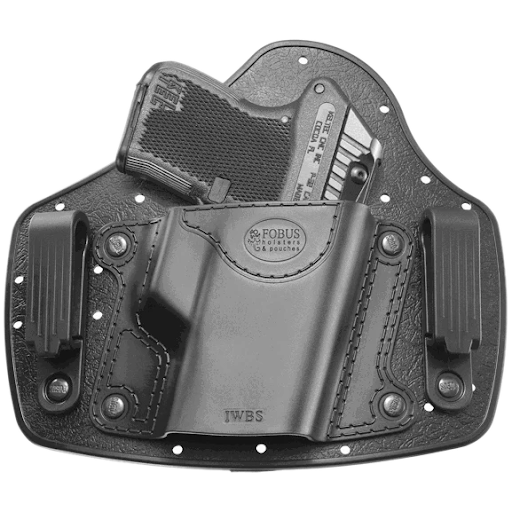
Carrying a concealed firearm demands careful consideration, especially when comfort, accessibility, and concealment are top priorities. Holsters are a crucial part of any concealed carry setup, and selecting the right one can significantly influence your daily routine and overall safety. Among the many options available today, the IWB holster (inside-the-waistband) is one of the most popular choices for discreet, reliable carry. Designed to be worn inside the waistband of pants, it offers a balanced combination of concealment and control, ideal for those who prioritize stealth and mobility.
What to Look for in an IWB Holster
Not all IWB holsters are created equal. Your choice should depend on your firearm model, daily activity level, and personal preferences. Factors such as material, retention, and draw angle can affect both comfort and safety.
Key Considerations:
- Material: Leather, Kydex, or hybrid constructions
- Retention system: Passive or active retention mechanisms
- Ride height: Position of the holster inside the waistband
- Cant angle: Degree of tilt for optimal draw
- Clip strength: Ensures the holster stays secure
Each of these features can influence your ability to draw quickly and re-holster safely under pressure.
Benefits of Using an IWB Holster
IWB holsters are popular for good reason. Their design naturally supports concealment by keeping the firearm close to the body, and they’re versatile enough for various clothing choices.
Advantages:
- Enhanced concealment under everyday clothing
- Comfortable for long periods with proper fit
- Versatile placement (appendix, hip, or behind the hip)
- Reduced printing with compact firearms
- Compatible with many pistol sizes and styles
These benefits make IWB holsters a strong choice for both beginners and experienced concealed carriers.
Common IWB Holster Styles
Depending on your preferred carry method and body type, several IWB styles may suit you best. Each comes with its own strengths and is designed for particular draw preferences and positioning.
Popular Styles Include:
- Appendix Carry (AIWB): High concealment and fast access
- Strong-Side Hip Carry: Natural draw motion
- Behind-the-Hip Carry: More discreet but slightly slower draw
- Tuckable Holsters: Allow a tucked shirt for formal or professional settings
Choosing the right style depends on your daily needs, clothing habits, and the size of your firearm.
Material Options: Comfort vs Durability
IWB holsters come in a variety of materials, each with pros and cons. Kydex offers rigidity and consistent performance, while leather molds to the body for comfort over time. Hybrid models aim to balance both.
Material Comparison:
- Kydex: Lightweight, waterproof, and low maintenance
- Leather: Comfortable and stylish but requires break-in
- Hybrid: Combines leather backer and Kydex shell for dual performance
The right material can improve both carry comfort and longevity of use.
Training With Your Holster
It’s essential to train regularly with your chosen holster. Even the best holster requires practice to master smooth drawing, re-holstering, and situational awareness. Dry-fire exercises, range time, and proper clothing choices all play a role in effective concealed carry.
Consistency and comfort are key to building reliable muscle memory under real-world conditions.
Conclusion
Whether you’re new to carrying or upgrading your gear, investing in the right holster can enhance both safety and concealment. While many users focus on IWB styles, others find that OWB concealed carry provides more comfort and easier access depending on lifestyle and wardrobe. Fobus Holster offers a range of reliable solutions that prioritize comfort, retention, and performance—ensuring that your carry method aligns with your everyday needs and personal protection goals.