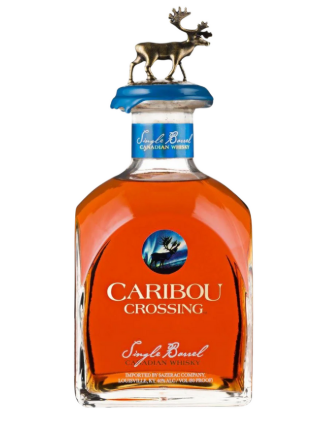
In the world of premium spirits, few whiskies have managed to create as much buzz in recent years as Caribou Crossing Whiskey. Hailing from Canada, this single-barrel gem has rapidly gained cult status among collectors and casual sippers alike. Whether you’re new to Canadian whisky or a seasoned aficionado looking to explore the refined edge of the northern distilling scene, Caribou Crossing Whiskey deserves your attention.
But what sets it apart in a market flooded with bourbon, scotch, and rye? The answer lies in its craftsmanship, heritage, and the unique flavor profile that’s distinctly Canadian yet appealingly global. In this blog, we’ll unpack what makes this whiskey special, how it’s made, and how it stands up against other iconic spirits, including the often-overlooked French aperitif, pastis.
What is Caribou Crossing Whiskey?
Caribou Crossing Whiskey is a Canadian single-barrel whisky that is often described as Canada’s answer to the United States’ single-barrel bourbons. Produced by Sazerac—the same company behind Buffalo Trace—this whisky is made in Canada, aged in oak barrels, and hand-selected one barrel at a time. What you get in each bottle is a unique expression, offering subtle variations in taste and aroma depending on the specific barrel it came from.
The whisky gets its name from Caribou Crossing, a location in the Yukon known for its majestic wildlife and unspoiled natural beauty. This name isn’t just for show—it reflects the spirit’s intention to embody the best of Canada’s wilderness and precision craftsmanship.
The Rise of Canadian Whisky and Where Caribou Crossing Fits In
For years, Canadian whisky was seen as the underdog in the global whisky arena, often overshadowed by Scotch, Irish, and American varieties. But recently, Canadian distillers have been stepping up, focusing more on quality than quantity. Caribou Crossing Whiskey is one of the standout symbols of this renaissance.
Unlike many Canadian whiskies that are blended for mass appeal, Caribou Crossing Whiskey offers a singular, unblended experience. Each bottle comes from an individual barrel—meaning no two are exactly alike. This attention to detail is what puts it in the same league as high-end bourbons like Blanton’s, with which it is often compared.
Flavor Profile: Smooth, Complex, and Incredibly Drinkable
One of the biggest reasons behind the growing love for Caribou Crossing Whiskey is its taste. The nose is rich with vanilla, caramel, and a hint of citrus. On the palate, you’ll find smooth notes of butterscotch, oak, and a touch of spice, rounded out with a warm, medium finish that invites another sip.
The sweetness and smoothness make it extremely approachable, even for those who are just starting their whisky journey. Yet, there’s enough depth and nuance to keep seasoned whisky drinkers engaged.
In some tasting circles, it’s even been described as the “bourbon lover’s Canadian whisky.” That might be stretching the comparison, but it certainly holds its own against the American heavyweights.
Caribou Crossing vs. Pastis: A Tale of Two Traditions
While Caribou Crossing Whiskey brings you the bold and warming flavors of the Canadian north, pastis—the anise-flavored French aperitif—represents a totally different drinking tradition. Typically served diluted with cold water, pastis is herbal, bracing, and synonymous with Mediterranean culture.
Comparing the two might seem like comparing apples to oranges, but both drinks have something in common: strong cultural roots and a growing international fan base.
Final Thoughts
In a world full of whisky options, Caribou Crossing Whiskey rises above as a premium, carefully crafted expression of Canadian heritage. It offers a smooth, complex flavor profile, a unique single-barrel origin, and a level of collectibility that makes it both a conversation piece and a genuine pleasure to drink. Interestingly, some adventurous drinkers have begun experimenting by using a splash of pastis in whisky-based cocktails to introduce a layer of herbal complexity. While not for everyone, the interplay between the two can create a flavor fusion that’s unlike anything else.