Understanding the intricate workings of the canine nervous system requires more than just foundational veterinary knowledge. A deep dive into this niche offers rewarding challenges, including diagnosing and managing complex neurological conditions. However, to truly excel and distinguish yourself in this field, adopting innovative strategies is essential.
Develop Specialized Knowledge
To become proficient in neurology for dogs, continuous education is key. Enroll in advanced courses that focus on the latest diagnostic techniques and treatment protocols. Regularly attend workshops and conferences where leading researchers share groundbreaking findings. This ongoing learning not only sharpens your skills but also keeps you updated with emerging trends and technologies.
Leverage Diagnostic Technology
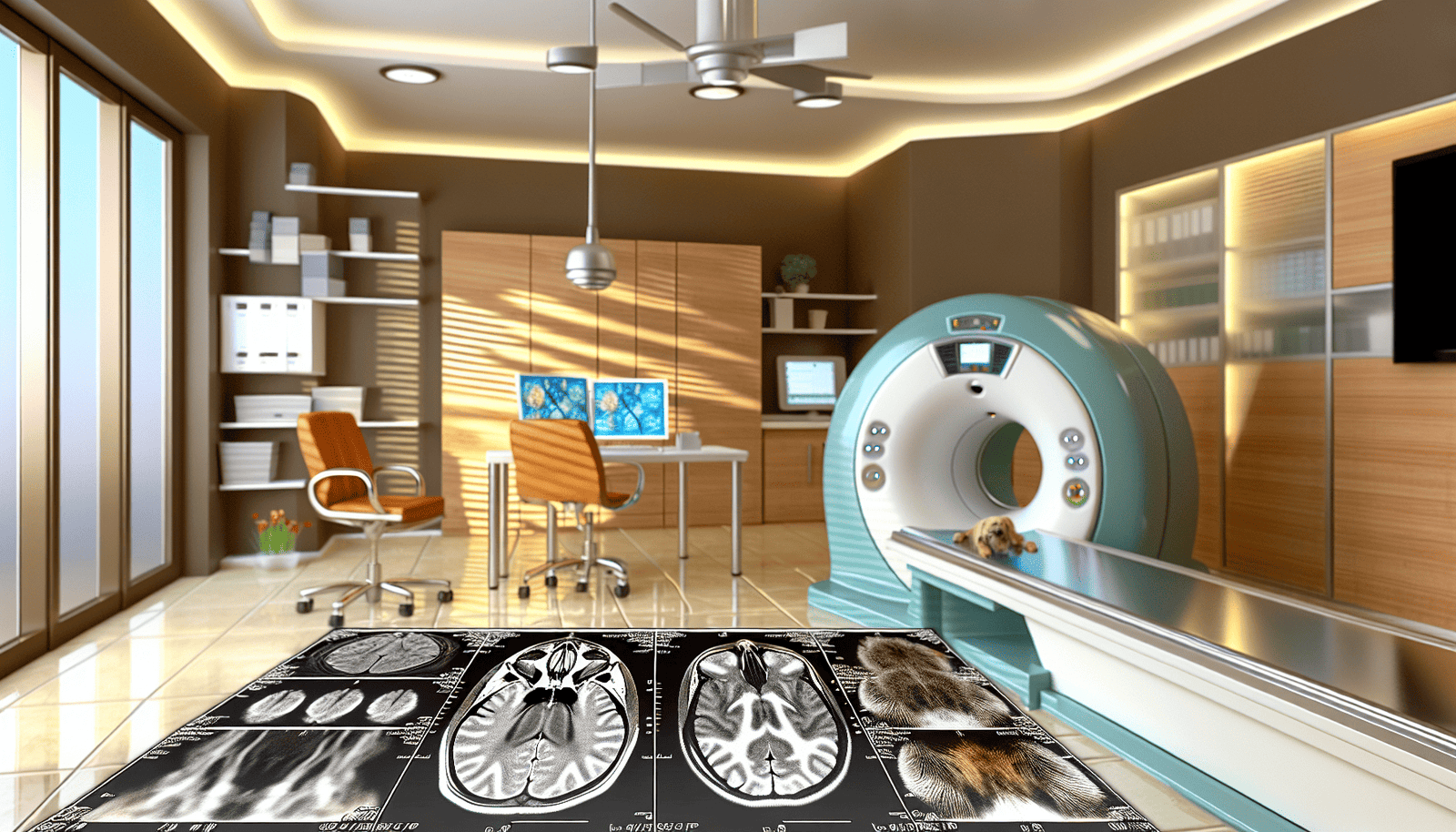
Investing in cutting-edge diagnostic tools can significantly enhance your diagnostic accuracy. Equipment like MRI machines and electroencephalograms (EEGs) provides detailed insights into brain activity, facilitating precise diagnoses of conditions such as epilepsy or brain tumors. Incorporating these technologies into your practice demonstrates a commitment to providing high-quality care.
Build Collaborative Networks
Creating a network of specialists can greatly benefit both you and your patients. Engage with professionals across various veterinary disciplines — such as orthopedic surgeons or cardiologists — to ensure comprehensive care plans for complex cases. Regular case discussions can lead to innovative solutions and prevent misdiagnoses.
Focus on Client Communication
Clear communication with pet owners is crucial when explaining neurological problems in dogs. Use simple terminology to describe complex conditions without overwhelming them with jargon. Offer written summaries of consultations that highlight key points discussed and next steps in treatment plans. This approach builds trust and ensures pet owners are well-informed about their dog’s health journey.
Implement Evidence-Based Practices
Rely on evidence-based practices when determining treatment plans for canine patients. Review current literature regularly to inform decision-making processes. Incorporate treatments supported by robust clinical trials rather than anecdotal evidence alone. This methodology enhances credibility and increases successful outcomes.
Emphasize Preventive Care
Preventive measures can often mitigate or delay the onset of certain neurological issues in dogs. Educate owners about early signs of neurological distress such as changes in behavior or coordination issues, encouraging prompt evaluations when symptoms arise. Regular check-ups focusing on neurological health can detect problems before they escalate into severe conditions.
Enhance Your Online Presence
A strong online presence can establish you as an authority figure within the field of veterinary neurology. Share informative content through blogs or social media platforms detailing common neurological problems faced by dogs. Engage with followers by answering questions and providing insights into recent advances or case studies you’ve encountered.
Foster Empathy and Patience
Managing neurological cases often involves long-term treatment plans requiring patience from both the veterinarian and pet owner alike. Show empathy towards clients dealing with chronic conditions like degenerative myelopathy or seizures — these situations are stressful for families who love their pets dearly.
Conclusion
Excelling as a dog neurology specialist demands more than clinical expertise; it requires strategic thinking, effective communication, and an unwavering commitment to advancing knowledge continually throughout one’s career journey—qualities that set apart exceptional practitioners from the rest while ensuring optimal care delivery tailored specifically towards each unique patient scenario encountered along this path forward!