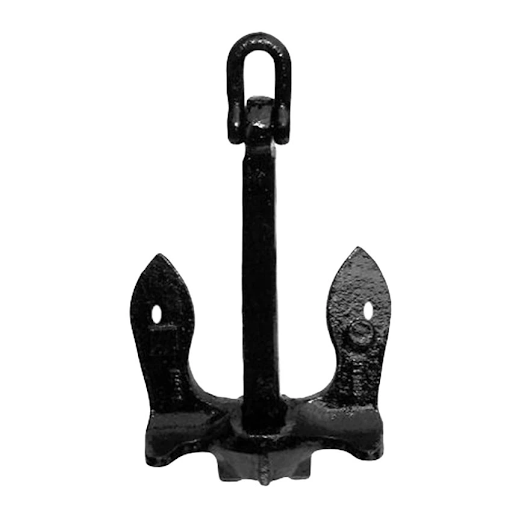
The world of maritime travel and shipping relies on several essential components to ensure safety and stability, and one of the most important among them is the marine anchor. For centuries, anchors have been a symbol of strength and security for sailors, playing a vital role in keeping vessels steady amidst unpredictable waters. A marine anchor is a heavy device designed to hold a ship in place by attaching itself firmly to the seabed. It prevents drifting caused by currents, tides, and winds, which can otherwise lead to accidents or damage. Whether it’s a small fishing boat, a luxury yacht, or a massive cargo ship, marine anchors are indispensable for maritime operations. Understanding what marine anchors are, how they work, and their different types is essential for anyone involved in the boating or shipping industry. These tools of stability continue to evolve with modern technology, making sea travel safer and more efficient.
What Exactly Is a Marine Anchor
A marine anchor is a specially designed piece of equipment that secures a vessel to the sea or riverbed. Its primary function is to prevent a boat or ship from drifting when it is stationary, either temporarily or permanently. The anchor achieves this by digging into the seabed using flukes or hooks, creating resistance against movement. Anchors are connected to the vessel by a chain or rope known as the anchor rode, which adds weight and helps maintain the proper angle for the anchor to function effectively. The design of a marine anchor combines strength and precision, ensuring it can withstand the immense forces generated by water currents and wind pressure.
Historical Importance of Anchors
The concept of anchors dates back thousands of years, with early sailors using heavy stones tied to ropes to hold their boats in place. As seafaring developed, so did anchor designs, evolving from simple wooden devices with stones to more advanced metal structures. In ancient times, anchors were crucial for exploration and trade, allowing ships to stop safely in harbors and coastal areas. Over centuries, innovations in metallurgy and engineering have given rise to modern anchors, which are now crafted from high-strength steel and designed for specific marine environments. Even today, anchors remain symbolic, representing stability and hope in maritime culture.
How Marine Anchors Work
The working mechanism of a marine anchor is based on its ability to grip the seabed firmly. When an anchor is dropped into the water, it sinks due to its weight and shape. As the vessel moves slightly with the wind or current, the anchor’s flukes dig into the seabed, creating resistance. The chain or rope attached to the anchor plays a vital role by maintaining a low angle of pull, which increases the holding power. This combination of downward force and horizontal resistance keeps the vessel securely in place. Different seabed conditions, such as sand, mud, or rock, require specific anchor designs for optimal performance.
Types of Marine Anchors
There are several types of marine anchors, each designed for specific purposes and conditions. The traditional stock anchor, often seen as a classic symbol, uses a horizontal bar to help it dig into the seabed. The plow anchor, shaped like a farmer’s plow, is ideal for sandy or muddy bottoms and offers excellent holding power. Fluke anchors, also known as lightweight anchors, are commonly used for smaller boats because they are easy to handle and store. Modern vessels often use claw anchors, which provide strong grip and stability even in challenging seabed conditions. Specialized anchors are also available for large commercial ships, offshore rigs, and military vessels, showcasing the diversity of designs in the maritime industry.
Importance of Anchors in Safety
Anchors are critical for ensuring the safety of vessels and their crew. During storms or sudden changes in weather, a properly deployed anchor can prevent a ship from being swept into dangerous areas like rocky shores or other vessels. In ports and harbors, anchors are used to stabilize ships while cargo is loaded or unloaded. They are also essential during emergency situations, such as engine failure, where an anchor can hold the ship steady until repairs are made or assistance arrives. Without reliable anchors, maritime operations would face significant risks and potential disasters.
Choosing the Right Anchor
Selecting the appropriate anchor depends on several factors, including the size of the vessel, the type of seabed, and the environmental conditions. A small recreational boat may only need a lightweight fluke anchor, while a massive cargo ship requires heavy-duty anchors with advanced designs. The length and weight of the anchor chain are equally important, as they affect the anchor’s holding power. Marine engineers and ship operators carefully assess these factors to ensure that the anchor system is suitable for the vessel’s needs. Regular inspections and maintenance are also essential to keep anchors functioning effectively.
Materials Used in Marine Anchors
Modern marine anchors are typically made from high-strength steel, which provides durability and resistance to corrosion. Some smaller anchors may incorporate aluminum or composite materials to reduce weight without compromising performance. Since anchors are constantly exposed to seawater, they must be designed to withstand rust and wear over time. Many manufacturers apply protective coatings or use galvanized steel to enhance longevity. The choice of materials plays a crucial role in ensuring the anchor remains reliable even under harsh marine conditions.
Marine anchors may seem like simple tools, but they are vital for the safety, stability, and efficiency of maritime operations. From small fishing boats to giant cargo ships, every vessel relies on anchors to hold steady amidst the unpredictable forces of the sea. Over the centuries, anchors have evolved from basic stone weights to sophisticated devices engineered with precision and advanced materials. Their importance extends beyond functionality, symbolizing hope and security in maritime culture. As technology continues to advance and environmental awareness grows, marine small anchor will play an even more significant role in shaping the future of seafaring. By understanding their design, function, and impact, we gain a deeper appreciation for these silent guardians of the sea that keep global trade and exploration moving forward safely.