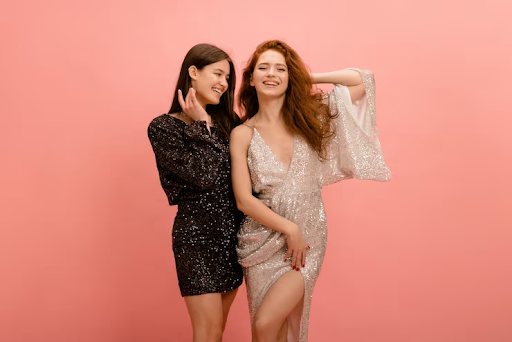
The cocktail dress has always occupied a specific and useful space in a wardrobe — formal enough for an event, relaxed enough to move freely. As the season shifts, so do the details that define this category. If you are planning for weddings, galas, or garden parties, understanding what shapes and fabrics are defining spring 2026 cocktail dresses will help you make more informed choices before you shop.
What Makes a Cocktail Dress Different From Other Formalwear
A cocktail dress typically falls between the knee and mid-thigh, though longer midi versions have become increasingly common. The category sits between casual day dresses and full-length evening gowns.
The defining factor is occasion-readiness. A cocktail dress is structured enough to signal formality without requiring the full commitment of a ballgown.
Silhouettes Leading the Season
Spring 2026 is showing a clear preference for a few specific shapes:
- A-line cuts — These remain consistently popular because they work across a wide range of body types. The flare from the waist creates movement without adding volume at the hip.
- Fitted column silhouettes — Straight-cut dresses with minimal flare have gained traction, particularly in satin and crepe fabrics.
- Asymmetric hems — One-shoulder or diagonal hemlines are appearing frequently, adding visual interest without requiring additional accessories.
- Structured bodices with full skirts — This pairing references classic cocktail dress construction while feeling current through updated fabric choices.
Each of these silhouettes serves a different body type and occasion, so the choice often comes down to the specific event and personal comfort.
Fabrics and Textures Worth Noting
Fabric choice significantly affects how a cocktail dress reads in different lighting and settings. This season, several materials are appearing consistently across collections.
Organza is showing up in layered skirts and overlay panels. It catches light well and adds dimension without weight. Mikado — a firm, slightly lustrous fabric — is being used for structured bodices and column silhouettes where shape retention matters.
Lace continues to appear, but the approach in spring 2026 leans toward tonal lace rather than contrast. This means lace overlays in the same color family as the lining beneath, which reads as more refined and less costume-like.
Color Directions for Spring 2026
Pastels are predictable for spring, but the specific tones this season are worth noting. Dusty rose, sage green, and powder blue are appearing in structured silhouettes rather than only in soft, casual styles. This shift makes them appropriate for more formal cocktail settings.
Deeper tones — navy, forest green, and burgundy — are also holding strong. These colors photograph well and work for evening cocktail events where lighter pastels can sometimes wash out under artificial lighting.
Ivory and off-white remain relevant, particularly for guests at spring weddings who want to dress formally without approaching white.
How Embellishment Is Being Used
Embellishment in spring 2026 cocktail dresses tends toward restraint. Rather than all-over beading or heavy embroidery, the focus is on strategic placement.
Common approaches include:
- Beaded necklines on otherwise plain dresses
- Floral appliqué at the waist or shoulder
- Subtle sequin panels on one section of a two-tone dress
This approach keeps the dress from feeling overdone while still providing the kind of detail that reads well in photographs and under event lighting.
Styling Considerations
Accessories for cocktail dresses this season are kept minimal. Strappy heeled sandals, simple clutches, and small stud earrings are the most common pairings seen alongside these silhouettes.
The goal is to let the dress carry the visual weight of the outfit. Over-accessorizing a structured cocktail dress tends to compete with the garment rather than complement it.
Conclusion
Spring 2026 brings a clear set of preferences in silhouette, fabric, and color for cocktail dressing. Understanding these details makes it easier to choose a dress that fits both the occasion and the season. Whether you are drawn to structured column cuts or fluid A-line shapes, the season offers well-defined options that balance formality with wearability.