Precision imaging systems are essential across industries where internal visibility, safety, and accuracy are non-negotiable. Whether used for medical diagnostics, industrial inspection, security screening, or electronics manufacturing, these systems must deliver consistent, high-resolution images under demanding conditions.
At the core of this performance lies advanced engineering from integrated x ray source manufacturers and the dependable architecture of a generator for x ray machine. Together, these components define the effectiveness, reliability, and longevity of modern X-ray imaging solutions.
The Evolution of Precision Imaging Technology
Early X-ray systems relied on bulky, separately housed components that required extensive calibration and maintenance. As industries evolved, so did the demand for compact, efficient, and more reliable imaging systems. Precision imaging today is driven by integration, where multiple functional elements are engineered to operate as a single optimized unit.
This evolution has significantly improved image clarity, reduced system size, and lowered operational complexity. Integrated solutions are now considered the standard for high-performance imaging environments where uptime, accuracy, and safety are critical.
What Defines an Integrated X-Ray Source
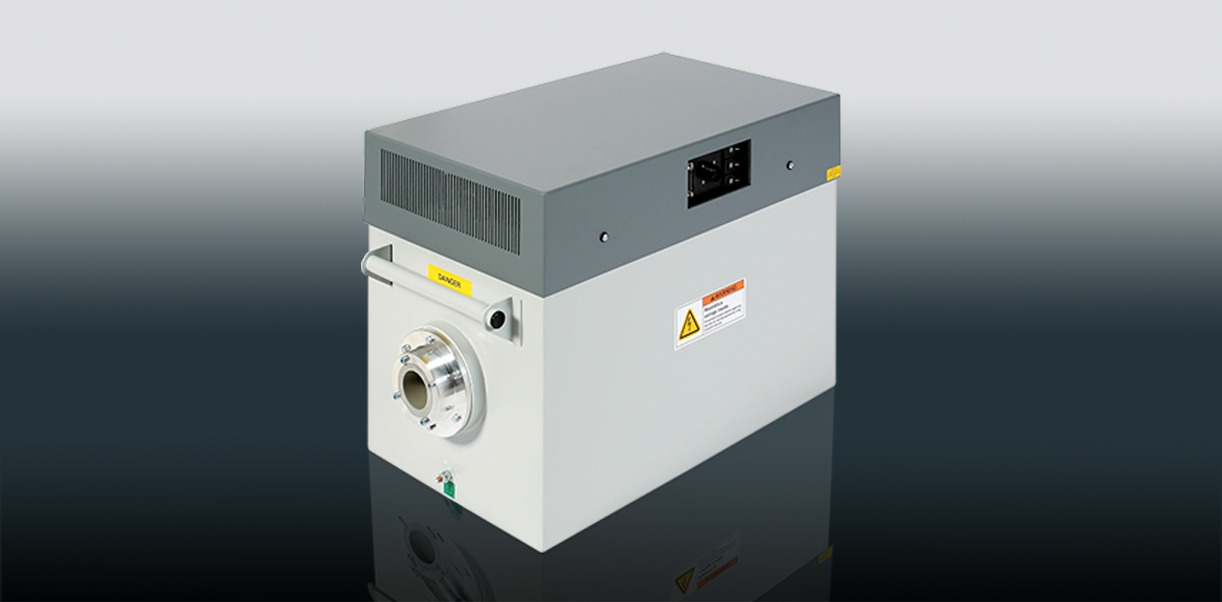
An integrated X-ray source combines the X-ray tube, power electronics, and control systems within a single enclosure. This design reduces the need for external connections and eliminates compatibility issues between components. By working closely with system designers, integrated x ray source manufacturers ensure that each element is precisely matched for optimal performance.
Integration also improves electrical stability. Shorter internal connections reduce power losses and electromagnetic interference, which directly enhances image quality. For operators, this means clearer images, faster scanning, and more reliable results.
Importance of the Generator in X-Ray Systems
The generator for x ray machine is responsible for producing the high voltage that enables X-ray generation. Its performance determines how accurately electrons are accelerated within the X-ray tube, which directly affects beam consistency and penetration capability.
A well-designed generator ensures stable voltage output, precise current control, and rapid response times. In integrated systems, the generator is engineered in tandem with the X-ray source, allowing for improved thermal management and advanced digital control. This coordination reduces stress on components and extends system lifespan.
Why Precision Matters in Imaging Applications
Precision is not merely about image sharpness. It encompasses repeatability, consistency, and operational safety. In many applications, even minor deviations in X-ray output can lead to misinterpretation, missed defects, or inaccurate diagnoses. Solutions developed by integrated x ray source manufacturers address these challenges through tightly engineered system design.
Integrated systems excel in maintaining stable imaging conditions. By reducing external dependencies and improving internal synchronization, these systems minimize fluctuations that can compromise results. This reliability is especially important in environments where imaging is performed continuously or under strict regulatory standards.
Advantages of Integrated X-Ray Solutions
Superior Image Consistency
Integrated systems maintain consistent beam output, resulting in uniform image quality across extended operation periods.
Compact and Efficient Design
By housing multiple components within a single unit, integrated solutions reduce space requirements and simplify mechanical integration.
Simplified Installation and Maintenance
Fewer external connections mean faster installation and reduced maintenance effort, lowering the total cost of ownership.
Enhanced Safety Features
Integrated shielding, thermal monitoring, and digital controls improve operator safety and system protection.
These benefits explain why integrated designs have become the preferred choice across multiple sectors.
Industry Applications Driving Demand
Medical and Dental Imaging
Precision imaging is critical in healthcare environments where diagnostic accuracy impacts patient outcomes. Integrated X-ray systems support applications such as dental imaging, bone analysis, and veterinary diagnostics by delivering reliable performance while maintaining radiation safety.
Industrial Inspection and Quality Control
Manufacturers use X-ray imaging to detect internal flaws in castings, welds, and composite materials without damaging the product. Integrated solutions allow inspection systems to be embedded directly into production lines, enabling real-time quality assurance.
Security and Public Safety
X-ray imaging is widely used in airports, logistics centers, and public venues to screen baggage, cargo, and vehicles. Stable output and consistent image quality help operators identify threats accurately and efficiently.
Electronics and Advanced Manufacturing
Miniaturized components and dense circuitry require high-resolution imaging for inspection. Integrated systems support automated inspection processes in electronics manufacturing, improving yield and reducing defects.
Key Factors When Selecting X-Ray Components
Choosing the right partner among integrated x ray source manufacturers requires evaluating more than technical specifications alone. Reliability, customization, and long-term support are equally important.
A dependable generator for x ray machine should offer precise voltage regulation, advanced digital interfaces, and built-in safety mechanisms. Thermal management is another critical factor, as excessive heat can degrade performance and shorten component life.
Customization capabilities also play a major role. Different applications demand varying power levels, focal spot sizes, and operating conditions. Manufacturers that offer flexible configurations enable system designers to achieve optimal results for specific use cases.
Integration and System Compatibility
Modern imaging systems often rely on automation and data connectivity. Solutions developed by integrated x ray source manufacturers are designed to interface seamlessly with control software, detectors, and robotic systems. Standard communication protocols and modular mounting options simplify system integration and future upgrades.
This compatibility is especially valuable for OEMs developing scalable platforms, as integrated components reduce engineering time and accelerate product development cycles, enabling faster deployment of advanced imaging solutions.
Future Trends in Precision Imaging
The future of precision imaging is shaped by continuous innovation. Advances in materials science, digital control, and power efficiency are enabling smaller, smarter, and more capable X-ray systems. Integrated designs will continue to evolve, offering higher performance with lower energy consumption.
Sustainability is also becoming a priority. Longer component lifespans, reduced power usage, and efficient thermal management contribute to lower environmental impact and operating costs. These trends reinforce the importance of integration in next-generation imaging systems.
Conclusion
Precision imaging systems depend on advanced engineering to ensure accuracy, reliability, and safety across applications. Solutions developed by integrated x ray source manufacturers enable consistent performance while reducing system complexity. By combining efficient power delivery with optimized source technology, modern X-ray systems enhance non-invasive inspection and diagnostic capabilities across medical, industrial, and security sectors worldwide.
VJ X-Ray delivers advanced integrated X-ray sources and high-voltage generators for precision imaging applications. With decades of engineering expertise, the company supports medical, industrial, security, and analytical systems worldwide. Its emphasis on customization, reliability, and global OEM support enables manufacturers to develop high-performance imaging solutions that meet strict accuracy, safety, and operational requirements.