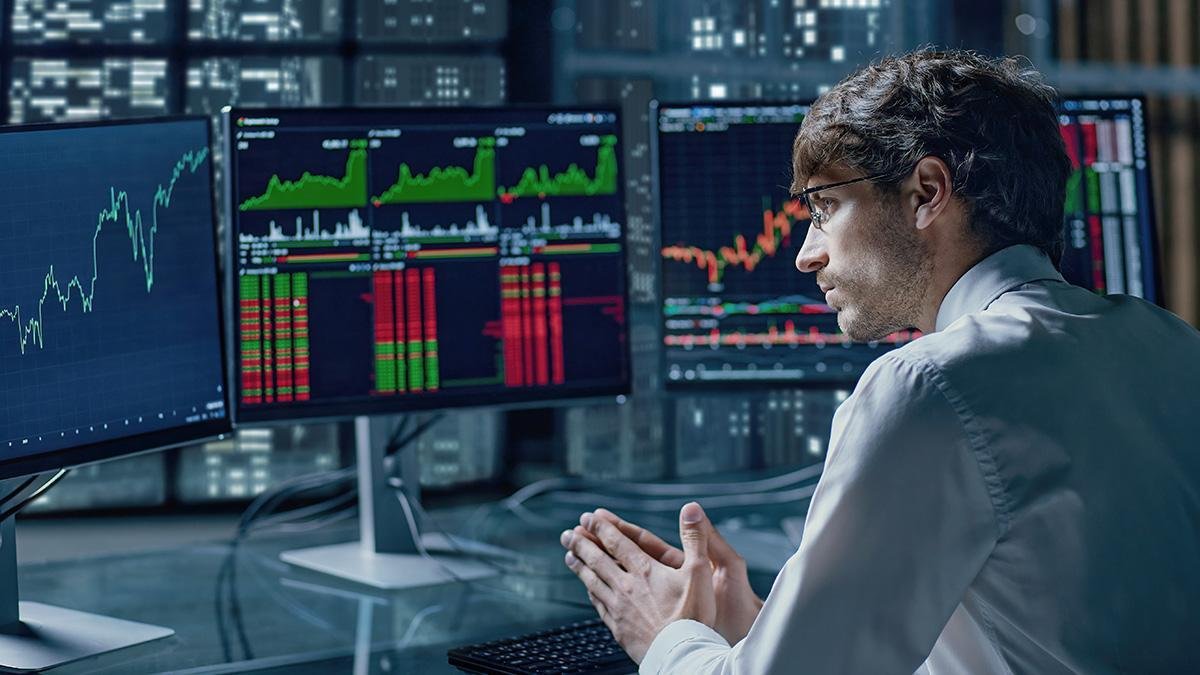
Volatility in global markets simultaneously hits traders with challenges and opens up unique opportunities. Sudden price changes stirred by economic developments, policy adjustments, and surprise events can catch even seasoned investors off guard.. A forex broker in UK has moved to assist customers in handling these erratic market shifts. They have integrated risk calculators and indicators of volatility, among others, to make it easier for traders to adapt to the dynamic situation. Most of the platforms now embed live market information so that clients get a clearer sense of when to enter or exit a trade.
These brokers monitor worldwide economic indicators, thus allowing traders to remain calm during market fluctuations. Going through the training materials, webinars, and case studies, the users learn to interpret the patterns of volatility, and to avoid rash actions. An educational approach like this has been especially productive for retail traders who cannot enjoy the same level of access to data as bigger institutional players. Guidance through a forex broker in UK helps traders devise strategies that won’t betray their ambitions yet accommodate some measure of caution to keep exposure in check, especially when prices are swinging wildly. Modern technology has become a big part of how volatility gets managed. Brokers now rely on AI-based systems that analyze liquidity and execute trades at optimal speeds to reduce slippage and improve accuracy. Mobile apps and desktop platforms let users respond immediately to breaking news or geopolitical events. What’s happening reflects a bigger move toward making decisions based on data, where managing risk isn’t just about playing it safe but actually forms the foundation of how people trade. Algorithmic trading features have gotten more accessible for regular users, allowing them to set exit points and position sizes ahead of time that adjust automatically when market conditions shift, without needing to babysit every trade.
How regulators oversee the industry has influenced the way brokers deal with volatile conditions. UK-based firms have to meet strict Financial Conduct Authority standards, which means keeping adequate capital reserves and following clear conduct rules. Having that framework in place makes traders feel safer when markets go wild, since they’re not worried their broker will suddenly vanish or refuse to settle trades. Negative balance protection rules have been particularly helpful when volatility spikes, keeping traders from losing more than what they’ve actually got in their account if prices suddenly gap. When regulatory safeguards work together with better technology, traders end up in a position where they can go after opportunities without the constant fear that one mistake will blow up their entire account.
Resilience matters just as much as profit potential now that economic conditions stay so unpredictable. UK brokers have gotten more serious about transparency, offering better breakdowns of spreads, margin requirements, and how fast trades really execute. Traders who get how volatility operates can tweak their positions with less guesswork. Global markets keep changing at a steady clip, and how capable traders work with flexible brokers continues to matter for getting results. When traders combine technique, technology, and market knowledge, volatility stops being a barrier and instead acts as a driver for growth. This allows them to stay active in the markets longer. The trading culture has shifted from quick decisions to thoughtful preparation. Understanding fundamentals and weighing risks matter just as much now as catching the next big shift in currency pairs.