The process of crafting Irish whiskey is steeped in centuries of tradition, blending time-honored techniques with modern innovations. Known for its smooth character and triple-distillation process, Irish whiskey is celebrated around the world for its quality and craftsmanship. To fully appreciate its unique qualities, it is important to understand the journey it takes from raw grains to the finished spirit poured into a glass.
Selecting the Grains
The foundation of Irish whiskey lies in the careful selection of grains. Barley, both malted and unmalted, is the most common base, although other cereals such as corn, wheat, and rye may also be incorporated depending on the style. For example, single malt whiskey is made exclusively from malted barley and produced at a single distillery, highlighting purity and consistency in flavor. The choice of grain plays a major role in determining the character of the final spirit, making this stage a crucial starting point.
Malting and Mashing
Once the grains are selected, the next stage is malting, where barley is soaked in water to encourage germination before being dried in kilns. This process develops the enzymes needed to convert starches into sugars. After malting, the grains are ground into grist and mixed with warm water in large vessels known as mash tuns. This step extracts the fermentable sugars, producing a sweet liquid called wort. For Irish whiskey, precise temperature control during mashing ensures maximum sugar extraction, which is vital for fermentation and flavor development.
Fermentation
The wort is then transferred into fermentation tanks, where yeast is added to convert sugars into alcohol. Fermentation typically lasts for several days, producing a liquid called “wash” with a relatively low alcohol content. During this phase, complex flavor compounds begin to form, laying the foundation for the distinctive taste of Irish whiskey. In the case of single malt whiskey, the fermentation process is carefully monitored to preserve the unique malted barley flavors that define this style.
Distillation
One of the hallmarks of Irish whiskey is triple distillation, a method that sets it apart from many other whiskeys around the world. The wash is distilled three times in copper pot stills, each stage increasing the alcohol strength and refining the spirit by removing impurities. This triple distillation results in the famously smooth and approachable character that Irish whiskey is known for. Some variations may use column stills, but traditional copper pot distillation remains a defining feature of the craft.
Maturation in Oak Casks
Following distillation, the spirit must be matured in oak casks for a minimum of three years, as required by law. The choice of casks—often ex-bourbon barrels, sherry casks, or wine-seasoned oak—greatly influences the flavor profile. Over time, the spirit absorbs compounds from the wood, adding notes of vanilla, spice, fruit, and toasted oak. For Irish whiskey, this maturation period is critical, transforming the raw spirit into a complex and well-balanced drink. Some producers age their products far longer, creating premium releases with exceptional depth.
Bottling and Enjoyment
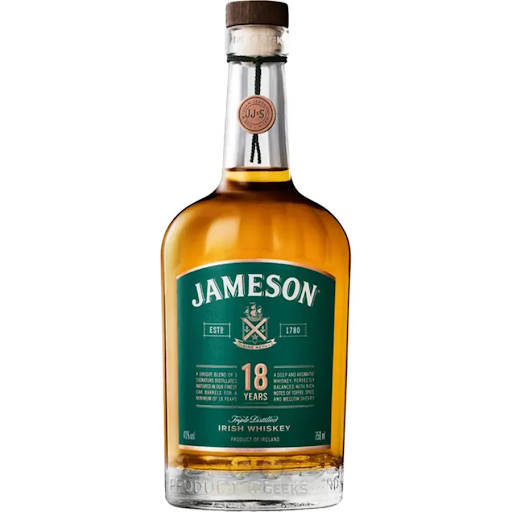
After maturation, the whiskey is carefully blended or bottled as a single expression. Blended Irish whiskeys combine spirits from different casks or even different styles, creating approachable and consistent flavors. On the other hand, single malt whiskey represents a purer style, crafted entirely from malted barley and distilled at one distillery, offering enthusiasts a chance to explore distinctive, nuanced characteristics. Once bottled, the whiskey is ready to be enjoyed neat, on the rocks, or as part of a cocktail.
Conclusion
The journey of Irish whiskey from grain to glass involves carefully selected grains, malting, fermentation, triple distillation, and years of patient maturation in oak casks. Each stage contributes to the smooth, refined character that has made it a globally admired spirit. While blended varieties offer consistency and accessibility, connoisseurs often gravitate toward premium options like single malt whiskey, which showcase the craftsmanship and tradition that define this timeless beverage.