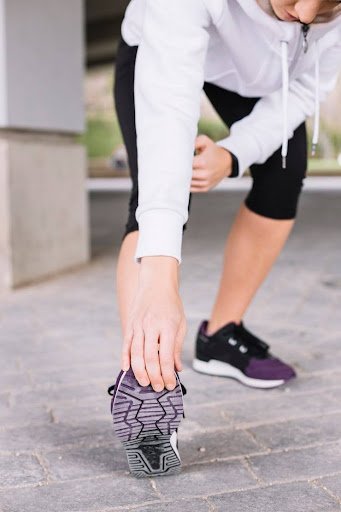
The human foot is a complex structure consisting of 26 bones, 33 joints, and more than 100 muscles, tendons, and ligaments. One of the most critical components of this structure is the arch. The arch functions as a natural shock absorber, helping the body distribute weight evenly during walking, running, or standing. However, when the arch collapses or becomes misaligned—a condition known as overpronation or flat feet—it can lead to biomechanical imbalances that affect gait, posture, and overall body alignment. This is where foot arch support insoles play a crucial role.
The Science Behind Foot Arch Support Insoles
Foot arch support insoles are designed to restore the natural alignment of the feet by providing structured support to the arch area. They work by stabilizing the foot during movement and minimizing excessive pronation or supination. According to a 2021 study published in the Journal of Foot and Ankle Research, properly fitted arch support insoles can significantly improve foot biomechanics and reduce the risk of musculoskeletal strain in the lower extremities.
These insoles work by redistributing pressure across the foot. Instead of allowing excess force to concentrate on the heel or ball of the foot, the insole helps spread it evenly. This reduces stress on specific joints such as the knees, hips, and lower back, which are often affected by improper foot alignment.
Improving Gait Efficiency
Gait refers to the manner in which a person walks or runs. A healthy gait is smooth, efficient, and symmetrical. However, abnormalities in foot alignment can lead to inefficient gait patterns, such as overpronation (rolling the foot inward) or supination (rolling outward). These irregularities increase energy expenditure and place extra strain on the muscles and joints.
Foot arch support insoles promote a more neutral alignment of the foot, improving balance and stability. Studies from Clinical Biomechanics have shown that individuals using arch support insoles exhibit improved stride length and reduced muscle fatigue. By supporting proper motion mechanics, these insoles can enhance walking efficiency and reduce the risk of overuse injuries.
Enhancing Posture Through Proper Alignment
Posture is directly linked to foot alignment. When the feet are unstable, the entire kinetic chain—from ankles to spine—can become misaligned. This often manifests as lower back pain, hip discomfort, or even neck strain. According to research from the American Podiatric Medical Association, correcting foot posture with foot arch support insoles can lead to measurable improvements in overall body posture.
When the arch is properly supported, the feet maintain a stable base for the rest of the body. This allows the spine to stay in its natural alignment, reducing compensatory movements that cause muscular tension. Over time, consistent use of arch support insoles can help train the body to maintain better posture, even when standing for long periods.
Reducing Pain and Preventing Injury
One of the most common reasons people turn to foot arch support insoles is pain relief. Poor arch support can contribute to conditions such as plantar fasciitis, Achilles tendinitis, shin splints, and knee pain. In a 2020 review published in The British Journal of Sports Medicine, researchers found that individuals using properly designed insoles experienced significant reductions in foot and lower limb pain compared to those using standard shoe liners.
The cushioning and alignment correction provided by these insoles help reduce microtrauma in soft tissues and joints. For people with plantar fasciitis, for instance, the arch support helps relieve tension in the plantar fascia—a thick band of tissue that connects the heel to the toes—thereby reducing inflammation and discomfort. Similarly, runners and athletes often experience fewer repetitive strain injuries when using insoles that provide adequate arch support.
Choosing the Right Foot Arch Support Insoles
Not all insoles are created equal. Choosing the right type depends on individual foot structure and lifestyle. People with flat feet typically benefit from firm arch supports that prevent excessive inward rolling, while those with high arches often need cushioned insoles that absorb impact. Custom orthotic insoles—prescribed by a podiatrist—can be particularly effective for individuals with chronic pain or structural abnormalities.
Material choice also matters. EVA foam and gel insoles provide shock absorption, while carbon fiber or thermoplastic inserts offer durability and rigidity for long-term support. Additionally, proper shoe fit is essential to ensure the insole functions as intended.
Conclusion
Scientific evidence consistently supports the benefits of foot arch support insoles in improving gait, enhancing posture, and reducing pain. By promoting correct foot alignment and distributing pressure evenly, these insoles play a vital role in maintaining musculoskeletal health. Whether for daily wear, athletic performance, or rehabilitation, incorporating quality arch supports can make a measurable difference in comfort and mobility. For long-term relief and prevention of discomfort, choosing the right insoles shoe inserts can be one of the simplest yet most effective steps toward better overall posture and movement.