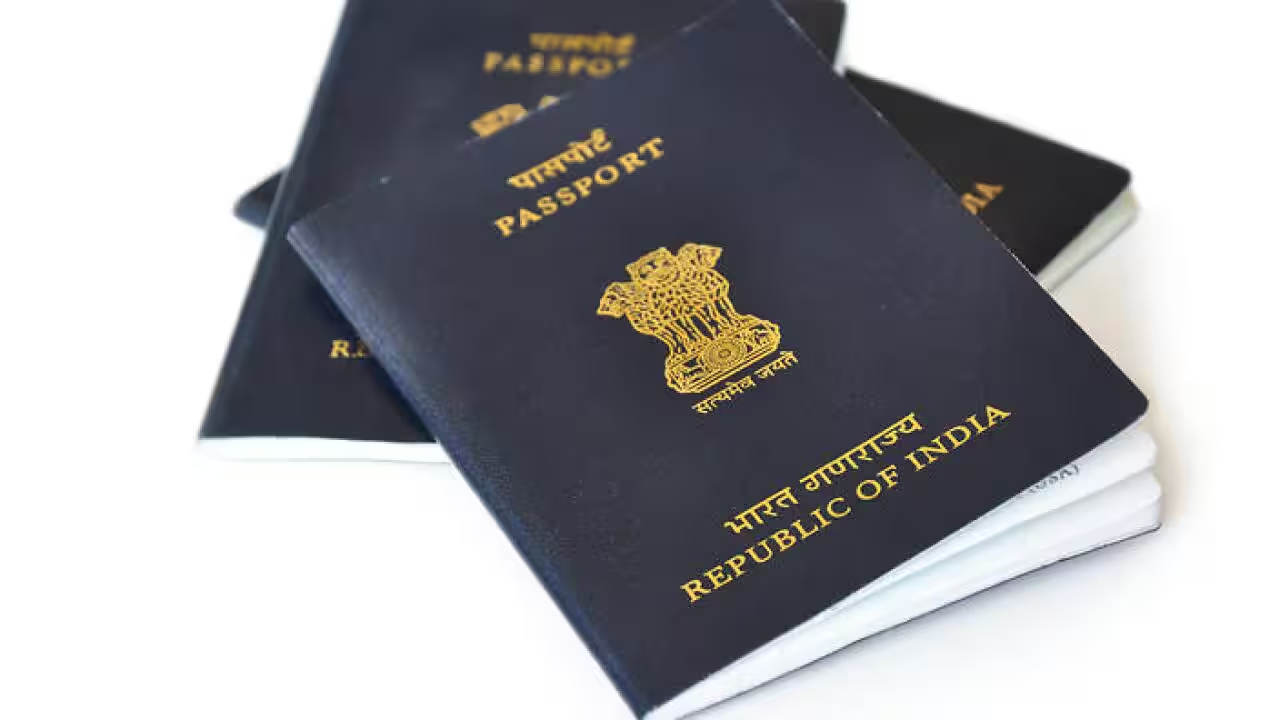
The Henley Passport Index is a globally recognized ranking system that evaluates the strength of passports based on their visa-free or visa-on-arrival privileges worldwide. For years, the index has been an invaluable resource for travelers, policymakers, and analysts seeking insights into global mobility and travel freedom trends. As we approach 2026, India’s ranking on the Henley Passport Index continues to be a subject of debate and analysis, highlighting the country’s position in a rapidly evolving geopolitical landscape.
This article dives into India’s ranking in the Henley Passport Index 2026, what it signifies, the factors influencing travel freedom, and the implications for Indian citizens.
What is the Henley Passport Index?
The Henley Passport Index, created and curated by Henley & Partners, is a global ranking system that categorizes passports based on the number of destinations their holders can access visa-free or with visa-on-arrival privileges. The index utilizes data from the International Air Transport Association (IATA) and is updated quarterly. It is widely celebrated for providing an independent measure of a country’s passport strength and mobility power.
As globalization continues to reshape travel and migration patterns, the index serves as a crucial benchmark for quantifying international freedom and accessibility. Countries with higher rankings enjoy greater convenience, reflecting strong diplomatic ties and economic stability.
India’s Ranking in Henley Passport Index 2026
India’s ranking in the Henley Passport Index has traditionally been in the middle tiers, fluctuating as geopolitical events and bilateral agreements reshape the global visa landscape. For 2026, India’s position is expected to reflect slight improvements compared to previous years, largely due to ongoing efforts in diplomacy, visa reforms, and economic partnerships.
In 2023, India’s passport provided visa-free or visa-on-arrival access to approximately 60 destinations, situating it at the 85th position in the index. Assuming incremental improvements in visa agreements, we can anticipate some progress in India’s ranking by 2026. This optimism is fueled by India’s expanding global trade relations, strategic partnerships, and emphasis on cultivating tourism ties.
However, despite the expected improvement, India’s passport ranks significantly lower than those of countries like Japan, South Korea, Germany, and Singapore, which top the Henley Passport Index due to their holders’ unparalleled travel visa privileges. The disparity serves as a reminder of the importance of robust international relations and comprehensive visa agreements.
Factors Influencing India’s Passport Strength
Several factors contribute to the ranking of a country’s passport on the Henley Passport Index. India’s position reflects a combination of domestic policies and international relationships. Here are the critical factors influencing India’s passport strength:
1. Geopolitical Relations
India’s diplomatic relationships with other nations directly impact its visa agreements. Strong bilateral ties often lead to relaxed travel visa requirements, enabling a country’s passport holders to enjoy increased travel freedom.
2. Economic Stability and Trade Agreements
Economic partnerships play a significant role in determining visa relaxation policies between countries. India’s economic growth and trade agreements, particularly with nations in the Gulf Cooperation Council (GCC), Southeast Asia, and Europe, are likely to influence its future ranking. Strategic projects like the International North-South Transport Corridor and free trade agreements (FTAs) could pave the way for enhanced mobility.
3. Security and Immigration Policies
Countries evaluating visa agreements with India also assess the country’s national security framework, immigration practices, and ability to enforce regulations for travelers. Improving security protocols and developing streamlined visa systems encourage other nations to enter reciprocal agreements with India.
4. Tourism Initiatives
India’s push for tourism—highlighted by programs such as “Incredible India” and e-visas for international visitors—signals its intent to promote travel and bilateral exchange. While inbound tourism policies improve India’s global perception, outward travel freedom for Indian citizens remains a point of negotiation in various dialogues.
Implications for Indian Citizens
India’s ranking on the Henley Passport Index has significant implications for citizens, businesses, and the economy at large. A moderately strong passport presents challenges, but there are opportunities to navigate the system effectively. Understanding these implications can help Indian travelers and policymakers chart a clear course for future improvements.
1. The Global Travel Visa Challenge
Indian passport holders often face the hassle of obtaining visas for a substantial number of destinations. Visa application processes can be arduous, involving documentation, fees, and long wait times. This can deter spontaneous travel and limit opportunities for education, work, and tourism in countries with strict visa requirements.
2. Increased Costs and Delays
Indian citizens often incur higher travel-related costs due to visa fees and delays in approvals. For travelers with frequent international engagements, such barriers can be inconvenient and costly.
3. Promoting Accessibility Through Visa Agreements
India’s inclusion in the Henley Passport Index shines a spotlight on the necessity of securing better access agreements. By forging new visa frameworks, India can improve the ease of international business and travel, benefiting citizens and bolstering its economy.
4. Enhanced Opportunities for Migration and Work
A stronger passport unlocks new opportunities for global migration and employment. Entrepreneurs, professionals, and students often face restrictions when their passport ranks low, limiting potential avenues for international growth. Improvements in India’s ranking can pave the way for greater acceptance in foreign labor markets.
Comparing India’s Passport Strength Globally
India’s position in the Henley Passport Index highlights a stark contrast compared to passports of nations like Japan, Singapore, and South Korea, which allow visa-free access to over 190 destinations. Countries in Europe, including Germany, also continue to dominate the rankings due to streamlined visa agreements across Schengen states.
On the opposite end of the spectrum, nations like Afghanistan and Syria occupy the lower tiers of the index due to political instability and restrictive international relationships. India’s gradual improvement reflects its growing influence in international forums, but it still has miles to go before it matches the access enjoyed by leading nations.
Recent Developments in Indian Visa Policies
To achieve upward momentum in the Henley Passport Index, India has rolled out initiatives to improve visa agreements and promote travel mobility.
1. E-Visa Expansion
India’s introduction and subsequent expansion of the e-visa system have improved accessibility for inbound tourists from various countries. Offering short-stay electronic visas to travelers has bolstered diplomatic goodwill and encouraged tourism.
2. Bilateral Visa Agreements
India continues to negotiate visa relaxation and mutual mobility agreements with countries in the ASEAN region, Europe, and the Middle East. These partnerships aim to strengthen travel diplomacy and business relations.
3. Passport Modernization
The Indian government has increased efforts to simplify passport issuance with the implementation of digital tools, improved documentation processes, and biometric integrations.
Challenges Hindering India’s Rank Improvement
India faces several challenges in climbing the Henley Passport Index rankings. While economic growth and diplomatic ties are progressing, there are limitations to rapid improvements.
1. Slow Progress in Visa Negotiations
The complex process of negotiating visa agreements often involves prolonged diplomatic discussions. The lack of reciprocal visa-free policies with major destinations slows progress.
2. Security Concerns by Foreign Nations
Countries evaluating visa policies with India occasionally raise concerns about the enforcement of immigration laws and border security, which can limit India’s access privileges for its citizens.
3. Regional Geopolitical Tensions
Instability in India’s neighboring regions and strained relationships with select countries can inadvertently impact visa agreements.
What India Needs to Do to Climb Up the Henley Passport Index
India’s incremental improvements are promising, but there’s room for innovative strategies to accelerate passport ranking growth. Among these, key measures include:
- Strengthening Diplomatic Relations: Proactively negotiating reciprocal visa exemptions with high-ranking countries can directly boost rankings.
- Enhancing Citizen Trustworthiness: Implementing standardized security protocols for Indian travelers abroad can improve India’s credibility.
- Promoting Regional Cooperation: Strengthened ties within South Asia and ASEAN could collectively enhance mobility privileges for Indian passport holders.
- Expanding Trade and Tourism: Developing trade partnerships and tourism infrastructure will make India an attractive counterpart for visa-free agreements.
Conclusion
The Henley Passport Index 2026 will provide vital insights into India’s passport strength and its evolving role in global mobility. While India continues to make strides in improving travel privileges, its current standing underscores the need for a comprehensive strategy to bolster visa-free access and climb higher up the rankings.
For Indian citizens, the implications of the passport index highlight both challenges and opportunities. A stronger ranking can unlock numerous avenues for global travel, migration, education, and employment, while fostering convenient connections with the world. Policymakers, diplomats, and travelers must collectively work toward building India’s passport strength, reflecting the nation’s growing prominence on the world stage.
In the years ahead, India’s journey in the Henley Passport Index will be a testament to its efforts in advancing international partnerships and enhancing the freedom of travel for its citizens. How far India can go will depend on the effectiveness of these strategies and its ability to navigate the complexities of global diplomacy.