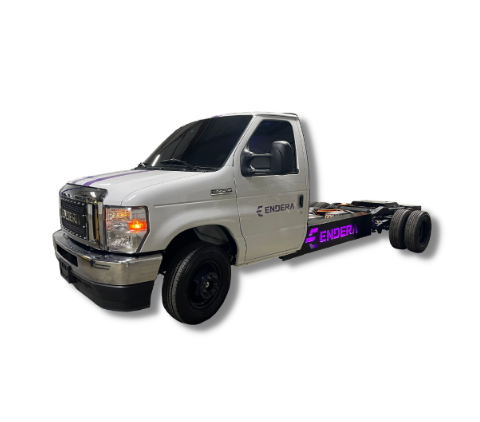
The rapid growth of the electric vehicle market has brought the electric powertrain into the spotlight as the core of performance, efficiency, and sustainability. Unlike internal combustion systems, electric powertrains rely on electric motors, battery packs, and sophisticated control electronics to deliver instant torque, smooth acceleration, and reduced environmental impact.
As governments push for greener mobility and consumers demand better performance, manufacturers are investing heavily in advanced designs to maximize the capabilities of the EV powertrain while overcoming its inherent challenges.
What Makes The Electric Powertrain Different?
An electric vehicle powertrain operates fundamentally differently from its gasoline counterpart. Instead of mechanical energy derived from combustion, it uses electrical energy stored in batteries to power electric motors. This change in energy source results in:
- Instant Torque Delivery: Electric motors provide maximum torque from a standstill.
- High Energy Efficiency: Energy conversion rates can exceed 85%, compared to around 30% for combustion engines.
- Reduced Maintenance: Fewer moving parts mean less wear and lower servicing costs.
- Quieter Operation: Near-silent performance enhances driving comfort.
Efficiency Gains Driving Adoption
Recent innovations have significantly improved the electric powertrain’s efficiency, making electric vehicles more viable for mainstream adoption.
1. Regenerative Braking
By converting kinetic energy back into stored electrical energy, regenerative braking boosts efficiency and extends driving range without extra charging.
2. Lightweight Materials
Using aluminum, carbon fiber, and advanced composites in the powertrain electric components reduces vehicle weight, lowering the energy needed for movement.
3. Enhanced Thermal Management
Advanced cooling systems prevent overheating and maintain optimal operating temperatures for both motors and batteries, improving performance and lifespan.
4. Integrated Drive Units
Combining the motor, inverter, and transmission into a single, compact unit increases efficiency while reducing manufacturing complexity.
Key Challenges In Electric Powertrain Systems
While efficiency gains are significant, there are still barriers to be addressed for the EV powertrain to fully match or surpass combustion systems in all aspects.
1. Battery Limitations
Despite improvements, battery energy density remains a challenge. Larger capacities add weight, affecting efficiency.
2. Charging Infrastructure
The availability and speed of charging stations remain a concern, especially for long-distance travel.
3. High Production Costs
Advanced materials and manufacturing processes increase costs, impacting affordability.
4. Supply Chain Constraints
Critical components like lithium, cobalt, and rare earth metals face supply limitations that can disrupt production.
The Role Of Software And Control Systems
Modern electric vehicle powertrain systems rely heavily on intelligent software for performance optimization. Advanced control units manage power delivery, monitor battery health, and adapt torque distribution based on driving conditions. This level of digital integration allows real-time efficiency improvements and predictive maintenance alerts.
Future Trends In Electric Powertrain Development
The future of powertrain electric technology will be shaped by breakthroughs in several areas:
- Solid-State Batteries: Promising higher energy density, faster charging, and improved safety.
- Bidirectional Charging: Turning EVs into energy storage units that can supply power back to the grid.
- Wireless Charging: Eliminating the need for cables and enabling more convenient recharging.
- Modular Powertrain Designs: Allowing scalable configurations for everything from city cars to heavy-duty trucks.
Choosing The Right Electric Powertrain Solution
For businesses, fleets, and municipalities, selecting the right electric powertrain involves balancing range, performance, maintenance requirements, and total cost of ownership. Partnering with a manufacturer experienced in custom powertrain solutions ensures the final system aligns with operational demands and environmental goals.
Final Thoughts
The electric powertrain is redefining transportation with unmatched efficiency, reduced emissions, and innovative engineering. While challenges like battery limitations and infrastructure gaps remain, rapid advancements are closing the gap between traditional combustion engines and their electric successors.
As technology evolves, EV powertrain solutions will become more accessible, reliable, and versatile—empowering industries, consumers, and cities to embrace the electric future. Manufacturers at the forefront of electric vehicle powertrain innovation are already shaping a new era of mobility, where the powertrain electric is the beating heart of sustainable transport.