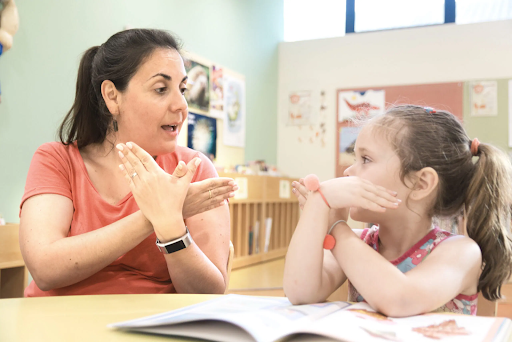
When a kid starts in a nursery, most parents look at a wall of certificates and wonder what they really mean. Those pieces of paper aren’t just pretty decorations. They are supposed to show that a caregiver has learned the basics about keeping little ones safe, feeding them, playing with them and helping them learn. In practice, however, a certificate can be both a promise and a puzzle.
So, What Counts as an Early‑Years Qualification?
Broadly, a qualification is any formal proof that someone has studied child development, health‑and‑safety rules, how to deal with misbehaviour, and basic teaching tricks. It can be a short “Certificate in Childcare,” a Level 2 NVQ, a Level 3 CACHE diploma, or even a university degree in early childhood education, all the way up to level 4 childcare courses. Some courses lean heavily on hands‑on practice – you spend hours in a playgroup, keep a portfolio, get observed by a mentor. Others are more book‑ish, covering attachment theory, brain growth, or classroom planning.
Do you know which mix fits your child’s setting? A tiny city‑centre preschool might prefer someone with a Level 3 diploma who can design a weekly activity plan, while a volunteer‑run playgroup may only need a basic Level 1 certificate to assure parents that the volunteers understand hygiene and safeguarding.
Levels From the Ground Up
- Entry‑Level / Level 1: These are the “starter” badges. They teach the very basics: how babies feed, how to change diapers, what to do if a child falls, and the simplest safeguarding ideas. They are usually enough for a volunteer or a new assistant in a large nursery.
- Level 2: This level goes a step deeper. Learners study developmental milestones, learn to observe a child’s progress, and start to help run small group activities. Many “childcare assistant” jobs list a Level 2 NVQ as a requirement.
- Level 3: Here the training adds planning for learning, differentiating for kids who need extra help, and supervising a small team. With a Level 3 diploma you might become a “lead practitioner,” design a daily schedule, or work with children who have special educational needs.
- Higher‑Education / Specialist: Degrees or advanced diplomas let people focus on things like special needs (SEN), leadership, or research. A graduate who studied “Early Childhood Studies” could move into a director role, advise a local authority, or design curricula for an entire chain of nurseries.
Choosing the Right Path
Picking a qualification feels a bit like shopping for a new phone. You have to think about what you already know, where you want to work, how you learn best, and whether you can study full‑time, part‑time or online.
If you’re fresh out of school and want a part‑time job at a community centre, a Level 1 certificate might be enough. If you already have two years of experience in a preschool and want to lead a small team, a Level 3 could be the next logical step. Some people love the classroom feel of a local college – you get to practice with real kids, get immediate feedback, and see how your ideas work. Others need the flexibility of an online NVQ because they are juggling a night shift at a hospital.
Accreditation matters, too. A course from an un‑registered provider may give you a piece of paper, but most employers look for credentials that are recognised by the national awarding bodies. It’s worth double‑checking that the college or training centre is listed on the official register.
Critiques and Things to Watch Out For
Some argue that the whole system can become a “paper race.” A teacher might collect a Level 3 diploma, yet still struggle to connect with a shy five‑year‑old. The training sometimes focuses too much on ticking boxes – like completing a portfolio – instead of real‑world problem solving. Also, the rapid rise of online courses has led to a flood of cheap, low‑quality options that promise quick certificates but give little practical skill.
Moreover, the emphasis on qualifications can push out experienced caregivers who never had the chance to study formally. A veteran “grandma‑type” helper may know how to soothe a crying infant better than a fresh graduate, yet she might be passed over because she lacks a piece of paper.
How to Get Qualified
- Find a Provider – Look at local colleges, specialist training centres, or approved online platforms. Check the provider’s accreditation on the national awarding body’s website.
- Decide the Mode – Full‑time gives you immersion, part‑time fits a job schedule, online gives flexibility.
- Gather Evidence – Most assessments need a portfolio: records of you watching children, reflective notes on what you did, maybe a short essay on safeguarding.
- Pass the Assessment – You’ll usually be observed in a real setting, and a qualified assessor will review your portfolio.
- Get the Certificate – Once you pass, the awarding body sends you a certificate or diploma. Keep a digital copy for job applications.
Why It All Matters?
When parents see a practitioner’s qualification, they feel a bit safer – they think “this person knows the basics, so my child will be looked after.” For the caregiver, a qualification can open doors to higher pay, leadership roles, or specialist work. For the whole early‑years sector, standards help keep quality up and protect children from neglect or abuse.
But it’s also true that a certificate alone does not guarantee a nurturing environment. The best early‑years settings blend formal learning with genuine love, curiosity and respect for each child. A qualified practitioner who still treats a toddler like a “task” is missing the point.
And Lastly
Early‑years qualifications are more than just paper; they are a mix of knowledge, skills and, ideally, a caring attitude. Knowing the different levels – from entry‑level to university degree – helps you decide what fits your career goals or your child’s needs. Look at the provider’s reputation, think about how you learn, and remember that real competence shows up in everyday interactions, not just on a certificate. When you balance the paperwork with real‑world practice, you help create the kind of safe, stimulating spaces where kids can truly thrive.