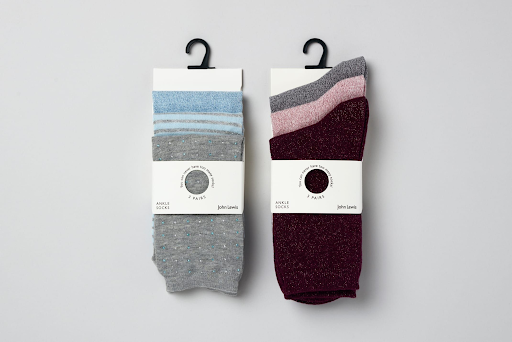
Custom Socks Tags can be perceived as a small feature, but it is usually this that determines the way a pair of socks is perceived. A label provides the product with a personality even before an individual puts it on. It will be able to display the brand name, tell why it is of this particular fabric, give some washing tips or even a little personal statement that will not be out of place during the design.
For a new sock brand, a sports team, a gift store or an online vendor, this small card will make the product appear complete as opposed to a rushed job. Sorting, pricing and displaying can also be easily done by shops using tags. The entire item becomes more credible and comfortable to believe in when the design is similar to that of the socks. Sock manufacturers tend to use tags as an element of the branding and packaging in the form of the private label.
First Impression Matters
Before individuals can see minute details in products, they will first see the packaging. Two pairs of custom socks tags with logo can be professionally stitched and made of the warmest yarn, but without a tag, it can be just another pair hanging upside down. A tag will present the producer and provide the buyer with a pause.
Even a mere piece of card which has a logo and a single line of text can make the product look more organised. This is particularly applicable in retail areas with large stock that are near each other. The tag is the mute message that one is concerned about in the final presentation. It doesn’t have to be fancy or over-adorned to achieve that effect.
Shelf Presence And Display
Socks are small items hence presentation contributes a lot in its differentiation. A hang tag provides the item with added height and visibility on a retail hook. A belly band is used to hold the pair together, displaying the pattern. The two options facilitate easier handling and keep shelves organised.
There are even ways to add prices or barcodes, or even seasonal information or a sale, to tags without modifying the sock itself. This allows flexibility when it comes to holidays, product launches and clearance. Even a simple pair can be complete with a fancy tag that will fit any busy showcase.
Selecting The Right Material
The content ought to correspond to the tag’s intention. Hang tags are best made with thick paper board, as it retains its shape and does not produce any marks when it is printed. Fabric labels are superior because they do not require leaving the information on the sock after purchase. Synthetic labels usually wash better, and cotton labels are softer to touch and use on products that are of good quality or handmade.
The end makes the mood different. The feeling of matte surfaces is calming and natural, and gloss surfaces sharpen the appearance of colours. The brands will then want recycled board or plain paper, which can achieve a simpler appearance. The correct material varies depending on the intended use of the tag; it can be for display, washing, gifting and long-term identification.
Design Without Clutter
A tag can be optimally used when it augments the socks, rather than being opposed to them. Bright streetwear designs can be fitting with old styles and bold colours. A plain formal sock could be enhanced with just a small label, gentle colours and simplistic text. Space around the logo maintains a relaxed design and less cluttered appearance.
The front can be sparse, and additional information is placed on the back. The font size is to be large enough to read, but not to occupy the whole card. This is because an even distribution of the product gives it a feeling of consideration, which can be equally important as the pattern on the socks themselves.
Attachment And Placement
The manner in which a tag is attached to the sock impacts its appearance and functionality. A hand strapped take the shape of a punched hole and is placed on a string to make it handmade and suitably applied to gift products. Fasteners made of plastic are a quick solution for retail, but they may appear less sophisticated. Belly bands are used to cover the pair and hold the socks in place for display packaging.
Embroidered labels remain in place when the outer tag is taken off, and they may be located in the cuff or on the edge. The position-not to be confused with shape- should not influence comfort or alter the shape of the sock. Testing a sample before a complete production run is used to ensure that the attachment remains good and appears correct in normal looking when in use.
Care Labels That Last
A tag should be washable, in case it contains washing directions. When touched by water, ink can bleed, paper may become mushy and tiny fonts can thus become difficult to read. The soft edges and nice material are important in the case of labels that are left on the sock, as rough labels may pose a problem to the skin.
Durability is also important, as is accuracy. The information about the wrong fibre or ambiguous design can become problematic both to the buyers and sellers. Checking a washed sample before ordering in bulk is a viable method to check whether the printing, material and method of attaching work.
Gift Ready Finishing
A tag can be used on a gift like socks, which are usually very popular. Just a name, date, brief message or themed design custom logo tags can transform a plain pair into one that is printed for a special occasion. Wedding parties, sports teams, holidays, birthdays or charity events are some of the common uses of gift brands using tags.
The tag offers the buyer a reason to identify with the product other than its colour or pattern. It can also match the box, bag, or wrapping paper to create a complete gift look. When the tag and the packaging collaborate, the product becomes that much more special without necessarily the costly extras.
Conclusion
Custom Socks Tags are mini devices that play a huge part in the presentation and memory of the socks offered. They add the brand, clarify the key points, enhance the appearance of the retail stores, and enhance the gifting experience. A good tag need not be multifaceted. Clarity of text, appropriate content, moderate designs and secure attachment are typically sufficient.
Socks could be sold in a store or delivered via the Internet or handed out as gifts, but a tag will contribute to a more positive initial impression. In the case of anyone creating a sock range, it may be important to consider this decorative touch, as it can make the whole product look and feel more professional and memorable.