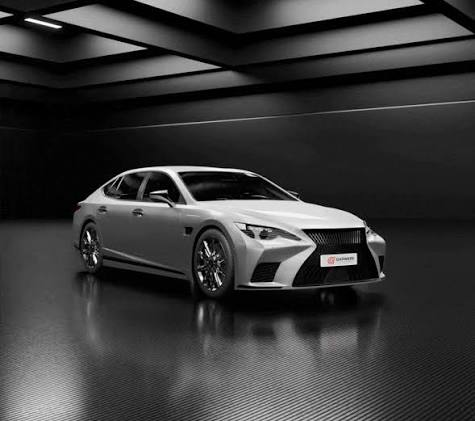
The look of a car says a lot about the owner. Some people like a glossy finish; some like the understated elegance of a matte surface. The smooth satin look gives a vehicle a unique look without overdoing it with shine. But that finish can be hard to maintain, especially when the car is exposed to dust, road debris, harsh sunlight, and everyday driving conditions.
That’s where a matte PPF can be a lifesaver. It helps to maintain the look of the vehicle while adding a layer of protection against common paint damage. For car owners who want a stylish finish without sacrificing protection, knowing how this technology works may make the decision that much easier.
What Is Matte PPF?
Matte paint protection film is a clear or finish-enhancing protective layer applied to a vehicle’s painted surfaces. Matte PPF provides a satin-like look, not a shiny reflective look like regular glossy films. Depending on the product you choose, it can either be used to protect factory matte paint or give a gloss-painted car a more subtle, contemporary finish.
The film is usually made of thermoplastic polyurethane (TPU), a flexible material that absorbs small impacts and resists surface damage. UV resistance and self-healing technology can reduce light scratches on quality products. The result is attractive and protective.
Key Benefits of Matte PPF
1. Scratch protection daily
It can be daily scratched by the small branches on the roadside, loose gravel, accidental contact, or carelessness. Matte PPFs protect the paint finish on a vehicle from the elements, though no film will protect against all damage.
This is handy for vehicles that frequently use busy city streets, tight alleyways, and packed parking lots.
2. Keeps a matte finish
Matte finishes need different care than high-gloss paint. Matte surfaces are harder to maintain since polishing brings out shine or uneven patches.
A good matte ppf film will protect the finish beneath it and keep it looking consistent. If your car has a factory matte finish, select a product that is compatible so you don’t change the texture or color.
3. Resistance to environmental toxins
Dust, bird droppings, insect remains, tree sap, and road grime can all damage a car’s finish if left unchecked. A quality protective film makes routine cleaning easier and reduces the paint’s exposure to contaminants.
But film does not replace washing. Cleaning products recommended by the film manufacturer should be used immediately to clean contaminants.
4. Self-healing ability
Some premium movies feature self-healing topcoats. Small marks on the surface can disappear at the right temperature. It helps to keep the film cleaner with daily use.
Not all self-healing films are scratch resistant. Typically, this feature will not cover deep cuts, punctures, or damage through paint.
5. Retains Resale Value
A clean car exterior helps attract buyers when selling. Matte PPF can protect the original paint of the car and make the car look better.
Resale value depends on the vehicle, its condition, buyer preference, and quality of installation. Not a guaranteed financial return, but appearance preservation.
Where Should Matte PPF Be Applied?
The appropriate cover depends on the use of the car and the owner’s budget. Typical areas are the front bumper, hood, front fenders, side mirrors, and door edges, as these are areas that are commonly susceptible to stone chips, scratches, and accidental contact.
Owners could elect to cover the whole vehicle for a wider range of protection. For vehicles with factory matte paint, full-body coverage is especially worth considering, since consistency of finish across panels can be important.
Before installation, discuss the desired coverage with a professional installer. Choose the film depending on the type of paint on the vehicle and the desired finish.
Matte PPF vs Traditional PPF Film
The difference is mostly in the finish. Traditional clear PPF is typically designed to maintain or enhance a glossy finish, while matte PPF offers a softer, non-reflective look.
Depending on the construction and specifications, both kinds can provide protection from minor abrasions and road debris. The best choice will depend on the existing paint on the vehicle and what you want the end result to be.
It is also worth comparing film thickness, UV resistance, warranty terms, stain resistance, and self-healing performance before buying. Not all products provide the same level of protection.
Installation and Maintenance Tips
Bad installation can ruin a great film. Find a matte finish technician to prepare the surface and use paint-safe products.
Allow the recommended curing time before washing your car. Use soft wash mitts, pH-balanced auto shampoo, and clean microfiber towels. Unless recommended by the manufacturer, avoid abrasive polishes, harsh chemicals, and waxes that can alter matte finishes.
Check the film regularly, especially at panel edges and high impact areas. Lift/damage issues should be addressed quickly to prevent further problems.
Is Matte PPF Worth It?
Matte PPF can be a nice investment for owners looking for a unique finish and also wanting a bit of extra protection from everyday wear. It combines a protective barrier with subtle styling, making it appealing for factory matte vehicles and specific gloss-painted cars.
The trick is picking the right film, knowing its limits and getting it professionally installed. With the right product and proper routine care, matte PPF can help your car keep its character while making day-to-day ownership a little less stressful.