A successful salon combines visual elegance, practical workflow, client comfort, and professional functionality. Thoughtful design choices help businesses create spaces that feel premium while supporting efficient daily operations.
Selecting suitable hair salon furniture is an important part of this process. The right combination of seating, styling areas, storage, and service equipment can improve space utilisation and create a consistent visual identity. For B2B salon owners, design decisions should also consider durability, maintenance, employee workflow, and the expectations of clients who spend extended periods within the space.
Creating Cohesive Interiors with Hair Salon Furniture
Well-planned furniture choices establish the foundation for a professional salon environment while balancing aesthetics, comfort, functionality, and efficient use of available space.
1. Planning Furniture Around Workflow
Furniture placement should support smooth movement between styling, washing, treatment, and reception areas. Businesses can assess the number of service stations, employee movement, client circulation, and available floor space before finalising a layout. A well-organised arrangement reduces unnecessary movement and helps staff work more efficiently during busy operating periods. It can also create clearer pathways for clients while maintaining sufficient space around individual service areas. Choosing furniture based on the salon’s operational needs ensures visual appeal doesn’t compromise everyday functionality.
2. Selecting Comfortable Styling Solutions
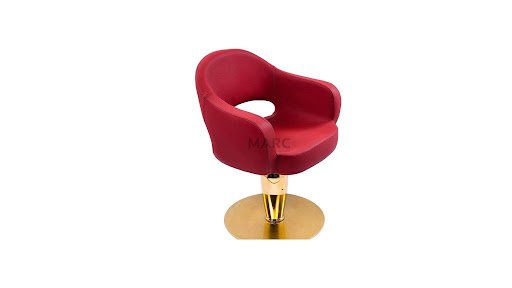
Client comfort directly influences the overall salon experience, particularly when services require customers to remain seated for longer periods. Styling chairs should provide suitable support while complementing the surrounding interior design. When selecting seating solutions, consider upholstery, proportions, placement, and ease of cleaning. Consistency across multiple stations can also create a more coordinated appearance. From a commercial perspective, durable and practical furniture can support regular use while helping the salon maintain a polished environment throughout its operating cycle.
3. Creating Visual Consistency Across Areas
Luxury interiors often depend on consistency rather than excessive decoration. Matching finishes, complementary textures, coordinated colours, and similar design elements can connect different sections of a salon. Styling areas, manicure spaces, spa areas, and reception zones should contribute to one overall visual language. Businesses can select finishes that reflect their intended positioning while considering maintenance requirements and long-term usability. A consistent environment creates a more professional appearance and allows individual furniture pieces to contribute to the salon’s broader design concept.
4. Considering Customisation for Business Needs
Commercial salon projects may have different spatial requirements, service models, and design concepts. Customisation helps businesses adapt selected furniture to dimensions, finishes, colours, or other available specifications. This approach can be especially useful when standard configurations don’t match a planned interior. However, businesses should confirm available customisation options for individual products before ordering. Careful planning ensures customised pieces remain practical while supporting the salon’s desired appearance and operational requirements.
Enhancing Professional Spaces with Luxury Salon Equipment
The right equipment can complement salon interiors while supporting service efficiency, employee comfort, and a consistent client experience across different areas. Premium salon environments require more than attractive furniture, as businesses need solutions that support specific services while fitting naturally within the overall layout. When selecting luxury salon equipment, businesses should consider functionality, available space, maintenance, durability, and compatibility with their service model.
Equipment that integrates well with the interior can create an organised workspace without making the environment appear crowded. For multi-service salons, selecting complementary designs across different work zones can strengthen visual consistency while supporting efficient operations. Thoughtful equipment selection also helps businesses create professional service areas that balance practical requirements, aesthetic appeal, employee usability, and client comfort.
Designing Service Areas for Comfort and Efficiency
Service areas should combine ergonomic planning, accessible equipment, adequate space, and visual appeal to create a balanced commercial environment.
1. Improving Staff Movement
Workstations should allow professionals to access essential tools without unnecessary movement. Adequate spacing between service areas supports smoother operations and helps staff transition between tasks efficiently. Businesses should consider equipment placement, furniture dimensions, and clear pathways when planning the floor layout. This approach supports productivity while maintaining an organised salon environment.
2. Supporting Client Comfort
Comfortable seating and thoughtfully designed service areas can make longer appointments more manageable. Businesses should consider posture support, accessible controls, suitable positioning, and adequate personal space when selecting furniture. Well-planned client areas create a more comfortable experience while maintaining professional standards and ensuring that staff can provide services efficiently.
3. Maintaining Clean and Organised Areas
Easy-to-maintain surfaces and organised storage can simplify routine cleaning while preserving the salon’s professional appearance. Businesses should select furniture and equipment that support practical maintenance schedules and hygienic operating practices. Keeping service areas organised also improves workflow, reduces clutter, and helps employees maintain a consistently presentable environment throughout regular business operations.
4. Coordinating Materials and Finishes
Consistent materials and finishes help create a unified appearance across different service zones. Businesses can coordinate upholstery, colours, textures, and structural finishes to develop a refined interior without excessive decoration. A consistent design language strengthens the salon’s visual identity while ensuring that furniture and equipment complement the overall commercial environment and service experience.
Creating a Refined Finish with a Salon Wash Station
The washing area plays a key role in service delivery and client comfort, so thoughtful equipment selection is essential for a professional salon environment. A well-designed salon wash station should support comfortable positioning while giving professionals practical access to the basin, shower, mixer, and drainage features. Modern shampoo stations can include ergonomic seating, ceramic basins, reclining functions, supportive cushioning, and customisable upholstery options on selected models.
Businesses should also consider placement, spacing, cleaning requirements, and workflow before installation. Choosing suitable washing equipment can create a dedicated service zone that feels comfortable and professional while supporting efficient operations. Careful planning allows the wash area to complement the salon’s wider design language, creating an integrated environment that balances functionality, comfort, appearance, and practical daily use.
Final Thoughts
Luxury salon design is ultimately about creating a practical environment that supports business operations while delivering comfort, consistency, and a polished visual experience. Furniture, equipment, layouts, finishes, and service areas should work together, not be selected independently.
For businesses seeking coordinated salon solutions, MARC Salon Furniture offers salon furniture and professional equipment across categories including styling chairs, spa beds, pedicure and manicure furniture, shampoo stations, nail tables, beauty machines, and related commercial solutions. They also provide customisation options for selected products, allowing businesses to consider dimensions, colours, finishes, and specific design requirements based on available product specifications.