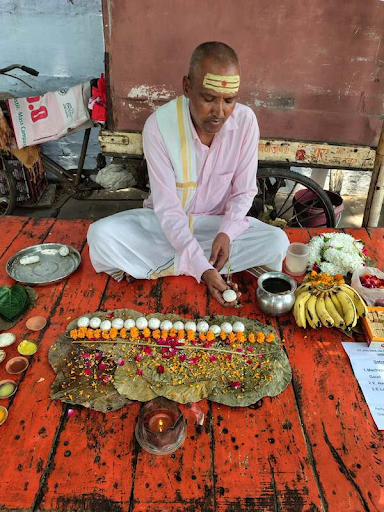
Kashi holds a special place in Hindu spiritual traditions, drawing families who wish to honour departed loved ones through ancestral rituals. Kashi me pind daan is a sacred observance performed with devotion under the guidance of a knowledgeable priest. The ceremony involves several steps, including sankalp, pind preparation, prayers, offerings, tarpan and pind visarjan. Each ritual carries traditional significance and helps families participate according to established customs. Understanding the process beforehand can make the ceremony easier to follow and allows participants to prepare the required details, clothing and ritual materials properly.
Why is Pind Daan Performed in Kashi?
Pind Daan is an ancestral ritual in which food offerings, commonly prepared as pind, are offered in remembrance of departed family members. Hindu traditions associate the rite with expressing gratitude, fulfilling duties toward ancestors and praying for their peace.
Kashi, also known as Varanasi, is regarded as a sacred pilgrimage destination because of its connection with the Ganga and longstanding religious traditions. Pind Daan may be performed at the Ganga ghats or Pishachmochan Kund. Customs can vary according to family, region and priestly tradition, so families should follow guidance appropriate to their lineage.
Where is the Ritual Performed?
Pind Daan in Kashi is commonly arranged at a Ganga ghat. Important locations for ancestral rites include Raj Ghat, Manikarnika Ghat and Harishchandra Ghat. Raj Ghat is also known for convenient road access and parking.
The setting beside the Ganga gives the ceremony a distinct spiritual atmosphere. A priest guides participants through the required steps and offerings according to the selected arrangement and family tradition throughout this sacred ritual process.
Step 1: Achaman and Ganga Jal
The ceremony begins with purification-related practices. Participants approach the river for achaman and wash their hands and feet. Ganga water is then collected in a vessel and brought to the place where the puja is performed.
This stage prepares participants for the offerings that follow. The priest explains each step and guides the family throughout the process.
Step 2: Preparing the Pind
The next important stage involves preparing the pind, traditionally shaped food offerings made according to the prescribed ritual method. In some arrangements, 16 rice balls are prepared, with the required materials provided for the ritual.
The pind represents an offering made in remembrance of ancestors. Participants prepare the offerings carefully and keep them ready for the sankalp and subsequent rites.
Step 3: Sankalp and Ancestral Invocation
Sankalp is a central part of the ceremony. During this stage, the participant formally states the purpose of the ritual along with relevant personal and ancestral details. The names and gotras of departed family members are recalled as the offerings are made.
This gives the ceremony a clear spiritual intention and connects the person performing the rite with the ancestors being remembered.
Step 4: Offerings and Abhishek
After pind preparation and sankalp, offerings are made as directed by the priest. Common materials can include flowers, fruits, sweets, turmeric, sesame, rice and betel leaves. These form part of the broader puja sequence.
Abhishek and related offerings are performed according to the priest’s instructions and family tradition. An aarti may also be performed during this portion of the ceremony.
Step 5: Daan and Acts of Charity
Many families include daan as part of their ancestral observance. Depending on the chosen arrangement, this may include vastra daan, or donation of clothing, patra daan involving utensils, anna daan involving food, and gau daan.
Not every family chooses the same offerings. The scope can depend on the selected package, family custom and guidance from the priest. Families should understand what is included before beginning the ceremony.
Step 6: Pind Visarjan
Once the principal offering has been completed, the pinds are collected and taken toward the river. They are then immersed in the Ganga as part of the visarjan ritual.
This marks an important transition in the ceremony. The offerings prepared and dedicated during the puja are respectfully released into the sacred river following the priest’s directions.
Step 7: Tarpan
Tarpan is another significant component of the ceremony. Participants offer water and black sesame toward their ancestors while standing in or near the river, according to the priest’s instructions.
The ritual symbolises remembrance and offering. After tarpan, participants receive guidance regarding completion of the ceremony and may offer dakshina as part of the traditional conclusion.
How Much Does Pind Daan in Varanasi Cost?
The pind daan cost in Varanasi depends on the services and offerings included. Commonly offered arrangements can vary from basic ceremonies to packages with additional daan and Brahmin bhojan, while some may also include gau daan. Priest charges, ritual materials and boat charges may be included depending on the selected package.
Prices and inclusions can change, so families should confirm the current package details before booking.
When Can Pind Daan Be Performed?
The appropriate date can depend on family tradition and circumstances surrounding the departed person. The annual tithi is considered important, while Pitru Paksha is traditionally associated with ancestral observances. Amavasya is another day observed for Pind Daan.
Because dates and requirements can differ, families should consult a knowledgeable priest before finalising the schedule.
Kashi and Gaya: Are They the Same?
Kashi and Gaya are both important destinations for ancestral rituals, but the ceremonies may differ in procedure and scope. Gaya Pind Daan may involve sacred places such as Vishnupad Temple, Falgu River and Akshay Vat, with a more elaborate process in some arrangements.
Therefore, families comparing Gaya mein pind daan with Kashi should consider the purpose, family tradition, location, number of ritual sites and services included rather than assuming the two ceremonies are identical.
Conclusion
Performing Kashi me pind daan involves more than making food offerings. It is a structured ancestral observance that may include achaman, Ganga Jal, pind preparation, sankalp, offerings, daan, pind visarjan and tarpan. With proper preparation and priestly guidance, families can complete each stage respectfully while following their traditions. Choosing the right date, location, ritual package and priest can also make the experience more organised and meaningful.
For families seeking trusted guidance for meaningful ancestral ceremonies, Pitradev helps families arrange sacred ancestral rituals in Kashi and other pilgrimage destinations with experienced priests and guided ceremonies. Their services include Pind Daan, Shradh, Tarpan, Asthi Visarjan, online rituals, and related pujas. They assist with ritual arrangements, priests, puja materials, and travel support, helping families complete important ceremonies with greater convenience, clarity, confidence, and peace of mind.