The surfaces used in homes, offices, commercial establishments, and public spaces play an important role in both appearance and functionality. Furniture, wall panels, workspaces, counters, doors, and other interior elements need surfaces that can withstand everyday use while complementing the overall design.
High-pressure laminates, commonly known as HPL, have become a popular choice for these applications because they combine decorative possibilities with practical performance. They come in a wide range of colours, patterns, textures, and finishes, allowing architects, interior designers, contractors, and homeowners to create distinctive spaces.
However, choosing the right material is only one part of the process. Selecting a reliable hpl sheet manufacturer is equally important because manufacturing quality, product consistency, technical specifications, design options, and service support can all influence the final result. Virgo HPL World is one manufacturer that professionals can consider when exploring architectural surface solutions.
What Are High Pressure Laminates?
High-pressure laminate is a decorative surface material manufactured by combining layers of paper with resin and pressing them under high pressure and temperature. The resulting sheet can be used on suitable substrates for furniture, interiors, commercial spaces, and other applications.
HPL’s popularity comes from its combination of design flexibility and practical performance. Depending on the product and application, laminates can offer resistance to everyday wear, moisture, heat, and impact.
Modern HPL collections are also available in numerous finishes, making it possible to achieve anything from understated solid colours to wood-inspired surfaces and contemporary patterns.
Why HPL Is Popular in Interior Design
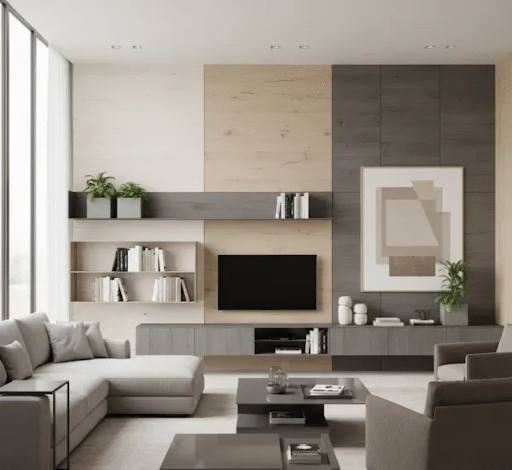
Interior design is no longer limited to choosing furniture and wall colours. Surface finishes can significantly influence how a space looks and feels. HPL lets designers experiment with different visual styles without compromising the practical needs of high-traffic surfaces. Designers can incorporate it into furniture, cabinetry, wall applications, partitions, counters, and other interior elements.
For residential projects, laminates can be used for kitchens, wardrobes, study areas, living-room furniture, and other surfaces. In commercial environments, they can contribute to the appearance and durability of reception desks, workstations, retail interiors, hospitality spaces, and offices.
Factors to Consider When Choosing an HPL Sheet Manufacturer
With numerous suppliers on the market, buyers should evaluate manufacturers carefully rather than choosing a product based only on appearance or price. When comparing an hpl sheet manufacturer, consider product quality, technical specifications, design range, durability, and support services.
Product Quality
Consistency is one of the most important considerations. Laminates should maintain reliable quality across batches, particularly when a project requires a large quantity of the same design. Buyers should review technical specifications, surface characteristics, thickness options, and the product’s suitability for the intended application.
Design and Finish Options
A good laminate collection should provide enough variety to accommodate different design concepts. Depending on the manufacturer, collections may include solid colours, woodgrains, patterns, matt finishes, gloss surfaces, textured finishes, and speciality designs. Having access to a broad selection allows designers to create coordinated interiors.
Durability
The surface needs to match the environment in which it will be installed. A residential wardrobe may have different requirements from a busy commercial reception area or a high-traffic public space. When comparing products, buyers should consider factors such as resistance to moisture, heat, impact, scratches, and everyday wear according to the manufacturer’s specifications.
Technical Support
Product selection can sometimes be complicated, especially for larger architectural and interior projects. A manufacturer that provides technical information, product documentation, installation guidance, samples, and consultation can make the selection process easier for architects, designers, contractors, and fabricators.
The Importance of Surface Finish
The finish of an HPL sheet can greatly affect the appearance of a completed project. Matt finishes can create a subtle and contemporary appearance, while high-gloss surfaces can provide a more reflective look. Textured finishes can add depth and visual interest, while wood-inspired designs can bring a natural character to furniture and interiors.
The right finish depends on the project’s design language and practical considerations such as cleaning requirements and expected usage. For example, a heavily used commercial surface may require different considerations from a decorative residential feature.
HPL for Residential Applications
Homes require surfaces that combine aesthetics with everyday practicality. HPL can be used in a variety of residential applications, including wardrobes, kitchen cabinets, study tables, storage units, wall panels, doors, and furniture.
Because laminates are available in numerous colours and textures, homeowners can coordinate different areas of a home while maintaining a consistent design theme. The choice of finish should also consider the expected level of use and maintenance. Select frequently used surfaces based on their technical characteristics and visual appeal.
HPL for Commercial and Institutional Spaces
Commercial environments often see higher daily use. Offices, retail stores, hotels, healthcare facilities, restaurants, and public spaces need materials that maintain their appearance under regular use.
For these applications, the selection of the laminate should be based on the specific performance requirements of the project. Aesthetics remain important, but durability, maintenance, installation requirements, and technical specifications also matter.
Sustainability and Responsible Manufacturing
Sustainability has become an increasingly important consideration in the building and interiors industry. Buyers are paying greater attention to how materials are sourced, manufactured, used, and managed throughout their lifecycle. When evaluating manufacturers, it can therefore be useful to examine their approach to responsible sourcing, resource efficiency, recycling, and environmental management.
Manufacturers may also provide certifications or documentation relating to sustainability and product standards. Buyers should verify the specific certifications applicable to the products they are considering rather than relying on general environmental claims.
Comparing the Best Laminates Manufacturers
The phrase best laminates manufacturers can mean different things depending on a project’s requirements. A manufacturer suitable for a residential furniture project may not be the ideal choice for a large commercial development. Instead of relying solely on brand reputation, buyers should compare manufacturers according to measurable factors such as product range, technical specifications, quality consistency, design options, certifications, availability, technical support, and project requirements.
Samples can also be useful. Examining an actual laminate sample allows designers and buyers to evaluate colour, texture, finish, thickness, and overall appearance before placing a larger order.
Why Product Range Matters
A diverse product portfolio can make it easier to source different surface solutions from a single manufacturer. Modern manufacturers may offer standard HPL along with compact laminates, exterior surface solutions, speciality decorative laminates, panels, and related materials.
This can be useful for larger projects where different areas require different performance characteristics. Access to coordinated designs across product categories can also help maintain visual consistency throughout a project.
Working With Architects and Designers
Architects and interior designers often need materials that meet both creative and technical requirements. A strong manufacturer should provide accurate product information and help professionals identify suitable solutions. Access to catalogues, samples, technical documentation, and consultation can help designers make informed decisions.
Manufacturers that understand the requirements of architects, interior designers, contractors, fabricators, dealers, and distributors can also support smoother project planning and procurement.
Making the Right Choice
Selecting an HPL sheet should begin with understanding the project’s requirements. Consider where the material will be installed, how frequently the surface will be used, the expected environmental conditions, the desired appearance, and the available budget.
After establishing these requirements, compare suitable products based on technical performance, finish, thickness, design, certifications, and manufacturer support. Also follow the manufacturer’s recommendations for fabrication, installation, cleaning, and maintenance. Proper installation can significantly affect a surface’s long-term performance.
Conclusion
Choosing an HPL sheet manufacturer is an important decision for architects, interior designers, contractors, furniture manufacturers, and other professionals working on modern spaces. Consider product quality, design variety, technical performance, sustainability, documentation, and customer support before choosing.
For buyers comparing the best laminates manufacturers, it is helpful to look beyond appearance and evaluate the complete product offering and manufacturing capabilities. Virgo Group is one manufacturer that professionals can explore when looking for HPL, compact surfaces, exterior solutions, panels, and other architectural surface products.