Your credit score is an essential aspect of your financial wellbeing, especially in a country like India, where lenders rely heavily on it to determine your creditworthiness. Many individuals fall prey to errors in their CIBIL score that can adversely affect their ability to obtain loans or favorable interest rates. In this article, we will explore how to correct CIBIL score errors and ensure that your report is accurate and up to date.
Understanding CIBIL Score
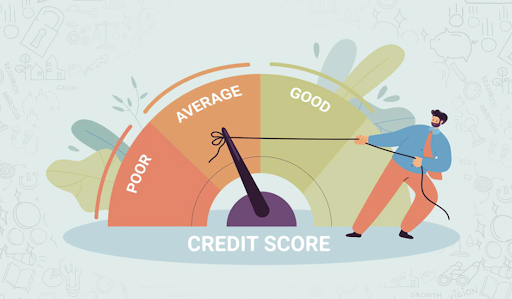
Before we dive into the correction process, it’s crucial to understand what a CIBIL score is and how it affects your financial status. The Credit Information Bureau (India) Limited, or CIBIL, is the first credit bureau in India that provides credit reports and scores. Your CIBIL score ranges from 300 to 900, with higher scores indicating better creditworthiness.
What Causes CIBIL Score Errors?
Errors in your CIBIL score can arise from various sources, including:
- Incorrect Personal Information: Typos or errors in your name, address, or contact details.
- Duplicate Accounts: Multiple entries for the same credit account can lead to inflated outstanding amounts.
- Payment History Errors: Mistakes in recording your payment history can misrepresent your credit behavior.
- Credit Utilization Errors: Incorrect reporting of credit limits or outstanding balances.
- Fraudulent Accounts: Unauthorized accounts opened in your name due to identity theft.
These errors can lead to a lowered CIBIL score, which could impact your ability to secure loans or credit.
How to Correct CIBIL Score Errors
Step 1: CIBIL Score Checking
The first step in dealing with CIBIL score errors is to check your score. Regular Bajaj CIBIL score checking will help you maintain a healthy financial profile and catch any errors before they become problematic. You can check your CIBIL score online by visiting the official CIBIL website and providing the necessary information. This report will give you a comprehensive view of your credit accounts and history.
Step 2: Obtain Your CIBIL Report
Once you’ve checked your score, the next step is to obtain your CIBIL report. You can request a free credit report once a year from CIBIL, and it typically takes a few minutes to generate. If you notice discrepancies, take note of the specific details that require correction.
Step 3: Identify Errors in the Report
Carefully analyze your report for any inaccuracies. Look out for:
- Personal Information: Ensure your name, address, phone number, and date of birth are correct.
- Account Details: Verify that all your account information, including credit limits, outstanding balances, and payment history, matches your records.
- Payment History: Look for any missed payments or defaults that you believe are recorded inaccurately.
Step 4: Raise Disputes with CIBIL
If you find errors, the next step is to raise a dispute with CIBIL. You can do this by following these steps:
- Visit the CIBIL Website: Go to the dispute resolution section.
- Log In: Use your registered credentials to log in. If you don’t have an account, you may need to create one.
- Fill Out the Dispute Form: Provide details of the errors you have identified. CIBIL will require supporting documents to validate your claims.
- Submit the Dispute: Once you’ve completed the form, submit it for review.
Step 5: Monitor the Dispute Status
After submitting your dispute, keep an eye on its status. CIBIL typically takes 30-45 days to investigate and respond. You will be notified via email regarding the outcomes of your dispute. If your discrepancies are validated, the corrections will be reflected in your CIBIL report.
Step 6: Get Updated Report
Once the corrections are made, be sure to download your updated CIBIL report. Regularly review your report to ensure that all information is accurate and reflects your current financial situation.
Conclusion
Errors in your CIBIL score can have lasting repercussions on your financial health, making it critical to take the necessary steps to correct them. By understanding how to check your CIBIL score, identify errors, and submit disputes, you can ensure that your credit profile accurately represents your financial behavior.
Regularly monitoring your CIBIL score is not just a good practice; it’s a vital step toward maintaining a healthy credit history. Ensuring that your credit report is up to date and free from errors can help you secure loans with favorable rates and make better financial decisions.
In summary, if you find yourself asking how to correct CIBIL score errors, remember that the process is straightforward—you simply need to check your report diligently, identify errors, raise disputes, and continually monitor your credit profile. By doing so, you can safeguard your financial future and empower yourself to achieve your monetary goals.