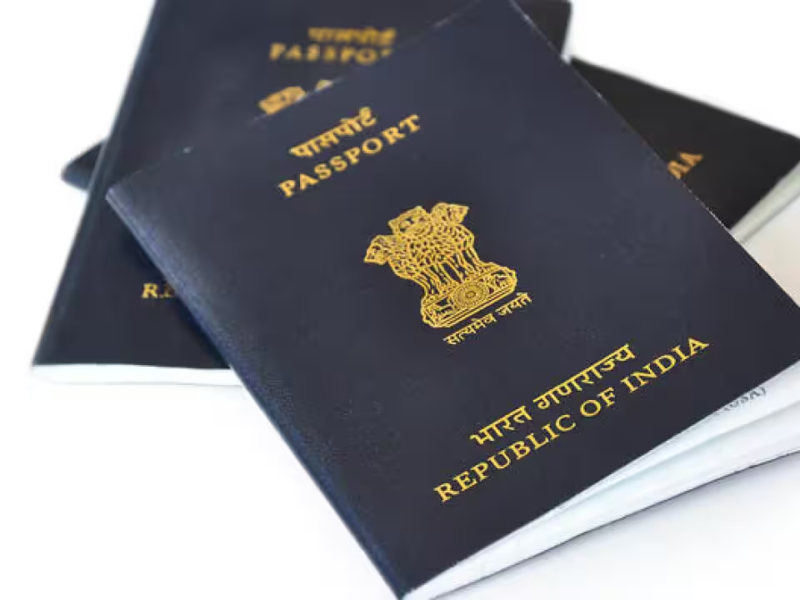
Planning international travel involves much more than booking flights and accommodations. Securing a visa appointment is one of the most important stages of the application process, as appointment availability directly influences travel timelines and overall preparation. Applicants travelling for tourism, business, education, or family visits should understand the booking process early to avoid unnecessary delays and last-minute complications.
Monitoring Schengen visa appointment availability helps applicants prepare documentation, organise travel plans, and schedule appointments within appropriate timeframes. Early planning, accurate documentation, and awareness of appointment trends improve the chances of completing visa formalities efficiently while ensuring a smoother overall application experience.
Essential Planning Practices for Successful Visa Appointments
Proper scheduling, organised documentation, and timely preparation help applicants secure appointments efficiently while reducing delays throughout the Schengen visa application process.
1. Booking Appointments Early
Appointment demand often increases during holiday seasons, summer travel periods, and academic admissions. Applicants who begin monitoring appointment schedules well in advance have greater flexibility in selecting suitable dates. Early booking also provides additional time to prepare supporting documents, complete application forms, and resolve any missing information before submission.
2. Preparing Complete Documentation
Well-organised documentation helps applicants complete appointment requirements efficiently. Passports, completed application forms, travel itineraries, accommodation confirmations, financial statements, travel insurance, and employment documents should be reviewed before the appointment. Complete documentation minimises delays while supporting a smoother application review process.
3. Monitoring Appointment Availability
Applicants should regularly check the availability of Schengen visa appointments through official visa application centres and authorised booking systems. Appointment schedules may change frequently due to cancellations, seasonal demand, or additional slot releases. Consistent monitoring increases the likelihood of securing suitable appointment dates.
4. Understanding Processing Timelines
Visa processing begins after the appointment rather than when travel plans are made. Applicants should consider embassy processing times, document verification, and possible additional review periods before confirming departure dates. Proper scheduling reduces travel uncertainty and improves planning.
5. Maintaining Accurate Information
Information submitted during appointment booking should match all supporting documents. Names, passport details, travel dates, accommodation information, and financial records must remain consistent throughout the application. Accuracy helps reduce verification requests and processing delays.
6. Preparing for Biometric Collection
Most applicants are required to provide biometric information during their appointment. Understanding biometric procedures beforehand helps applicants prepare appropriately while ensuring the appointment proceeds smoothly and efficiently.
Organised Scheduling Improves Application Readiness
Successful visa preparation depends on early planning, complete documentation, and proactive appointment management. Applicants who organise their travel requirements before scheduling appointments experience fewer delays and greater confidence throughout the application process.
Careful monitoring of Schengen visa appointment availability allows travellers to secure suitable appointment dates while preparing supporting documents in advance. This organised approach improves application readiness, reduces last-minute complications, supports timely processing, and creates a smoother overall experience before international travel.
Digital Solutions Simplifying Modern Visa Appointment Booking
Technology, organised planning, and timely updates enable applicants to manage visa appointments more efficiently while improving preparation throughout the application journey.
1. Online Appointment Management
Most visa application centres now offer online booking systems that simplify appointment scheduling and updates. These digital platforms allow applicants to review available dates, manage bookings, and receive important notifications, creating a more convenient and organised application experience.
2. Keeping Documents Ready
Preparing all supporting documents before booking an appointment reduces unnecessary stress later in the process. Maintaining organised records enables applicants to attend appointments confidently while minimising delays caused by missing or incomplete documentation.
3. Following Official Updates
Appointment procedures and documentation requirements may change periodically. Reviewing official announcements before attending an appointment helps applicants stay informed about updated guidelines and ensure compliance with current visa application procedures.
4. Flexible Travel Planning
Travel arrangements should remain flexible until visa processing is complete. Allowing sufficient time between appointment dates and intended travel minimises disruptions if additional documentation or processing time becomes necessary.
5. Professional Application Assistance
Many applicants choose professional guidance to better understand documentation requirements, appointment procedures, and submission processes. Expert support helps organise paperwork accurately, improves overall application preparation, and reduces common errors.
6. Improving Overall Application Efficiency
A structured approach to appointment scheduling, documentation, and preparation allows applicants to complete the visa process more efficiently. Organised planning contributes to smoother processing and improves confidence at every stage of the application.
Practical Measures That Improve Visa Appointment Success
Simple preparation strategies help applicants stay organised, reduce avoidable delays, and improve the overall efficiency of the Schengen visa appointment process.
1. Keep Passport Validity Updated
Ensure the passport meets the required validity period before scheduling an appointment. Renewing an expiring passport early helps prevent unnecessary complications during visa processing.
2. Maintain Digital Document Copies
Store scanned copies of passports, financial records, travel insurance, and supporting documents securely. Digital backups make it easier to access important information whenever required.
3. Double-Check Application Details
Review names, passport numbers, travel dates, and supporting documents carefully before submission. Accurate information helps minimise verification requests and processing delays.
4. Track Appointment Notifications
Regularly monitor email notifications and official booking portals for appointment updates, rescheduling notices, or newly released slots to avoid missing important communications.
5. Prepare for Appointment Day
Arrive on time with all original documents, photocopies, and appointment confirmations. Good preparation ensures the appointment proceeds smoothly and reduces unnecessary stress.
6. Stay Informed Throughout the Process
Follow official visa guidelines and processing updates until the application is completed. Staying informed helps applicants respond quickly to any additional requests from the visa authorities.
Final Thoughts
Well-planned visa applications begin with careful scheduling, accurate documentation, and timely preparation. Understanding visa slot availability alongside official application requirements enables applicants to organise travel plans more effectively, minimise avoidable delays, and improve overall application efficiency.
Professional support can simplify every stage of the visa journey. Schengen Visa Consultancy Limited provides comprehensive assistance with appointment scheduling guidance, document preparation, application review, and visa support services. Their experienced team helps applicants navigate the complete Schengen visa process with greater confidence, accuracy, and efficiency.