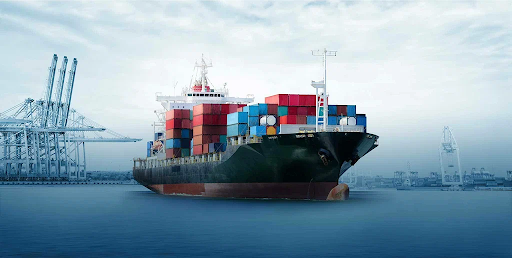
Global trade depends heavily on timing. Raw materials must arrive before production schedules begin slipping, export cargo needs customs clearance without unnecessary delays, plus inventory movement across ports often affects entire commercial supply chains much faster than businesses initially expect. Once shipments stop moving smoothly, operational pressure spreads quickly across warehousing, manufacturing, retail distribution, alongside procurement planning.
India’s growing trade network continues increasing the importance of coordinated freight movement through major ports and international shipping routes. Importers, exporters, distributors, plus industrial manufacturers now evaluate logistics partners based on shipment visibility, customs efficiency, documentation handling, and cargo coordination instead of transportation alone. For businesses managing international trade flow, dependable ocean logistics in India often becomes essential for maintaining operational continuity across global markets.
International Cargo Movement Requires Structured Coordination
Ocean freight involves much more than loading containers onto vessels. Cargo movement usually passes through multiple operational stages connected with inland transportation, customs processing, port handling, warehouse coordination, plus final delivery scheduling before shipments reach their destination.
That complexity affects planning directly. A delay at one stage frequently influences several connected operations afterward. Manufacturing schedules may shift. Inventory levels may tighten. Distribution commitments may suddenly require adjustment across multiple departments simultaneously.
Meanwhile, businesses managing recurring imports or exports generally prioritize consistency over isolated cost reductions because operational disruptions often create larger commercial consequences than transportation pricing alone.
Indian Ports Continue Supporting Expanding Trade Activity
India’s port infrastructure handles substantial cargo movement connected with industrial goods, retail inventory, machinery, chemicals, agricultural products, alongside containerized shipments moving toward international destinations. Because trade volumes continue expanding, logistics coordination around ports became increasingly important for businesses managing time-sensitive cargo operations.
Several logistics functions remain central to cargo movement:
- Import and export customs clearance coordination
- Full container and consolidated cargo handling
- Inland transportation connected with port movement
Documentation accuracy also plays a major role. Incorrect declarations, incomplete paperwork, or delayed approvals may interrupt cargo flow immediately during customs processing stages.
Customs Procedures Influence Shipment Timelines
Cargo reaching ports does not automatically move toward final destinations immediately after arrival. Customs review, inspection procedures, alongside compliance verification often determine how quickly shipments continue through the logistics chain.
Documentation Accuracy Prevents Delays
Commercial invoices, packing lists, bills of lading, alongside cargo declarations must remain fully aligned throughout customs procedures.
Regulatory Compliance Requires Ongoing Attention
Import-export regulations may change depending on commodity categories, destination markets, or updated procedural requirements connected with international trade.
Cargo Classification Impacts Clearance
Incorrect product categorization sometimes creates inspection delays, duty complications, or documentation review issues during processing stages.
Coordination Between Departments Matters
Customs authorities, freight coordinators, warehouse teams, plus transportation providers often need synchronized communication throughout cargo handling procedures.
Inside global logistics operations, paperwork inconsistencies frequently create larger operational disruptions than transportation issues themselves.
Different Industries Require Different Logistics Approaches
Not every cargo category follows identical transportation requirements. Shipment type often determines container selection, handling procedures, customs coordination, plus delivery scheduling across international freight operations.
Industrial Cargo Needs Structured Planning
Heavy machinery, equipment components, alongside manufacturing materials frequently require specialized coordination during loading and transportation stages.
Retail Supply Chains Depend on Timing
Consumer inventory moving toward warehouses or retail distribution centers usually follows tighter scheduling expectations connected with market demand.
Consolidated Freight Supports Smaller Shipments
Businesses managing lower cargo volumes often use shared container arrangements instead of full-container bookings to optimize logistics costs.
Export Cargo Requires Precise Coordination
Outbound shipments frequently involve destination-specific compliance procedures alongside structured customs documentation review before departure.
Meanwhile, businesses operating across multiple markets often require flexible logistics planning because shipping schedules, inventory demand, or production requirements may change unexpectedly throughout transit cycles.
Shipment Visibility Became Operationally Necessary
Modern businesses expect more than estimated delivery timelines. Cargo tracking, communication transparency, plus shipment visibility now influence logistics planning directly across commercial operations.
That expectation changed freight coordination rapidly. During logistics evaluations, ocean logistics in India discussions frequently involve shipment monitoring, customs coordination, cargo tracking, plus communication responsiveness because businesses increasingly rely on operational visibility during international transportation cycles.
Real-Time Updates Support Inventory Planning
Shipment visibility allows businesses to coordinate warehousing, manufacturing schedules, alongside procurement decisions more efficiently during cargo movement.
Communication Helps Reduce Uncertainty
Prompt updates regarding delays, inspections, or route adjustments often help businesses respond faster when operational disruptions occur.
Port Coordination Influences Delivery Timing
Container unloading schedules, terminal congestion, alongside inland transportation planning all affect cargo movement after vessel arrival.
Warehouse Integration Improves Cargo Handling
Temporary storage support sometimes becomes necessary during customs review, distribution preparation, or schedule adjustments connected with final delivery planning.
Reliable coordination therefore shapes logistics performance as strongly as transportation infrastructure itself during international cargo operations.
Logistics Networks Continue Expanding Beyond Transportation
Freight coordination no longer focuses solely on vessel booking or cargo movement between ports. Businesses increasingly require integrated logistics systems supporting customs handling, warehousing, inland transportation, alongside shipment planning under one operational structure.
Several logistics areas continue shaping cargo management:
- End-to-end freight coordination
- Customs brokerage and documentation handling
- Warehouse and cargo distribution support
Additionally, companies managing recurring international shipments often prioritize operational continuity because disruptions may affect manufacturing timelines, retail inventory, or contractual commitments across multiple regions simultaneously.
Supply chain reliability therefore depends heavily on coordination quality across interconnected operational stages rather than isolated transportation activity alone. Cargo movement became deeply integrated with broader business planning. Most companies recognize that quickly once delays begin affecting production schedules or inventory availability across different markets.
Final Thoughts
Could organized freight coordination improve how businesses manage international trade movement across India’s expanding logistics network? For many importers and exporters, the answer becomes obvious once shipment timing, customs procedures, plus inventory planning begin operating across multiple global routes simultaneously. Structured cargo management, customs coordination, shipment visibility, alongside integrated logistics support now shape how businesses approach international transportation planning each day.
Through ocean freight services, customs clearance coordination, cargo handling support, warehousing assistance, alongside multimodal logistics solutions, AVR Logistics continues supporting businesses managing domestic and international cargo operations across evolving trade environments. Companies evaluating a dependable shipping company often prioritize cargo visibility, operational consistency, and coordinated logistics management before selecting long-term transportation partners for international trade movement.