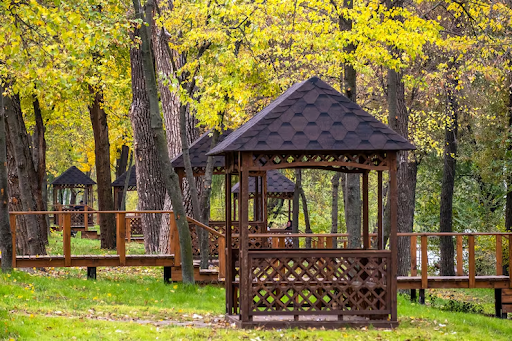
When homeowners explore timber framed gazebos, they are usually looking for something more permanent and character‑rich than a lightweight metal or fabric structure. A timber gazebo becomes a focal point that frames views, creates shade, and defines an outdoor “room” that feels as intentional as any interior living area. Understanding what goes into the frame, the wood, and the design helps you imagine how such a structure might work in your own yard.
What Makes A Timber Gazebo Different?
Unlike temporary shelters, a timber gazebo is built from substantial posts, beams, and a carefully engineered gazebo frame that can carry significant weight. This allows for more generous spans, higher ceilings, and roof designs that feel architectural rather than just functional. The mass of the timber itself adds a sense of stability and presence in the landscape.
Because the structure is customisable, proportions can be tailored to the scale of the house and the surrounding outdoor areas. The goal is not just to add shade, but to integrate the gazebo into the broader layout of patios, lawns, and planting beds so it looks like it belongs there.
How The Frame Shapes Function And Style
The frame of a timber gazebo does more than hold up the roof—it sets the visual tone. Large posts and beams create strong vertical and horizontal lines, while joinery details, bracket shapes, and beam overhangs influence whether the look feels traditional, rustic, or more contemporary.
From a practical standpoint, the frame determines:
- How open the interior feels.
- Where you can position seating, a dining table, or an outdoor kitchen.
- How easily you can integrate lighting, fans, or heaters.
Thinking of the gazebo frame as the skeleton of an outdoor room makes it easier to decide what you want to do beneath it.
Sizing A Timber Gazebo For Real Use
Choosing size is not only about how much yard space you have; it’s about how you plan to use the gazebo. A small structure might be ideal for a reading corner or a two‑person breakfast spot, while a larger timber gazebo can comfortably host dining tables, lounge furniture, or even a hot tub.
It helps to:
- Map out furniture footprints before finalising dimensions.
- Consider circulation paths around the structure.
- Think about future uses—such as adding more seating or a cooking area later.
Proper sizing ensures the gazebo feels generous rather than cramped, and proportionate to both house and garden.
Roof Forms, Light, And Weather Protection
The roof of a timber framed gazebo plays a major role in both aesthetics and comfort. Different roof styles—hipped, gabled, or more complex forms—affect how the structure looks from the house, from the yard, and from inside the gazebo itself.
Functionally, the roof should:
- Provide reliable shade at the times of day you’ll use the space most.
- Shed rain and, where relevant, snow appropriately.
- Allow for ventilation so hot air can escape.
Some homeowners incorporate partially open sections or skylight elements to balance shade and natural light while still feeling protected from the elements.
Integrating A Gazebo Into The Landscape
A timber gazebo rarely stands alone. How it connects to surrounding hardscape and planting strongly influences the final impression. Placing it at the end of a path, slightly raised on a deck, or adjacent to a pool can create natural destinations in the yard.
Consider:
- How views from inside the gazebo frame garden features or distant scenery.
- Whether surrounding plantings soften the structure’s edges.
- How night lighting will make the gazebo visible and inviting after dark.
These choices help the gazebo feel like part of a larger outdoor story rather than an isolated object.
Long‑Term Performance And Maintenance
Timber gazebos are designed to last many years, but, like any outdoor structure, they benefit from thoughtful material choices and periodic care. Properly selected and treated wood, attention to drainage at the base of posts, and appropriate finishes all help the structure perform well over time.
Regular maintenance might include:
- Inspecting finishes and re‑coating as needed.
- Checking hardware, fasteners, and any integrated systems.
- Ensuring adjacent planting and irrigation do not keep timber constantly wet.
Planning for this from the start makes ownership smoother and helps the gazebo age gracefully.
Using Gazebos Across Seasons
A well‑designed timber gazebo can be used across multiple seasons, not just during peak summer. With the right roof design and optional side elements—such as curtains, screens, or partial walls—it can provide shelter from sun, light rain, or wind, making it useful for everything from early‑morning coffee to cool‑season gatherings.
Integrating infrastructure, such as wiring for lights or fans, during construction rather than as an afterthought also makes the space more adaptable as your needs change.
Conclusion
Timber framed gazebos bring a sense of structure and permanence to outdoor living, turning parts of the yard into intentional, usable rooms. By paying attention to the gazebo frame, size, roof form, and how the structure connects with the rest of the landscape, homeowners can create a place that supports everyday routines and special occasions alike. Over time, a well‑executed timber gazebo becomes less of an add‑on and more of a defining feature in how people experience the home and garden.