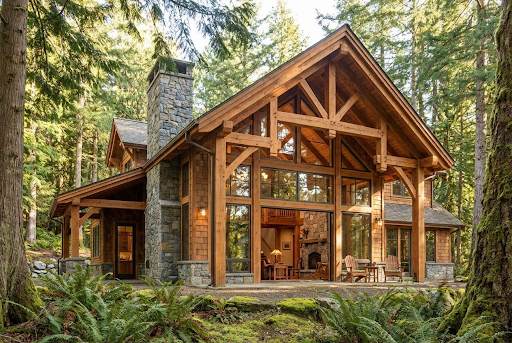
Custom timber structures for homes have been growing beyond niche markets into mainstream residential design. Homeowners seeking durability, aesthetic warmth, energy efficiency, and enduring architectural character are choosing residential custom timber structures as a cornerstone of their housing vision. From rustic cabins to contemporary timber frame estates, these structures merge engineering reliability with artisanal artistry.
This guide explains what makes custom timber frame homes unique, why they’re gaining popularity, the design and construction process, cost considerations, sustainability advantages, and real-world project inspirations.
What Are Custom Timber Structures for Homes?
Custom timber structures — also known as timber frame homes — are residential buildings where the load-bearing framework is constructed from large, solid wood timbers joined through precision joinery such as mortise-and-tenon, dovetail cuts, and pegged connections. Unlike conventional stick-framed homes that rely on nails and trusses, timber frames showcase exposed wood beams as both structural and aesthetic elements.
Key features include:
- Solid timber posts and beams
- Open interior spaces supported by crafted joinery
- Minimal interior load-bearing walls
- Architectural beauty combined with structural integrity
This engineering method has roots in centuries-old practices but has been modernized for contemporary residential projects.
Why Choose Custom Timber Frame Structures for Residential Properties?
There’s a reason why architects and homeowners alike are turning to timber frame homes:
1. Timeless Aesthetic Appeal
Natural wood exudes warmth and character unmatched by steel or concrete. Exposed beams, cathedral ceilings, and timber trusses create living spaces that feel both grand and inviting. For many families, the visual charm of timber is the primary draw.
2. Structural Strength and Durability
Large timber posts and beams are inherently strong. Properly designed and built timber frame homes resist heavy snow loads, seismic forces, and strong winds. These structures often outlast conventional framing with proper maintenance.
3. Open-Plan Living Made Easy
Timber’s strength allows wider spans between posts and fewer internal load-bearing walls. That means truly open floor plans, vaulted ceilings, and uninterrupted views — ideal for modern living and entertaining.
4. High Energy Efficiency Potential
While timber frame structures once faced criticism for thermal bridging concerns, today’s advanced insulation systems (structural insulated panels, spray foam, and high-performance glazing) allow timber homes to meet or exceed energy code requirements with excellent thermal performance.
5. Customization and Personal Expression
Every timber frame home is unique. Homeowners can choose exposed beam patterns, truss styles, wood species, finishes, and integration with architectural styles ranging from rustic to ultra-modern.
The Design & Build Process
Step 1 — Concept and Visioning
It starts with understanding homeowner goals:
- Desired square footage
- Architectural style
- Interior volume preferences (vaulted ceilings, lofts, mezzanines)
- Functional needs (office, workshop, open kitchen, etc.)
Design collaboration with architects and timber specialists ensures structural form aligns with lifestyle requirements.
Step 2 — Timber Selection and Engineering
Selecting the right wood species and structural configuration matters:
- Douglas fir: strength and aesthetic grain
- Southern yellow pine: dense and load-bearing
- Eastern white pine: lighter tone and workable
Engineers model structural loads, consider snow/wind zones, and design joinery that delivers strength and beauty.
Step 3 — Joinery and Shop Fabrication
Precision joinery defines custom timber homes. Skilled craftsmen cut mortise-and-tenon joints, pegged connections, and complex intersections that are later assembled on-site like giant wooden puzzles.
Fabrication in controlled shop environments increases accuracy and reduces weather-related delays.
Step 4 — On-Site Assembly
Cranes and coordinated crews lift and set timber frames, usually within a few days. After the frame is up:
- Roof systems
- Insulation systems
- Exterior cladding
- Interior finishes
are completed according to design specifications.
Cost Considerations
Custom timber structures are often perceived as expensive, but when weighed against longevity, energy efficiency, and resale value, they become competitive.
Typical cost influences:
- Timber species and grade
- Total square footage
- Complexity of joinery
- Finishes and custom detailing
- Mechanical and insulation systems
Many homeowners offset higher upfront costs through long-term energy savings and premium market appeal.
Timber Frame Homes and Sustainability
Timber is one of the most sustainable building materials available:
- Renewable resource: Responsibly harvested wood regenerates.
- Carbon storage: Wood locks in carbon, reducing building footprint.
- Low-impact manufacturing: Compared to steel or concrete, timber production uses less energy and emits fewer greenhouse gases.
- Biophilic benefits: Natural wood interiors support human health, wellbeing, and comfort.
Selecting FSC-certified timber and partnering with sustainable builders ensures your residential timber frame project aligns with environmental stewardship goals.
Real-World Residential Custom Timber Projects
High-end cabins, family homes, and estate properties showcase what’s possible with timber frame architecture:
Modern Mountain Retreats
Open great rooms with floor-to-ceiling windows and exposed timber arches blend indoor living with nature. These homes often feature outdoor living spaces integrated into the timber structure.
Classic Farmhouse Timber Homes
Combining traditional farmhouse layouts with timber framing creates timeless residences. Central timber posts, cross beams, and barn-style trusses add structural beauty and character.
Contemporary Urban Timber Houses
In urban settings, timber framing pairs with glass, steel accents, and minimalist design for sleek, contemporary residences with warmth and sophistication.
Each project reflects personal choice, stylistic vision, and thoughtful engineering.
Maintenance and Longevity
Timber frame homes are inherently durable, but ongoing maintenance ensures decades of service:
- Annual inspection of exterior wood surfaces
- Re-staining or sealing to protect against moisture
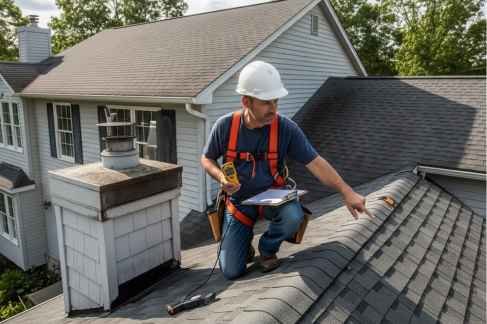
- Monitoring roof and flashing details for water intrusion
- Addressing insect or fungal concerns proactively
With proper care, timber homes can endure for generations — far beyond typical stick-framed structures.
Final Thoughts
Custom timber structures for homes are more than construction projects — they are personalized expressions of architectural dreams. From open, soaring spaces to energy-efficient envelopes crafted with precision joinery, timber frame homes blend beauty, performance, and durability. For homeowners seeking lasting value, sustainable design, and unmatched character, residential timber frame projects deliver a compelling package.
If you’re considering building a custom timber frame home, partnering with experienced architects and builders ensures your vision comes to life on time, on budget, and with the structural integrity only seasoned timber professionals can provide.