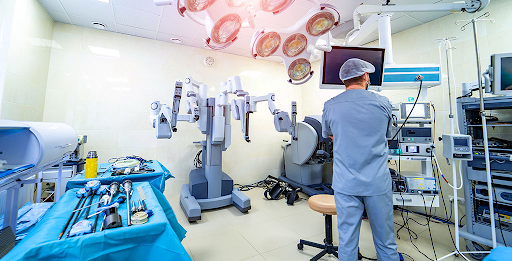
Heart surgery has evolved dramatically over the past decades. Traditional open-heart procedures, while effective, often involve extended recovery periods, significant pain, and higher risks of complications. Today, Minimally Invasive Robotic Cardiac Surgery offers patients precise surgical intervention with reduced trauma, faster healing, and improved outcomes. These advanced techniques rely on robotics, high-definition imaging, and precise instrumentation to navigate complex cardiac anatomy safely. Surgeons can perform intricate repairs or replacements with smaller incisions, preserving tissue integrity and enhancing recovery. For patients facing heart disease or structural defects, these innovations provide life-changing benefits, combining clinical efficacy with patient comfort.
Introduction to Modern Heart Surgery Techniques
Cardiac conditions such as valve disorders, coronary artery disease, and congenital defects require specialized surgical care. With advancements in medical technology, surgeons now have access to tools that make interventions safer and more efficient. Modern heart surgery emphasizes precision, minimal invasiveness, and enhanced patient outcomes.
Innovations in robotics, imaging, and instrumentation allow surgeons to perform complex procedures without large incisions. The primary goal is to restore heart function while minimizing physical trauma and recovery time. By leveraging these technologies, surgical teams can reduce postoperative complications, hospital stays, and rehabilitation periods, improving both the short- and long-term quality of life for patients. These methods are especially valuable for older adults or patients with comorbidities who may not tolerate traditional open-heart surgery.
Benefits of Minimally Invasive Robotic Cardiac Surgery
- Smaller Incisions, Reduced Trauma
Robotic cardiac surgery uses tiny access points instead of large chest openings, minimizing tissue damage. This approach reduces bleeding, lowers infection risk, and improves cosmetic outcomes. Patients often experience less postoperative pain, enabling faster mobilization and reduced dependency on pain medication. Surgical precision is maintained through robotic instruments that replicate the surgeon’s hand movements at a microscopic level, ensuring complex repairs are done safely. - Enhanced Precision and Control
Robotic systems provide high-definition 3D visualization and articulating instruments, allowing surgeons to access hard-to-reach areas with unparalleled accuracy. Complex valve repairs, atrial septal defect closures, and coronary reconstructions are performed with minimal disruption to surrounding tissue. The enhanced dexterity offered by robotic arms improves outcomes in delicate procedures that were previously difficult or high-risk in conventional surgery. - Faster Recovery and Shorter Hospital Stays
Minimally invasive procedures reduce postoperative complications and accelerate recovery. Patients can often return to normal activities within weeks rather than months. Reduced trauma to the chest wall and muscles contributes to less pain, lower infection risk, and improved overall satisfaction. Shorter hospital stays also decrease medical costs and minimize exposure to hospital-associated infections, supporting both patient well-being and healthcare efficiency. - Improved Cardiopulmonary Outcomes
By avoiding large incisions and sternotomy, minimally invasive cardiac surgery preserves chest integrity, leading to better respiratory function after surgery. Patients maintain stronger lung capacity, experience less postoperative fatigue, and are better able to engage in early rehabilitation exercises. These outcomes support quicker functional recovery, reduce complications like pneumonia, and contribute to overall cardiovascular health. - Suitability for High-Risk Patients
Older adults, patients with diabetes, or individuals with compromised immune systems benefit from minimally invasive approaches. Reduced surgical stress and lower anesthesia requirements make these procedures safer for vulnerable populations. Surgeons can tailor robotic techniques to individual patient needs, balancing surgical effectiveness with minimized physiological impact.
Intermediate Cardiac Surgical Techniques.
Modern cardiac surgery doesn’t rely solely on robotics. Surgeons often integrate minimal invasive surgery approaches to further reduce trauma, accelerate recovery, and maintain surgical precision. By combining small incisions, endoscopic visualization, and specialized instruments, surgeons can perform procedures that previously required full sternotomy with less disruption to surrounding tissue.
Minimal Invasive Surgery Advantages
- Reduced Surgical Trauma
By using minimal invasive surgery techniques, surgeons avoid large chest openings, decreasing tissue injury and postoperative pain. Smaller incisions reduce bleeding and lower the risk of infection, which also accelerates healing. Patients can return to normal activities sooner while experiencing less discomfort. - High Precision and Access
Minimal invasive surgery allows access to complex cardiac structures with precision. Surgeons utilize specialized tools to navigate delicate heart and vessel anatomy, performing repairs or reconstructions effectively without causing collateral tissue damage. - Shorter Recovery and Hospital Stay
Procedures performed through minimal invasive surgery result in quicker mobilization, reduced ICU time, and shorter hospital stays. Patients regain strength faster and are less dependent on analgesics, improving overall satisfaction and quality of life. - Lower Complication Rates
Minimally invasive approaches significantly reduce risks associated with traditional open-heart surgery, such as sternum infections, respiratory complications, and extended immobilization. This makes surgery safer, especially for older adults or high-risk patients. - Integration with Robotic Assistance
Minimal invasive surgery works synergistically with robotic systems, combining reduced incision trauma with high-definition imaging and enhanced dexterity. This combination maximizes precision, safety, and overall procedural success.
Coronary Artery Bypass and Complex Interventions
CABG bypass surgery remains a cornerstone procedure for treating significant coronary artery blockages. Modern surgical approaches integrate both traditional and minimally invasive methods to improve efficacy and recovery.
CABG Bypass Surgery Insights
- Restoring Blood Flow to the Heart
CABG involves grafting healthy vessels to bypass blocked coronary arteries, restoring oxygen-rich blood to the heart muscle. This reduces symptoms like angina and prevents myocardial infarction. Modern techniques improve graft longevity and success rates. - Minimally Invasive CABG Options
Surgeons increasingly perform CABG via small incisions or robotic assistance, avoiding full sternotomy. These approaches decrease surgical trauma, reduce recovery time, and improve cosmetic outcomes, making bypass surgery safer and more acceptable for patients. - Enhanced Graft Patency and Survival Rates
Advanced surgical planning and precise anastomosis techniques enhance graft function and long-term durability. Using arterial grafts and optimizing flow dynamics ensures sustained heart performance and patient survival.
Conclusion
Advanced surgical techniques are transforming care for patients with cardiac, thoracic, and vascular conditions. From Minimally Invasive Robotic Cardiac Surgery in the introduction, to minimal invasive surgery in the middle, and ending with CABG bypass surgery, these innovations enable precise, safer, and faster recovery for individuals with heart disease.
For patients seeking expert and compassionate care, Doctor Udeagath Dhir offers comprehensive surgical services focused on advanced techniques, patient safety, and personalized treatment. Their team supports patients through preoperative planning, surgery, and structured recovery programs, ensuring the best outcomes while maintaining comfort and quality of care. Explore their services for modern cardiac and thoracic solutions tailored to your needs.