Selecting the right firearm holster is an essential step for anyone looking to carry a handgun safely, comfortably, and efficiently. A holster not only secures your weapon but also enhances accessibility, comfort, and overall safety. With so many options available, from inside-the-waistband designs to tactical shoulder holsters, knowing how to choose the perfect fit can make a significant difference in your everyday carry experience.
Understanding the Importance of a Proper Holster
A quality firearm holster ensures that your gun remains secure while allowing for quick and smooth access when needed. An ill-fitting holster can compromise safety, making accidental discharges or loss of control more likely. Moreover, a well-fitted holster distributes the weight of your firearm evenly, preventing discomfort during extended wear.
Holsters come in various styles, including open-top designs, retention holsters, and those with active or passive locking mechanisms. Each type serves a specific purpose, whether for concealed carry, tactical operations, or competitive shooting. Understanding your intended use is the first step toward finding a holster that meets both safety and performance requirements.
Key Considerations When Choosing a Firearm Holster
1. Retention and Security
Retention is a critical feature in any holster. It refers to how securely the firearm is held in place. Holsters may use passive retention, where the shape of the holster holds the gun, or active retention, which involves mechanical locks. Passive retention is often preferred for everyday concealed carry due to its simplicity, while active retention may be favored in tactical or law enforcement applications.
2. Comfort and Wearability
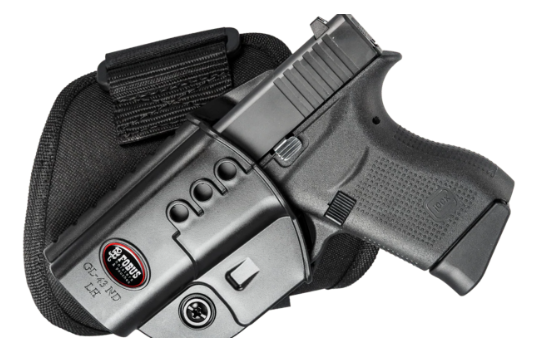
Comfort is essential, especially if you carry your firearm for extended periods. Inside-the-waistband (IWB) holsters, such as the holster IWB series, offer a discreet and comfortable option for concealed carry. These holsters sit inside the waistband, reducing printing and allowing for natural movement. Proper fit, adjustable clips, and quality materials all contribute to a comfortable carrying experience.
3. Material and Construction
Holsters are made from materials like Kydex, leather, and polymer composites. Kydex offers rigidity, consistent retention, and easy maintenance. Leather provides classic aesthetics and moldable comfort but may require more care. High-quality construction ensures durability and long-term reliability, making material choice a critical factor in your decision.
4. Accessibility and Draw Speed
A holster must allow for smooth, quick draws without compromising safety. Whether using an IWB or OWB (outside-the-waistband) style, your firearm should release easily while remaining secure during daily activities. Adjustable cant angles and ride heights can help customize draw speed and accessibility to your preference.
5. Purpose and Lifestyle
Your lifestyle influences the type of holster you need. Concealed carriers benefit from low-profile IWB holsters, while tactical professionals may prefer multi-position OWB or shoulder holsters. Understanding your specific needs ensures you select a holster that complements your activities without limiting functionality.
Popular Styles and Their Uses
- IWB Holsters: Ideal for concealed carry, offering discretion and comfort. The firearm is positioned inside the waistband, reducing printing while keeping the weapon accessible.
- OWB Holsters: Suitable for open carry or range use, these holsters provide fast draw capability and can be worn on the belt outside the clothing.
- Appendix Carry: Often used with IWB holsters, placing the firearm in front of the hip for quick access.
- Shoulder Holsters: Useful for under-jacket carry, providing alternative positioning for long guns or larger handguns.
Tips for Proper Fit and Adjustment
- Test Multiple Holsters: Trying different styles and models helps determine the best fit for your firearm and body type.
- Adjust Ride Height and Cant: Personalize your holster’s position for comfort and accessibility.
- Check Retention: Ensure the gun is secure but can be drawn smoothly.
- Consider Clothing: Your daily attire affects holster choice, especially for concealed carry.
Maintenance and Safety
Regularly inspect your firearm holster for wear, loose screws, or material degradation. Clean your holster as recommended for its specific material. Proper maintenance ensures continued safety, reliability, and comfort. Additionally, always practice safe drawing techniques and firearm handling to prevent accidents.
Conclusion
Choosing the right firearm holster is crucial for both safety and convenience. Considering factors like retention, comfort, material, and accessibility helps you find a holster that fits your lifestyle and firearm perfectly. Options like holster IWB provide excellent concealment and comfort for daily carry, while OWB and tactical styles cater to professional and recreational needs. By investing time in selecting the ideal holster and maintaining it properly, you ensure a safer, more efficient, and more enjoyable firearm carrying experience.