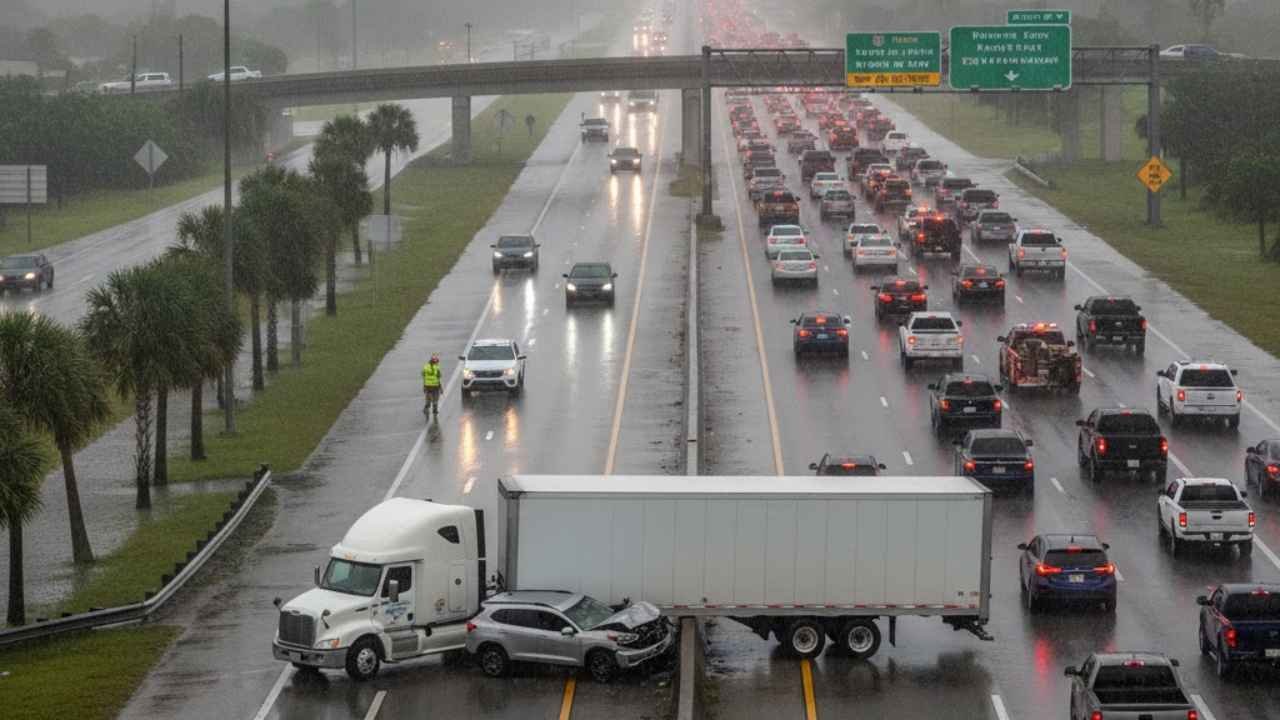
Florida’s highways are bustling with traffic year-round, from tourists heading to the beach to local commuters. While the state offers scenic roadways, some of these highways are more prone to accidents than others. Understanding why certain highways are hazardous is crucial for anyone travelling through Florida.
This blog breaks down why these highways see more accidents and what you can do to avoid them.
1. Road Design Plays a Key Role in Accidents
Florida’s highways, especially older ones, were designed years ago when traffic patterns and vehicle designs were much different. Many highways in the state still feature outdated infrastructure, including narrow lanes, sharp turns, and inadequate signage. These factors make driving on these roads more hazardous.
Design Issues That Contribute to Accidents:
- Narrow lanes make it harder to navigate in traffic.
- Curvy or hilly sections that challenge even experienced drivers.
- Inadequate signage, especially near exits and interchanges.
Interstates like I-95, which runs along Florida’s east coast, are classic examples of highways that are considered some of the most dangerous highways in Florida due to these design flaws.
2. Traffic Congestion Increases Risk
Florida’s highways are among the busiest in the nation. Highways such as I-75 and I-95 frequently experience heavy traffic, particularly in areas like Miami, Orlando, and Tampa. With more vehicles on the road, the chances of accidents increase.
Factors Contributing to Traffic Accidents:
- Frequent congestion, especially during rush hours or tourist season.
- Mixing of local drivers with out-of-state tourists unfamiliar with the area.
- High truck traffic, especially on long stretches of I-75 and I-95.
Heavy traffic makes it difficult for drivers to react quickly to sudden changes in road conditions, leading to a higher likelihood of accidents.
3. Complex Intersections and Exits
Many highways in Florida feature confusing or poorly designed interchanges that increase the risk of collisions. Drivers who are unfamiliar with the area may miss an exit or fail to navigate a turn correctly. These issues are particularly hazardous for trucks that struggle to manoeuvre in tight spaces.
Dangers of Poorly Designed Intersections:
- Confusing road layouts with inadequate signage.
- Short acceleration lanes that make merging difficult.
- Tight spaces that are hard for large vehicles to navigate.
4. Unpredictable Weather Conditions
Florida’s weather can be a challenge for drivers, as rain, thunderstorms, and high winds are frequent occurrences. These conditions can make roads slippery and reduce visibility, which in turn increases the chances of accidents. Even when the weather is clear, intense sun glare can create hazardous driving conditions.
Weather Hazards That Increase Accident Risk:
- Heavy rain causes hydroplaning and slippery roads.
- Poor visibility during storms, fog, or dusk.
- Sun glare, especially in the morning and evening hours.
5. Speeding and Aggressive Driving
Speeding is a common factor in accidents on Florida highways. Drivers often speed when traffic is light; however, when combined with other factors, such as poor weather or congestion, high speeds can lead to serious crashes.
Additionally, aggressive driving behaviours, such as tailgating and lane weaving, increase the risk.
How Speeding Contributes to Accidents:
- Reduced reaction time in case of emergencies.
- Greater difficulty stopping quickly, especially in wet or slippery conditions.
- Increased severity of crashes due to high-speed collisions.
6. Truck Accidents Are a Growing Concern
With a large amount of commercial truck traffic on highways, truck accidents have become a significant concern. Trucks are heavier and take longer to come to a stop, making accidents involving them more severe.
Risks Posed by Truck Traffic:
- Trucks have slower reaction times due to their weight and size.
- Limited visibility for smaller vehicles when trucks are involved.
- Truck driver fatigue contributes to accidents on long routes.
Accidents involving trucks are often devastating and occur more frequently on heavily trafficked highways that are heavily used by commercial vehicles, making these highways some of the most hazardous in Florida.
Conclusion
Certain highways in Florida, such as I-95, I-75, and US 1, are more prone to accidents due to road design, heavy traffic, adverse weather conditions, and truck congestion. By staying informed and following safety guidelines, you can reduce your risk of accidents. Stay alert and drive safely when navigating these high-risk roads.