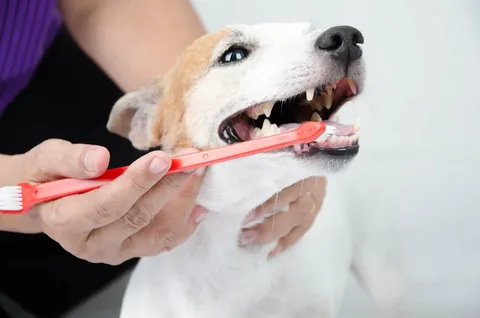
As they are the valued dogs of these people require timely dental care to maintain their overall health and well-being. Dental hygiene is an essential pet health that pet owners ignore and prefer wholesome food, scheduled exercise, and routine vaccinations instead. Daily brushing at home is the foundation of the right dental care, but professional cleaning of teeth for a pet is required for the prevention of serious issues. Going to places that are difficult to reach with a regular toothbrush, this process is more than what they can do at home. Being responsible pet owners, they can influence the life and quality of life of our furry companions very significantly by understanding the importance of complete dental care for pets.
Advantages of Frequent Cleaning by Professionals
Frequent professional pets teeth cleaning has several advantages beyond just improving breath. Seeing that the vast majority of adult pets are affected by periodontal disease, the prevention and maintenance of this disease presents itself as the most evident benefit. Expert cleaning ensures that the structural integrity of the teeth is maintained, and the inflammation that leads to loss of teeth is prevented because it removes the bacteria and accrued tartar.
Healthy pets will be able to eat even more comfortably, and without pain, and this will only improve their nutrition and create better conditions for their life in general. Without feeling any toothache, they are likely to interact with relatives, play with toys, and enjoy the routine activities. Following dental treatment, a lot of pet owners describe observable behavioral changes in their animals, many recognizing in hindsight the profound discomfort their animals had been going through.
The main way that routine dental care can prolong your pet’s life is by avoiding systemic infections that could harm key organs. Dental care is an investment in your pet’s longevity because it is widely known that heart, kidney, and liver function are all correlated with mouth health.
Unknown Hazards of Pets’ Bad Dental Condition
Our pets may have invisible dental problems behind those smiles. By the time they are three years old, most pets have dental problems. This condition tends to present quietly, meaning that it can easily go to a severe state before presenting itself. Regardless of being a first sign that something is wrong, bad breath is sometimes passed off as normal “pet breath”. This unpleasant odor is an indicator that your pet has some bacteria that are actively damaging his teeth and gums.
The plaque depositing on the teeth ends up becoming tartar and forming a rough surface where more bacteria can congregate. This results in gingivitis, an inflammation of the gums that manifests as redness around the gum line.If there is no treatment, this leads to periodontal disease that leads to pain, tooth loss, as well as the risk of affecting the vital organs since the bloodstream will be tainted. When there are problems with poor pets’ oral health, it is associated with problems of the liver, kidneys, and heart, which means that dental care is not only about having a nice grin.
Signs Your Pet Needs Professional Dental Care
There are several indicators that your pet needs dental care sooner rather than later, even if routine preventive cleaning is preferable. Having persistent foul breath is the most common sign of dental issues. Additional red or bleeding gums, yellowing or brown teeth, obvious tartar accumulation, and dietary changes such as dropping food, chewing on one side, or avoiding hard meals are all warning signals
Changes in behavior may also indicate tooth discomfort. Your once playful pet may start to lose their temper or stop participating in things it used to like. It is necessary to visit a veterinary specialist in case one or more of the above symptoms appear to determine whether your pet has dental issues.
Keep in mind that pets are masters of hiding pain; a technique that helps wild animals, but makes it difficult for us to notice a problem with our domesticated pals. The tooth condition is frequently much worse by the time they exhibit overt symptoms of discomfort.
Creating a Wholesome Dental Care Program
Consistent home care combined with routine professional intervention is the most effective way to maintain the dental health of pets. The cornerstone of at-home care is brushing your teeth daily with products designed specifically for pets. While brushing should not be completely replaced, dental wipes, water additives, and specially made sweets can help.
Professional pet teeth cleaning handles the tartar that invariably accumulates despite our best efforts, while at-home care helps minimize plaque. The frequency of professional cleaning, depending on the exact needs of your pet, will be different. For some pets, cleanings may be done on a regular basis, whereas others may require cleaning yearly. The length of such a period is dependent on various factors, namely age, breed, inherited susceptibility to oral disease, and effectiveness of home care.
Your pet will get the proper care during its life if you collaborate with your vet to create a custom dental plan. Your pets dental health can be monitored, and expert intervention can be identified with routine oral inspections during wellness appointments.
Resolving Apprehensions Regarding Expert Cleaning
Since professional pet dental cleaning is often accompanied by the use of anesthesia, thorough cleaning is not always appealing to pet owners. In modern veterinary medicine, anesthetics’ safety significantly improved pre-procedure screening, individual regimens, and advanced monitoring significantly reduced hazards. Pet doctors can recommend changes to make it safer for pets with medical issues that pose greater risks to the use of anesthetics.
Professional cleaning almost usually has more advantages than disadvantages, especially when weighed against the risks of infection, chronic pain, and systemic disease brought on by untreated dental issues. Making an educated choice regarding your pet’s dental care might be facilitated by talking with your veterinarian about certain issues.
Conclusion:
A vital part of general wellness, pets’ dental health merits our consideration and care. Daily housekeeping helps reduce plaque and slow the advancement of the disease, but professional pets teeth cleaning offers the comprehensive care required to fix current issues and avoid more problems. They provide the best opportunity for our pets to enjoy pleasant, healthy lives by combining regular professional intervention with continuous home care.
Remember that it is they who need to make wise decisions for our pets’ health, dental treatment that they can not get on their own. Not only is the animal’s dental state improved, but the creature’s comfort, long life, and overall health are improved. All the pains are compensated by your fluffy friend’s affectionate kisses, playful attitude, and bright eyes.